Zelensky says Russia used North Korean missiles in deadly Zaporizhzhia strike
Ukrainian President Volodymyr Zelensky stated that Russia used North Korean missiles in a deadly strike in Zaporizhzhia, warning that Moscow is preparing for escalation.
Zelensky says Russia used North Korean missiles in deadly Zaporizhzhia strike
EXECUTIVE BRIEFKey Takeaways & Signal
Core Development: Ukrainian President Volodymyr Zelensky stated that Russia used North Korean missiles in a deadly strike in Zaporizhzhia, warning that Moscow is preparing for escalation.
Beat Context: Categorized under World with independent corroboration.
Zelensky says Russia used North Korean missiles in deadly Zaporizhzhia strike, urging stronger Western response
Ukrainian President Volodymyr Zelensky said that Russia used North Korean ballistic missiles in overnight attacks that killed at least nine people across Ukraine, according to reports published on Tuesday. The southeastern city of Zaporizhzhia sustained the heaviest toll in the barrage, where officials reported six civilians killed and 19 injured.
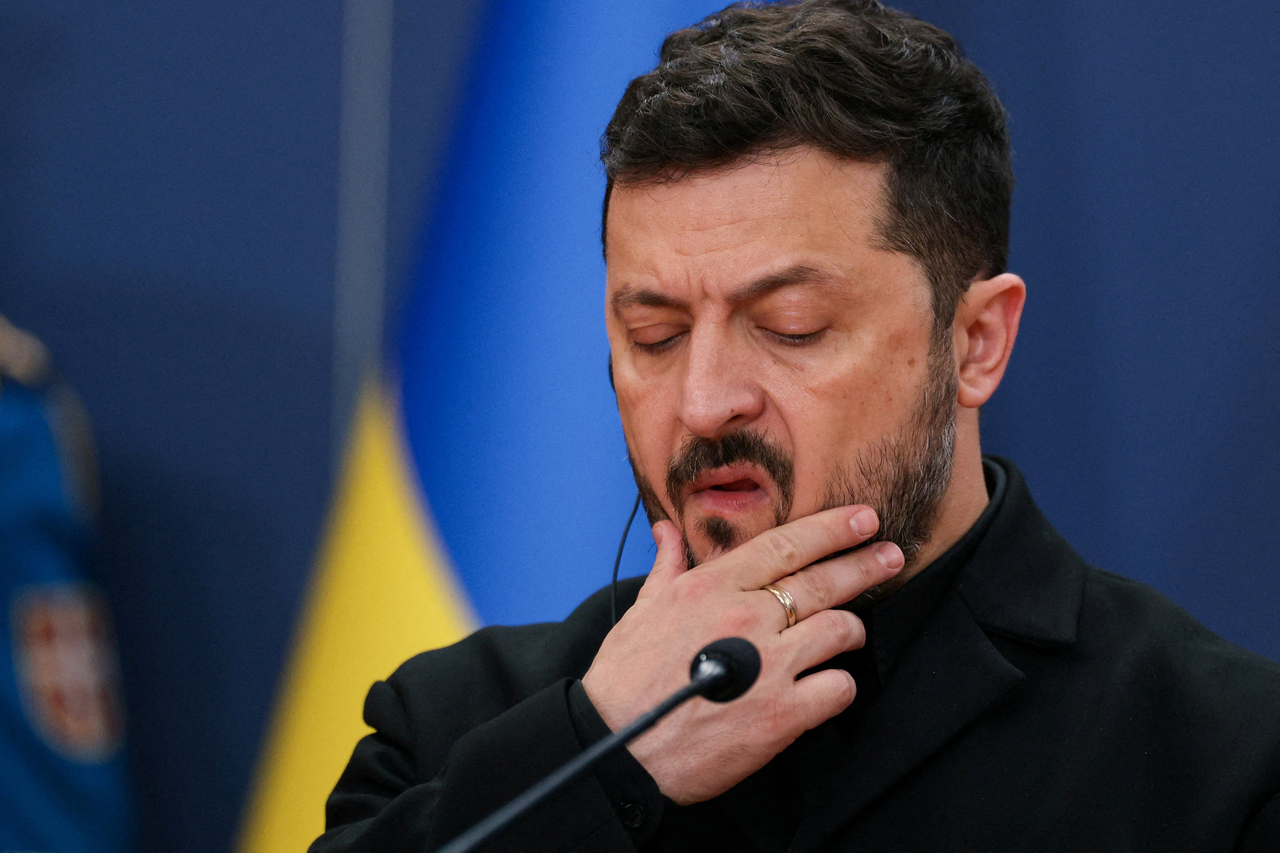
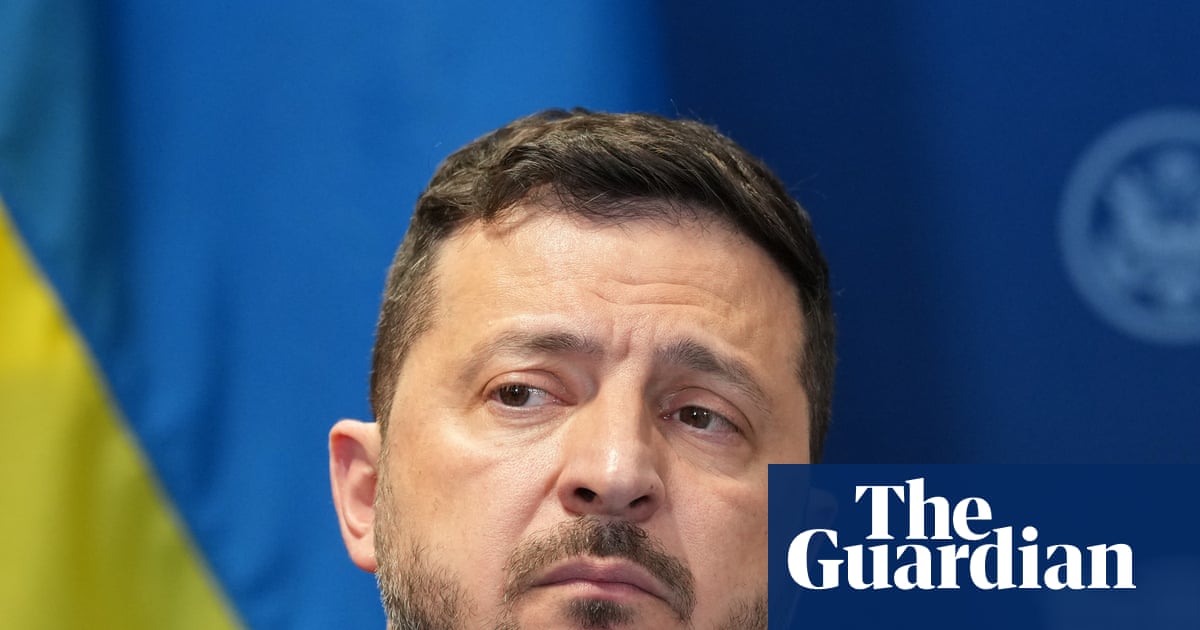
"The city was struck with North Korean ballistic missiles, Zircons, and guided aerial bombs. It was a vicious attack, calculated to inflict maximum damage specifically on civilian infrastructure."
Media additions
Image via kyivpost.comImage via yahoo.comImage via biz.heraldcorp.com
Volodymyr Zelensky, President of Ukraine, via Kyiv Post
Additional casualties were reported elsewhere in the country. Six more people died overnight in the Ukrainian regions of Dnipropetrovsk and Donetsk, while other regional tallies noted three deaths specifically in Dnipropetrovsk alongside dozens wounded by the widespread explosions. Ukraine has not publicly provided physical evidence to substantiate the claim that North Korean missiles were utilized in the assault. Russia did not immediately comment on whether North Korean weaponry was deployed in the strike, and Pyongyang offered no statement.
Wider infrastructure damage and cross-border drone campaigns
The overnight bombardment struck multiple regions beyond Zaporizhzhia. In Kyiv, an infectious-disease hospital sustained damage and left one person wounded during the capital's fires. The Russian defence ministry stated that its forces struck a Nova Poshta sorting complex in Kyiv utilized for storing and distributing dual-use goods, including components for drones and electronic warfare equipment. Russian forces also targeted a metallurgical plant in Zaporizhzhia producing flat-rolled steel for the military, alongside power substations in Kherson and Kharkiv that triggered temporary blackouts.
The escalation followed a Ukrainian drone strike on the Russian city of Nizhnekamsk that Russian authorities reported had killed 13 people and wounded 39. Additional Ukrainian long-range drone operations targeted an oil refinery in the Russian city of Orsk and caused fires at a Wildberries e-commerce logistics site in Russia’s Voronezh region.
North Korean missile units and troop deployments
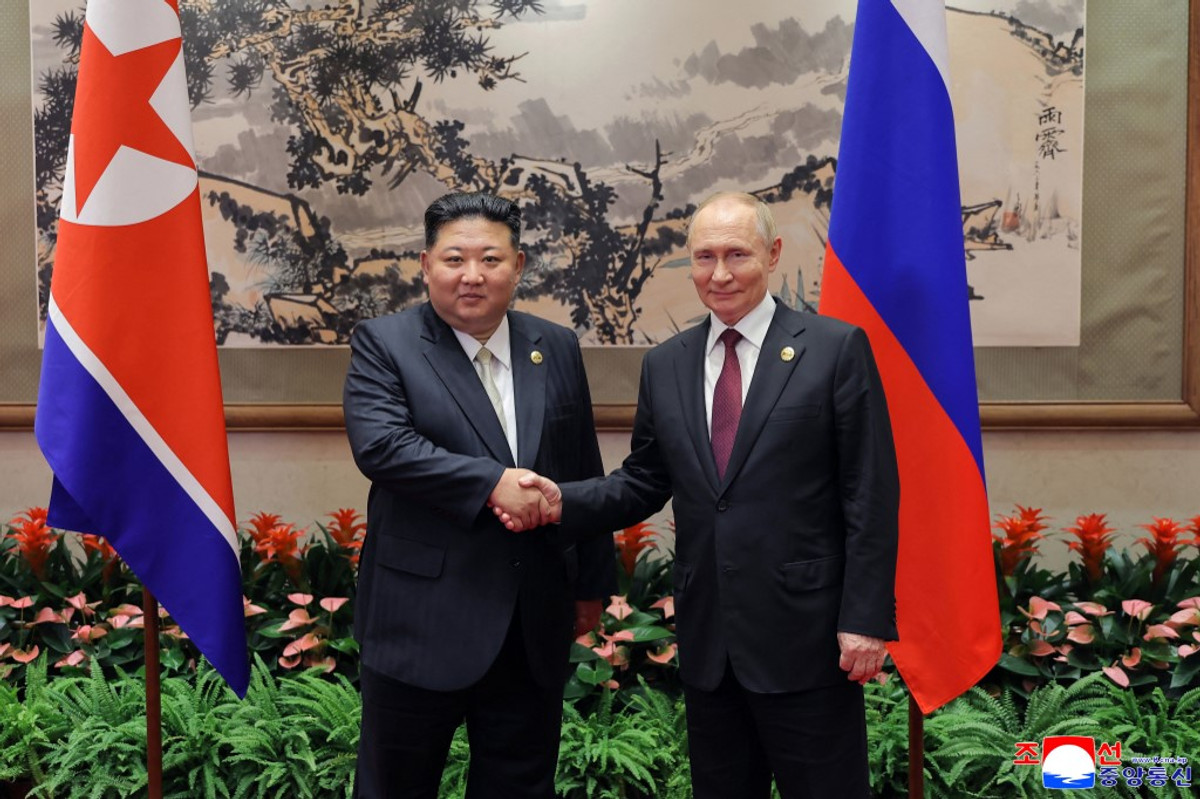
Ukraine’s Main Intelligence Directorate (GUR) reported that a North Korean missile unit has begun deploying to Russia’s western Voronezh region, located approximately 600 kilometres from Zaporizhzhia. This unit currently consists of about 90 personnel equipped with 40 missiles—including KN-23 and KN-24 variants—alongside their operators. Ukrainian authorities estimate the formation could eventually receive up to 120 ballistic missiles and six launchers.
Zelensky previously warned that Russia had received additional ballistic missiles from North Korea. Over the weekend, the Ukrainian president stated via Telegram and X that a decision had been made for 30,000 to 50,000 North Korean troops to be deployed to Russian territory to provide Pyongyang with valuable battlefield experience. Kyiv has not outlined a timeframe or explained how it obtained those deployment figures, and South Korea has not officially confirmed the reported troop numbers.
According to Ukrainian and independent assessments, military cooperation between Moscow and Pyongyang has expanded significantly since the two nations signed a comprehensive strategic partnership treaty with mutual defense provisions in June 2024. North Korea previously sent an estimated 14,000 soldiers to Russia's Kursk region following a Ukrainian incursion, alongside millions of artillery and mortar rounds, ballistic missiles, long-range artillery, and multiple-launch rocket systems.
International diplomatic reactions
South Korea’s foreign ministry strongly condemned the growing military partnership between Russia and North Korea while reiterating its refusal to supply lethal weapons to Ukraine. A senior South Korean foreign ministry official told The Korea Times that Seoul’s defense exports remain bound by domestic law, meaning Kyiv's requests for air defense systems have not triggered a policy shift.
"South Korea’s supply of defense materials to any country has always been carried out in accordance with domestic law."
Senior South Korean foreign ministry official, via The Korea Times
The South Korean official added that bilateral military cooperation between Moscow and Pyongyang directly relates to South Korean security, violates United Nations resolutions, and should stop immediately.
Chronology of key developments
Date
Event
Late 2023
Initial recorded Russian strikes using North Korean ballistic missiles, including KN-23 and KN-24 variants, against Ukraine.
June 2024
Russia and North Korea sign a comprehensive strategic partnership treaty incorporating mutual defense provisions.
August 2024
North Korea deploys an estimated 14,000 soldiers to Russia's Kursk region following Ukrainian incursions.
July 30, 2025
Zelensky states that Russia struck Ukraine with North Korean missiles for the first time in roughly a year.
Tuesday, 11 August
Deadly overnight strikes hit Zaporizhzhia and other regions, with Zelensky asserting that North Korean ballistic missiles were used.
What happens next
Ukraine continues its diplomatic outreach and appeals to international allies for additional air-defense systems, specifically Patriot-type interceptors, to counter hard-to-intercept ballistic missiles.
South Korean authorities monitor the expanding military ties between Moscow and Pyongyang while managing diplomatic discussions regarding humanitarian assistance and domestic export restrictions.
Ukrainian long-range drone units maintain operations targeting Russian energy infrastructure, logistics hubs, and supply chains.
READER INTELLIGENCE PULSE
How significant is this development?
Contribute your assessment to the aggregated reader sentiment ledger.
Click an option to register your anonymous assessment.
Frequently Asked Questions
Key questions answered in this report
What is the key development in: Zelensky says Russia used North Korean missiles in deadly Zaporizhzhia strike?
Ukrainian President Volodymyr Zelensky stated that Russia used North Korean missiles in a deadly strike in Zaporizhzhia, warning that Moscow is preparing for escalation.
Why is this World development significant for the UK?
This report covers critical events in our World beat. Independent reporting monitors related UK statements, regulatory shifts, and public responses as further verified details emerge.
How was this reporting corroborated and verified?
Newsarchy UK compiles and cross-references reporting from primary reporting from kyivpost.com and cross-checked wire reports. All coverage adheres to published editorial standards.
When was this report published?
This briefing was published on August 11, 2026 and is permanently cataloged in the Newsarchy UK World archives.