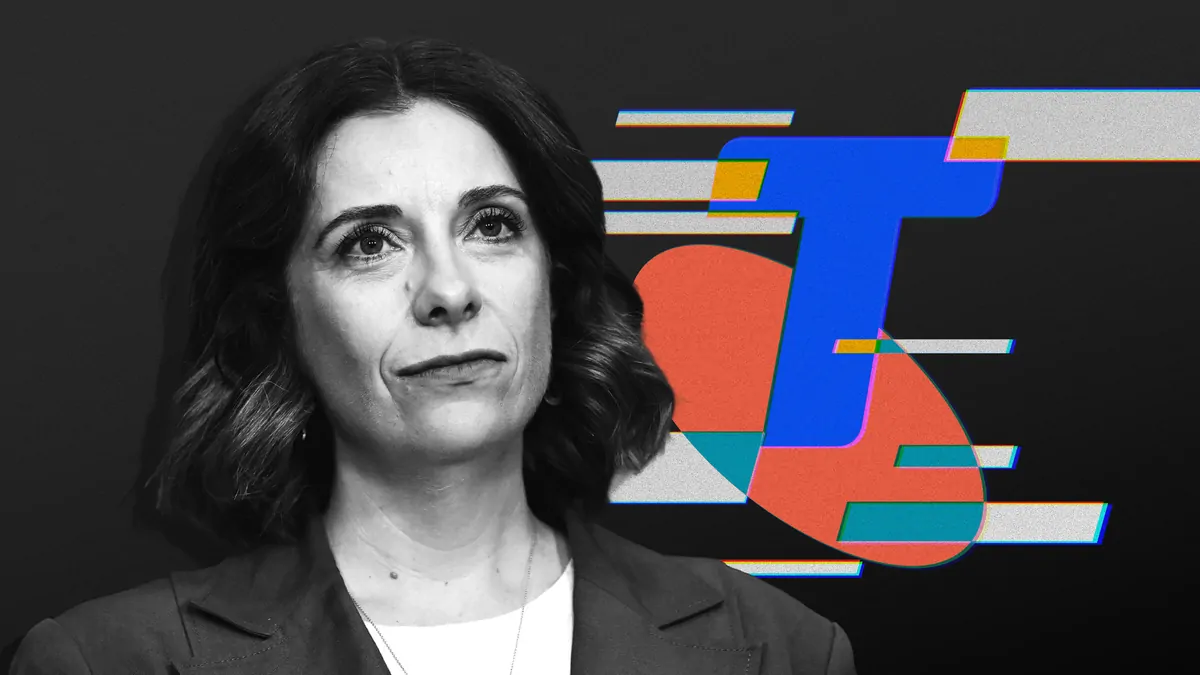
Anika Wells tells Telstra to face the music after nationwide outage
Minister Wells has ordered a formal review into Telstra's network failure, warning the telco that it must work to rebuild trust with its customers.
- Core Development: Minister Wells has ordered a formal review into Telstra's network failure, warning the telco that it must work to rebuild trust with its customers.
- Beat Context: Categorized under Business with independent corroboration.
- Reporting Depth: 3 minute analytical read synthesized from verified newsroom sources.
The outage, which began on 5 July, was traced by Telstra to an “unexpected software defect” in its network‑timing synchronisation systems. Within days the telco’s chief executive, Vicki Brady, issued a public apology, describing the incident as “unacceptable” and acknowledging that “we’ve got a job to do to make sure we rebuild that trust with our customers”.
Wells immediately framed the episode as a breach of the “special trust from Australians” that Telstra enjoys. She warned that “that trust really stands in peril today” and said the company now faces “a lot of questions to answer”. The minister also said she had been advised by the triple‑zero (000) custodian that there were “no adverse outcomes” from the outage, but highlighted a tragic case in South Australia that required separate investigation.
South Australian case and police ruling
In the week following the outage, reports emerged that an elderly South Australian woman may have died after a missed 000 call. Police initially pursued the claim, even resorting to door‑knocking a state senator to obtain information. Wells said she was “staggered” that such a step was needed. After reviewing the evidence, South Australian police announced they had found “no record” of a failed 000 call from the phone numbers supplied by the family and confirmed that no active outage was affecting the area at the time. The police concluded there was “no causative link between the outage and what is a tragic loss for the family”.
Wells described the ruling as a “huge relief” and offered her condolences to the family. She added that the government had been told by the triple‑zero custodian that there were no adverse outcomes from the outage, reinforcing the police conclusion.
Telstra’s operational response
Chief financial officer Michael Ackland told reporters that Telstra’s backup systems “remain in place” and that “everything is back to normal”, though a “small cohort of enterprise customers still experience flow‑on impacts”. Ackland underscored that welfare checks, which had been triggered for seven people who required emergency assistance during the outage, were now complete with “no adverse outcomes”. He repeated that the company had found “no record” of any 000 calls from the numbers provided by police, reinforcing the law‑enforcement finding.
Brady, meanwhile, declined to comment on rumours that Telstra had been warned about network‑timing vulnerabilities before the incident. She noted that the telco “regularly works with researchers, universities and industry experts to strengthen its network” and that the timing synchronisation systems are “well‑known to be critical to a mobile network”. On the suggestion that recent job cuts might have contributed to the failure, Brady said there was “no indication” that restructuring played a role.
When pressed about potential compensation for affected customers, Brady again pointed to the apology and the company’s focus on restoring services and rebuilding trust, rather than on monetary redress.
Government and regulator actions
Wells announced that Telstra would be required to submit a detailed report within 45 days outlining the cause of the outage and the steps it would take to prevent recurrence. She said upcoming reviews by the Australian Communications and Media Authority (ACMA) and the triple‑zero custodian would “examine what happened and whether the outage could have been prevented”.
In addition to the technical investigation, Wells urged the Coalition to back legislation that would give the government new powers to mandate minimum telecommunications standards. She warned that without stronger regulatory tools “the trust with Australians is at risk”. She also pledged that the government would “not take a backward step” when it comes to holding telecommunications companies to account.
Political and public reaction
Industry analysts
What to watch next
How significant is this development?
Contribute your assessment to the aggregated reader sentiment ledger.
Frequently Asked Questions
Key questions answered in this reportWhat is the key development in: Anika Wells tells Telstra to face the music after nationwide outage?
Minister Wells has ordered a formal review into Telstra's network failure, warning the telco that it must work to rebuild trust with its customers.
Why is this Business development significant for the UK?
This report covers critical events in our Business beat. Independent reporting monitors related UK statements, regulatory shifts, and public responses as further verified details emerge.
How was this reporting corroborated and verified?
Newsarchy UK compiles and cross-references reporting from primary reporting from thenightly.com.au and cross-checked wire reports. All coverage adheres to published editorial standards.
When was this report published?
This briefing was published on July 10, 2026 and is permanently cataloged in the Newsarchy UK Business archives.