Asian shares mixed as US sanctions Iran see oil prices fall
Asian shares were mixed as U.S. sanctions on Iran caused oil prices to fall, while European indices rose modestly.

- Core Development: Asian shares were mixed as U.S. sanctions on Iran caused oil prices to fall, while European indices rose modestly.
- Beat Context: Categorized under Business with independent corroboration.
- Reporting Depth: 3 minute analytical read synthesized from verified newsroom sources.
On Tuesday, markets across Europe and Asia rose modestly amid a backdrop of fresh U.S. Sanctions on Iran that sent oil prices sliding. Treasury Secretary Scott Bessent warned that nations continuing to trade with the Islamic Republic would face retaliation, a statement that rattled energy markets and prompted a 2 % drop in Brent crude to $88.74 a barrel and a 2.2 % fall in U.S. Benchmark WTI to $83.14. The sanctions also pushed the Iranian rial to a record low against the U.S. Dollar, adding pressure to a market already cautious after last month’s volatile Brent swings between $72 and $102.
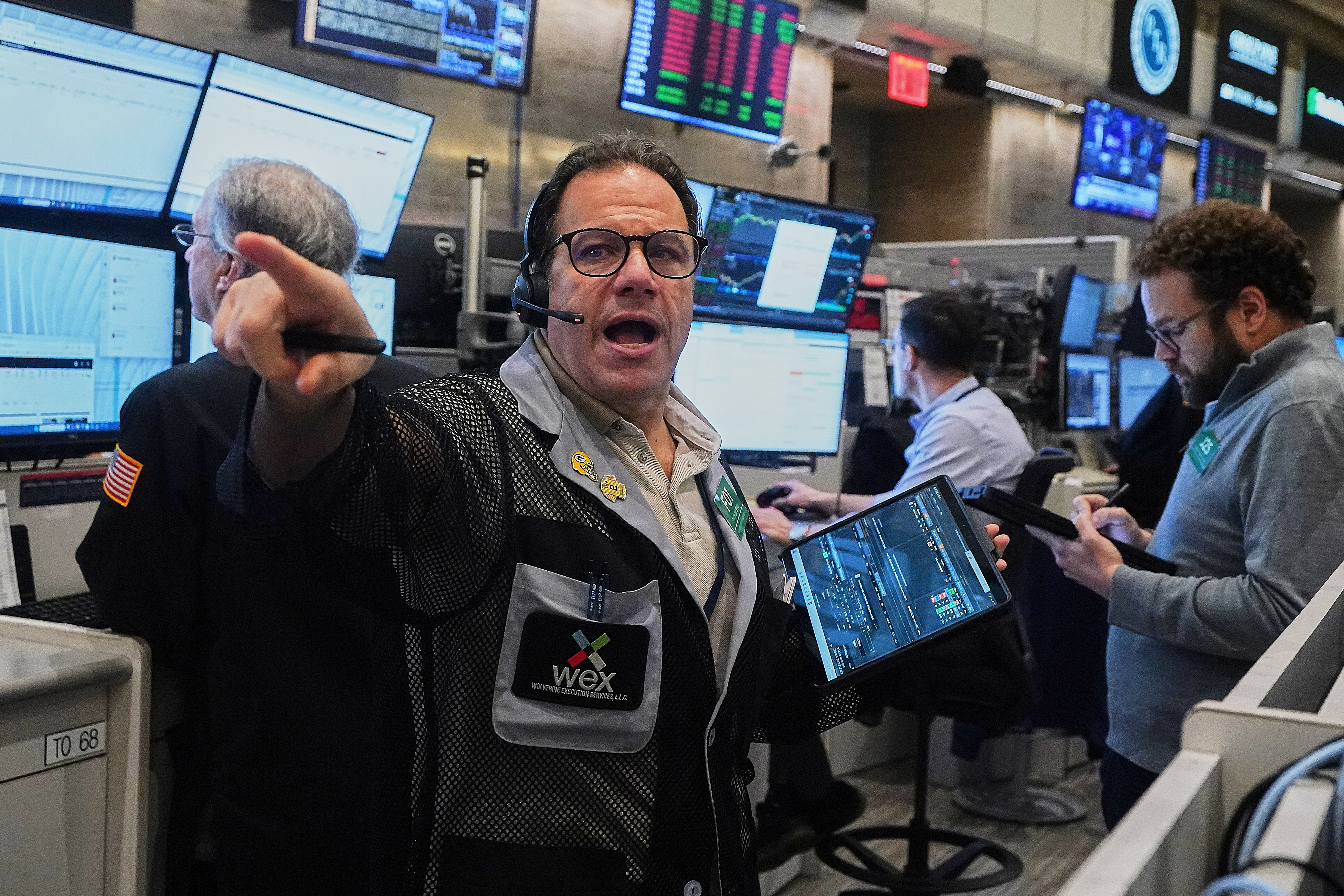
European indices mirrored the cautious optimism. Germany’s DAX climbed 0.5 % to 26,240.76, while Paris’s CAC 40 advanced 0.3 % to 8,480.52. Britain’s FTSE 100 edged 0.1 % higher, reaching 10,869.93. In the United States, the S&P 500 finished the day up 0.3 % and the Dow Jones Industrial Average rose 0.2 %, signalling a muted rebound after a mixed Monday where the S&P slipped 0.3 % and the Dow added 0.3 %.
Media additions
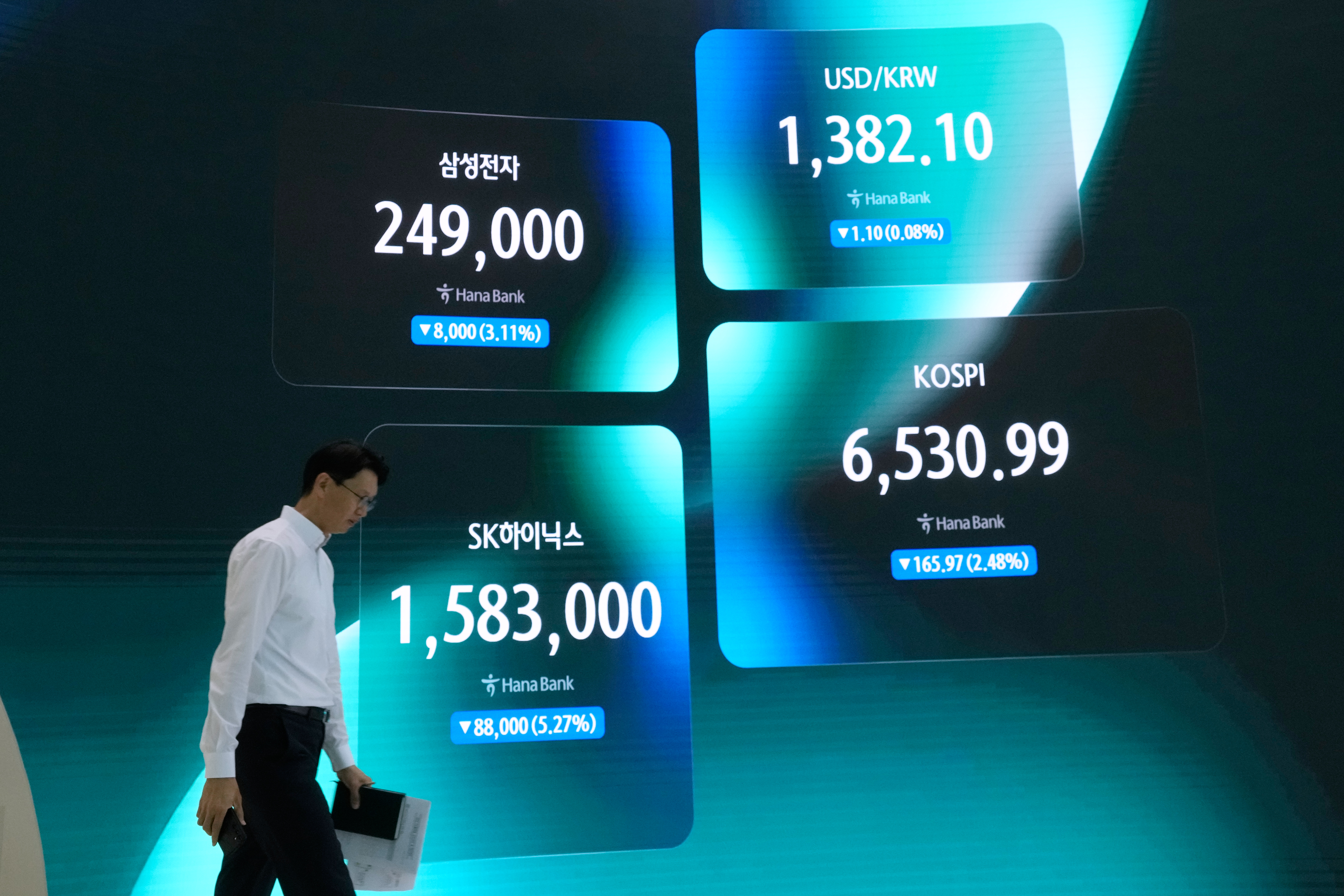
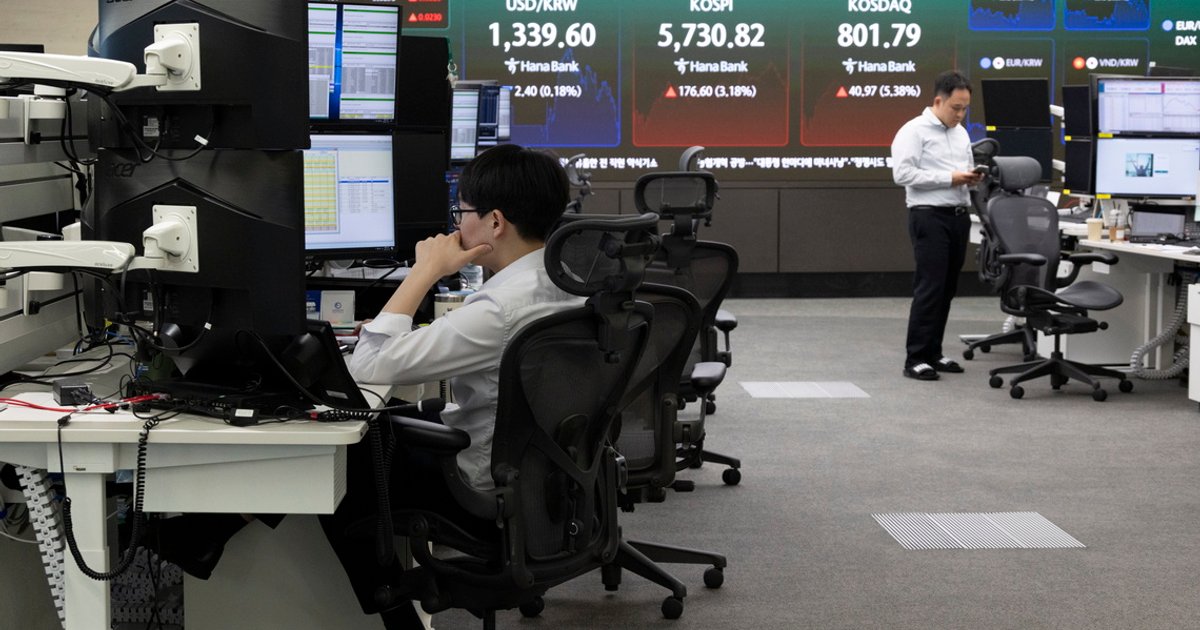
Asian trading was similarly restrained. Tokyo’s Nikkei 225 added 0.5 % to 65,856.43, buoyed by a 2.3 % jump in SoftBank Group shares. South Korea’s Kospi reversed early losses, gaining 0.7 % to 6,742.74 as investors snapped up tech bargains. Hong Kong’s Hang Seng was almost flat at 25,511.10, while Shanghai’s Composite index rose 0.2 % to 3,889.44. Taiwan’s Taiex leapt 0.9 %, whereas India’s Sensex slipped 0.2 %.
In the bond market, the 10‑year Treasury yield eased to 4.69 % from 4.74 % late on Friday, a retreat attributed to a surprise Treasury announcement to increase the size of planned buybacks. Longer‑term Treasury yields had climbed through the summer amid worries over high inflation and massive government debt, a trend that has already pushed mortgage rates higher and hurt the housing sector. “The latest discussion about using Treasury General Account cash to help finance purchases of longer‑dated bonds gave the market something to chew on Monday, and it initially liked the taste. Long yields fell, and the curve flattened,” Stephen Innes of SPI Asset Management said in a commentary. “But there is a difference between forcing the bond market to blink for an afternoon and solving the underlying problem,” he added.
Tech stocks, already stretched by artificial‑intelligence speculation, fell sharply on Monday. Nvidia lost 2.9 %, Micron Technology slid 5.8 %, and Broadcom fell 2.6 %. The Nasdaq composite fell 0.8 %, reflecting broader concerns that AI‑driven valuations may be unsustainable. Investors are now waiting for Nvidia’s quarterly earnings report, due on Wednesday, which could set the tone for the sector.
Across the Atlantic, Federal Reserve Chairman Kevin Warsh is scheduled to speak at the Jackson Hole Economic Symposium this Friday. Analysts expect him to address inflation and the Fed’s policy path, a development that could influence market sentiment further into the week. Warsh’s remarks are seen as a potential catalyst for the U.S. Equity and bond markets, given the Fed’s pivotal role in shaping monetary policy.
Currency markets adjusted to the sanctions news. The U.S. Dollar rose to 159.30 Japanese yen from 159.10 yen, while the euro traded at $1.1670, up from $1.1667. These moves reflect the broader risk‑off sentiment that has accompanied the oil price decline and the uncertainty surrounding the U.S.-Iran economic standoff.
Looking ahead, market watchers should keep an eye on several key events. Nvidia’s earnings report on Wednesday could confirm or challenge the optimism surrounding AI chip demand. Warsh’s speech at Jackson Hole may signal a shift in the Fed’s stance on inflation, potentially affecting interest rates and bond yields. Finally, any further developments in U.S. Sanctions or diplomatic negotiations with Iran could push oil prices higher or lower, with a corresponding ripple through global equities and currencies.
How significant is this development?
Contribute your assessment to the aggregated reader sentiment ledger.
Frequently Asked Questions
Key questions answered in this reportWhat is the key development in: Asian shares mixed as US sanctions Iran see oil prices fall?
Asian shares were mixed as U.S. sanctions on Iran caused oil prices to fall, while European indices rose modestly.
Why is this Business development significant for the UK?
This report covers critical events in our Business beat. Independent reporting monitors related UK statements, regulatory shifts, and public responses as further verified details emerge.
How was this reporting corroborated and verified?
Newsarchy UK compiles and cross-references reporting from primary reporting from aol.com and cross-checked wire reports. All coverage adheres to published editorial standards.
When was this report published?
This briefing was published on August 25, 2026 and is permanently cataloged in the Newsarchy UK Business archives.