US imposes strict new sanctions on Iran to pressure energy flows
The United States unveiled a package of secondary economic restrictions targeting Iran's energy flows amid an ongoing conflict in the Strait of Hormuz.
- Core Development: The United States unveiled a package of secondary economic restrictions targeting Iran's energy flows amid an ongoing conflict in the Strait of Hormuz.
- Beat Context: Categorized under World with independent corroboration.
- Reporting Depth: 3 minute analytical read synthesized from verified newsroom sources.
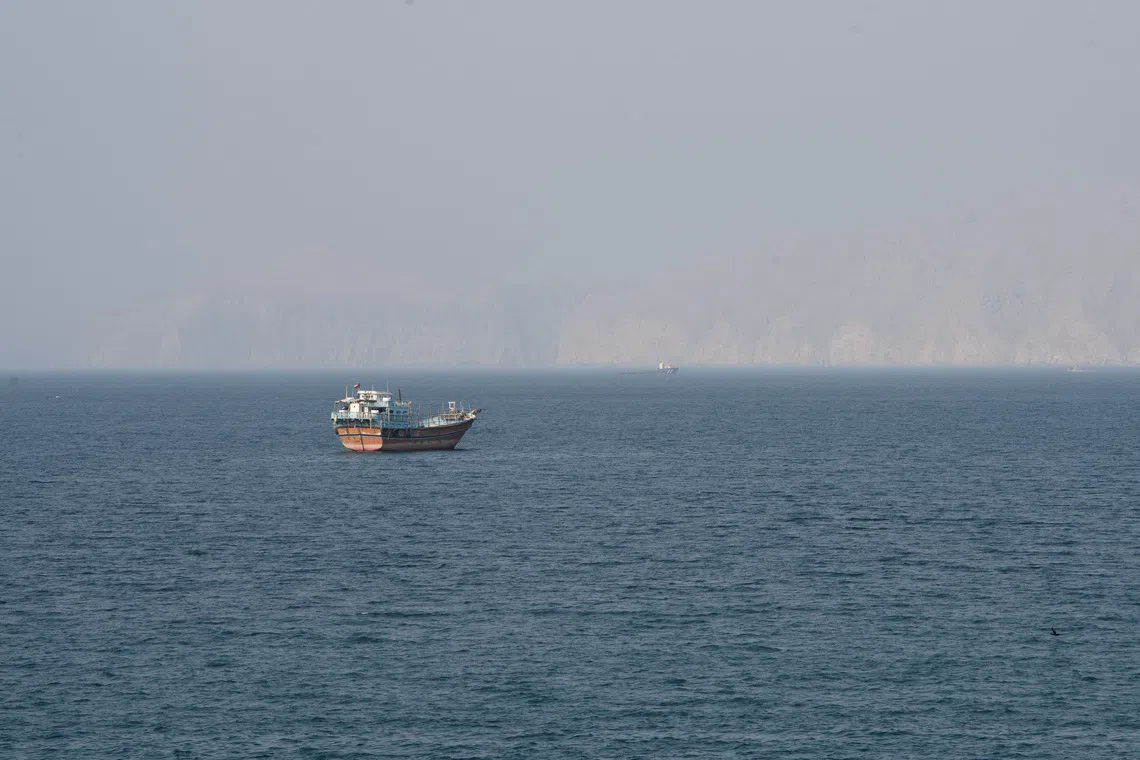
The United States has unveiled a wide-ranging package of secondary economic restrictions aimed at tightening energy flows and isolating Tehran, according to reporting detailed by Livemint. The measures arrive amid a grinding conflict centered on the Strait of Hormuz, a vital maritime conduit for global oil and gas shipments.
US Treasury Secretary Scott Bessent outlined the strategy on Monday, describing the initiative as an economic campaign designed to force the resumption of energy transit through the crucial waterway. Under the directives, international trading partners face a specific timeline to shut down links with the Islamic Republic or risk facing unilateral punishment and potential exclusion from the dollar-based financial system. Bessent referred to the push for the economic asphyxiation of Iran as an "economic D-Day" campaign. The announcement stopped short of the most punishing measures previously discussed, instead putting the world on notice.
Media additions

Tehran reacted sharply to the escalation. Iran’s Foreign Ministry spokesperson warned that the expanded measures would fail to bring peace to the region and promised a harsh response against nations deemed to be cooperating with Washington. Esmail Baghaei said,
and added that Tehran's hands are not tied."Any escalation of this situation will undoubtedly bring about consequences,"
The new financial pressures unfold against a backdrop of ongoing maritime insecurity. Data compiled by the International Maritime Organization and reported by the Straits Times and Free Malaysia Today confirms that 68 separate security incidents have occurred in the Gulf and surrounding waters since hostilities began. These events equate to an average of one disruption every 2.6 days. UN maritime figures show that at least 20 seafarers or port workers have lost their lives, 35 have sustained injuries, and one remains missing across the course of the conflict.
Tankers have accounted for roughly half of the targeted vessels, with container ships making up 20 percent and bulk carriers accounting for 15 percent, according to the IMO. The United Kingdom Maritime Trade Operations classified 47 of the incidents as attacks. Registries from Liberia have seen the highest frequency of affected commercial tonnage with 13 incidents, followed by Panama and the Marshall Islands with 10 vessels each. Iran-flagged vessels were reported as involved in four incidents. In addition, the United Kingdom Maritime Trade Operations reported a fresh strike involving an unidentified projectile that disabled an oil tanker about 9 nautical miles northeast of Oman's Ash Shishah, causing engine room damage and leaving no reported casualties.
Maritime Disruption Timeline
- Late February: Hostilities break out at the end of the month, leading to an initial phase where maritime incidents average one every 2.3 days.
- Mid-June: A diplomatic framework for peace talks is established, causing the incident rate to halve to one every 4.6 days until around July 7.
- Early July: Peace negotiations collapse, and the frequency of security incidents rebounds to approximately one every 2.8 days.
Diplomatic maneuvers run parallel to the economic standoff. Pakistan’s Army Chief Field Marshal Asim Munir recently completed a one-day visit to Tehran, holding discussions with Iranian President Masoud Pezeshkian, Foreign Minister Abbas Araghchi, and other senior officials in an effort to ease tensions between Tehran and Washington and end their conflict. Meanwhile, Tehran has held separate talks with Oman, on the other side of the strait, regarding the joint management of the waterway regardless of whether a new deal is brokered with the US. Tehran's demands for reopening Hormuz include ending the US naval blockade, withdrawing US forces from the region, and providing reparations for damages sustained in the war.
Energy markets have reacted to the persistent friction. Brent crude closed at around $92 and later rose toward $93 a barrel after falling more than 2 percent in a previous session, while West Texas Intermediate traded near $85 to $86 a barrel. Observers note that the US push for economic asphyxiation risks setting the US on a collision course with China, its main trading partner, which maintains substantial trade ties with Tehran.
How significant is this development?
Contribute your assessment to the aggregated reader sentiment ledger.
Frequently Asked Questions
Key questions answered in this reportWhat is the key development in: US imposes strict new sanctions on Iran to pressure energy flows?
The United States unveiled a package of secondary economic restrictions targeting Iran's energy flows amid an ongoing conflict in the Strait of Hormuz.
Why is this World development significant for the UK?
This report covers critical events in our World beat. Independent reporting monitors related UK statements, regulatory shifts, and public responses as further verified details emerge.
How was this reporting corroborated and verified?
Newsarchy UK compiles and cross-references reporting from primary reporting from livemint.com and cross-checked wire reports. All coverage adheres to published editorial standards.
When was this report published?
This briefing was published on August 25, 2026 and is permanently cataloged in the Newsarchy UK World archives.