Australia unemployment hits five-year high of 4.7 per cent
Australia's national unemployment rate reached 4.7 per cent in September 2026 as the economy unexpectedly shed 39,300 jobs.
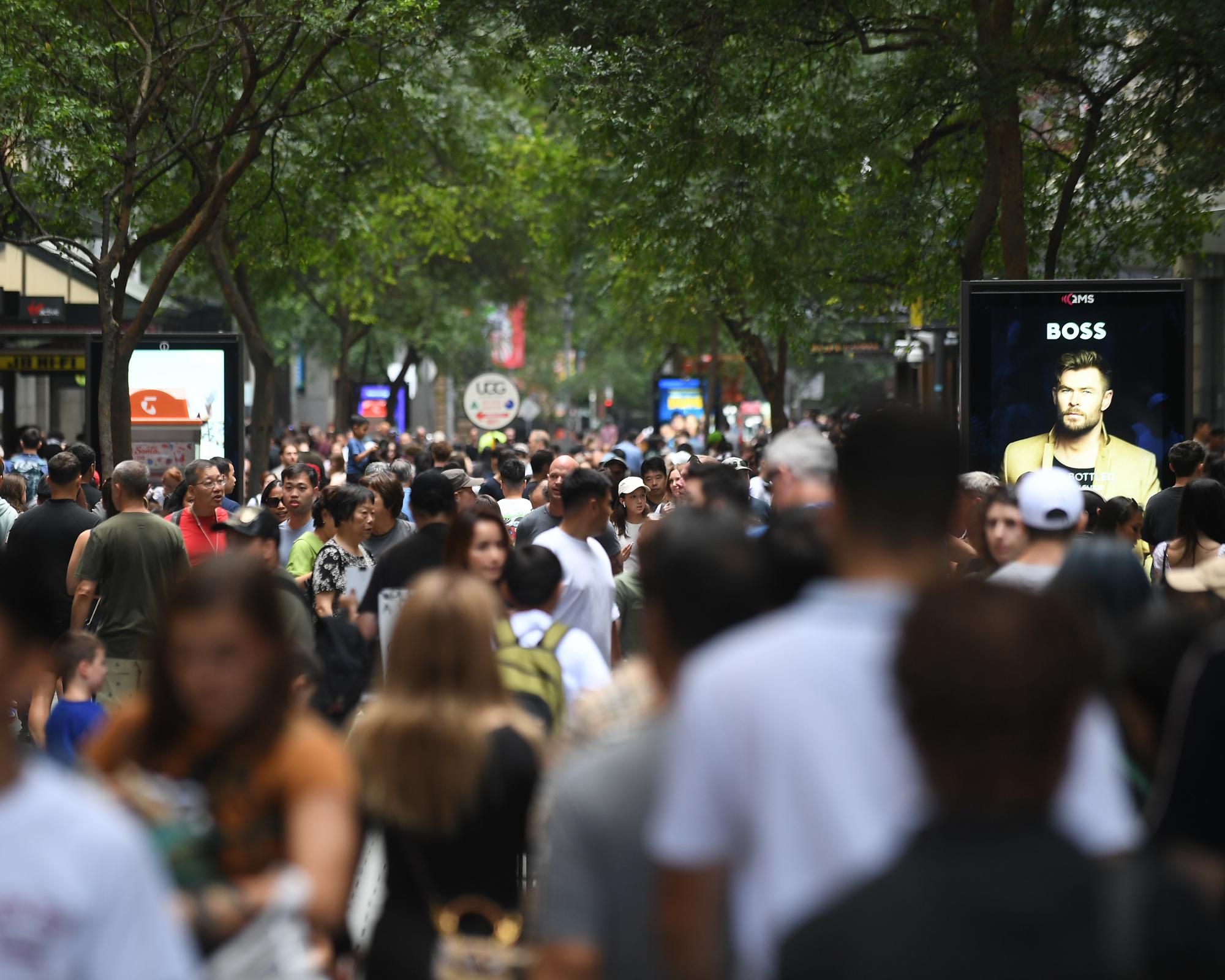
- Core Development: Australia's national unemployment rate reached 4.7 per cent in September 2026 as the economy unexpectedly shed 39,300 jobs.
- Beat Context: Categorized under Business with independent corroboration.
- Reporting Depth: 4 minute analytical read synthesized from verified newsroom sources.
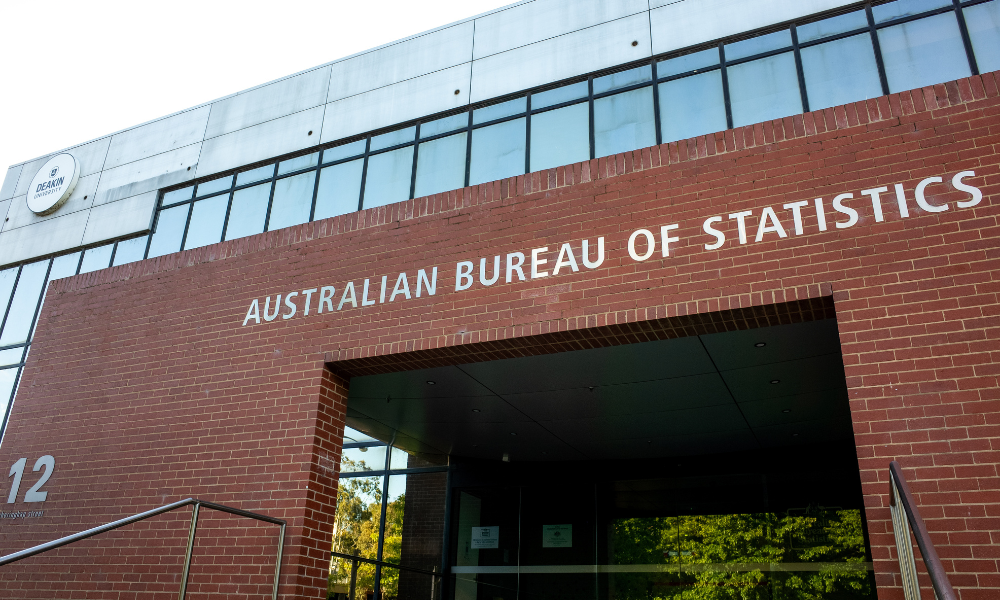
Australia's national unemployment rate climbed to 4.7 per cent in September 2026, marking its highest level in nearly five years, according to data released by the Australian Bureau of Statistics on Wednesday, 15 October 2026. The unexpected contraction saw the economy shed a total of 39,300 jobs during the month, catching economists off guard who had anticipated positive employment growth. The cooling labour market has immediately altered financial expectations surrounding the Reserve Bank of Australia and its upcoming monetary policy decisions, while also intensifying political sparring in Canberra over the direction of the national economy.
The latest figures place the jobless rate at its highest point since October 2021, driven by a sharp contraction in flexible employment. While full-time employment grew by 34,400 positions, this was overwhelmed by a steep drop of 73,700 part-time jobs. Consequently, total employment fell to 14,782,700 people in seasonally adjusted terms, pushing the total number of unemployed Australians up by 8,900 to 732,000, as reported by Human Resources Director.
Media additions
Additional pressure fell upon younger members of the workforce. Youth unemployment rose 0.3 percentage points to reach 11.1 per cent, more than double the national average, according to The National Tribune. Underemployment also deteriorated, lifting from 6.2 per cent to 6.3 per cent, while the broader underutilisation rate increased to 11.0 per cent. The participation rate slipped to 66.8 per cent, a movement Moody's Analytics warned likely includes discouraged workers whose absence from active job hunting may understate true labour slack.
Separate workplace management data from Deputy illustrated how frontline businesses in retail, hospitality, and services managed the slowdown. Total hours worked across those sectors fell for a second consecutive month, with hospitality experiencing the steepest pullback as shifts and hours per employee dropped significantly. Conversely, healthcare was the sole sector to register an increase in hours.
The data triggered a sharp pivot in financial markets regarding the trajectory of interest rates. Traders significantly pared back expectations of a fifth rate hike for the year by the Reserve Bank of Australia ahead of its next meeting. Pricing on Bloomberg showed the probability of a rate rise dropping below 20 per cent, down from approximately 35 per cent earlier in the day, according to AOL. However, economists remained divided on whether to take further monetary tightening entirely off the table, noting that inflation targets remain uncomfortably distant.
| Labour Market Indicator | Previous Reading | September 2026 Reading | Change / Direction |
|---|---|---|---|
| National Unemployment Rate | 4.6% (August) | 4.7% | Up 0.1 pts (Five-year high) |
| Total Employment Change | Positive growth | -39,300 jobs | Unexpected monthly drop |
| Youth Unemployment Rate | Previous period | 11.1% | Up 0.3 pts |
| Underemployment Rate | 6.2% | 6.3% | Up 0.1 pts |
Political fallout from the release was immediate. Prime Minister Anthony Albanese defended his administration in parliament by asserting that Australia's unemployment rate remains historically low when viewed across a 50-year horizon, noting that This government has the lowest unemployment rate of any government in 50 years
, as reported by AOL. In contrast, shadow treasurer Tim Wilson laid blame squarely on government spending and economic management, stating via AOL:
"The consequences of the Albanese economic model are now laid bare for everybody to see: higher unemployment, higher taxes, higher spending, higher inflation, and higher interest rates"
Tim Wilson, shadow treasurer, via AOL
The release coincided with international forecasts pointing to structural vulnerabilities. Ahead of the domestic data release, the International Monetary Fund projected that Australia would record one of the largest increases in the unemployment rate among advanced economies, a warning echoed across political commentary on The National Tribune.
For small and medium enterprises, the softening labour market reflects a broader strategy of cost control. James Keene, managing director for Asia-Pacific at Employment Hero, noted that business owners are exercising extreme caution around headcount additions as cash rates remain elevated at 4.60 per cent, choosing instead to protect existing full-time teams and leverage administrative technology, as detailed by Human Resources Director.
As the Australian economy digests the multi-sector pressures affecting retail, mining, and financial services—where major banks recently buoyed the ASX even as miners slumped, according to The Sydney Morning Herald—attention shifts toward upcoming macroeconomic indicators. Market participants and policymakers will closely watch the impending quarterly Consumer Price Index release, which will serve as the final decisive factor for the Reserve Bank of Australia board when it convenes to determine whether to hold or raise interest rates.
How significant is this development?
Contribute your assessment to the aggregated reader sentiment ledger.
Frequently Asked Questions
Key questions answered in this reportWhat is the key development in: Australia unemployment hits five-year high of 4.7 per cent?
Australia's national unemployment rate reached 4.7 per cent in September 2026 as the economy unexpectedly shed 39,300 jobs.
Why is this Business development significant for the UK?
This report covers critical events in our Business beat. Independent reporting monitors related UK statements, regulatory shifts, and public responses as further verified details emerge.
How was this reporting corroborated and verified?
Newsarchy UK compiles and cross-references reporting from primary reporting from AOL.co.uk and cross-checked wire reports. All coverage adheres to published editorial standards.
When was this report published?
This briefing was published on October 15, 2026 and is permanently cataloged in the Newsarchy UK Business archives.