Avanti West Coast services to be brought into public ownership in March
Avanti West Coast services will transition to public ownership in March following years of persistent delays, cancellations, and underperformance.
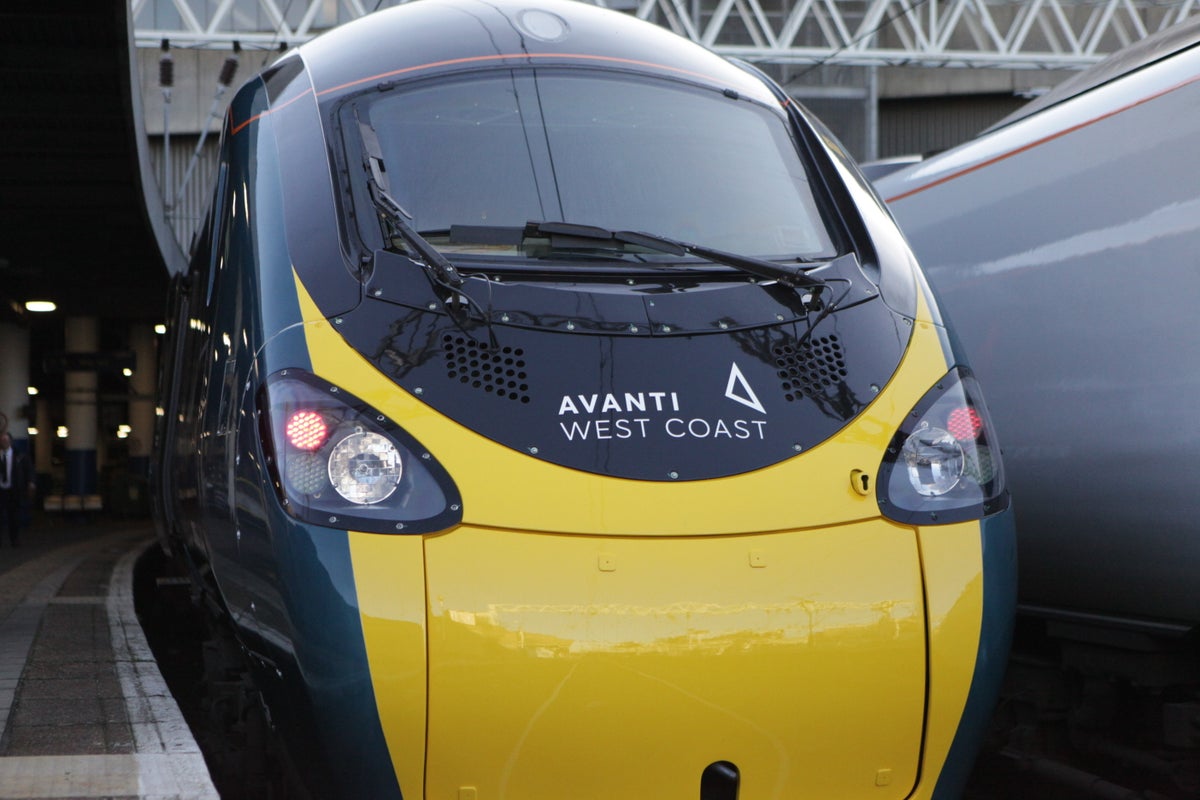
- Core Development: Avanti West Coast services will transition to public ownership in March following years of persistent delays, cancellations, and underperformance.
- Beat Context: Categorized under Business with independent corroboration.
- Reporting Depth: 3 minute analytical read synthesized from verified newsroom sources.
Avanti West Coast services will be brought into public ownership next March, according to Transport Secretary Heidi Alexander. The move marks a major shift for the West Coast Main Line and forms part of a wider government strategy to transition passenger rail services back into state hands.
Transport Secretary Heidi Alexander stated that passengers have been left paying the price for years of underperformance. Prime Minister Andy Burnham echoed that sentiment, declaring that enough is enough following years of cancellations, delays, and overcrowding on key connections between London Euston and destinations such as Liverpool Lime Street, Birmingham, and Manchester.
Media additions
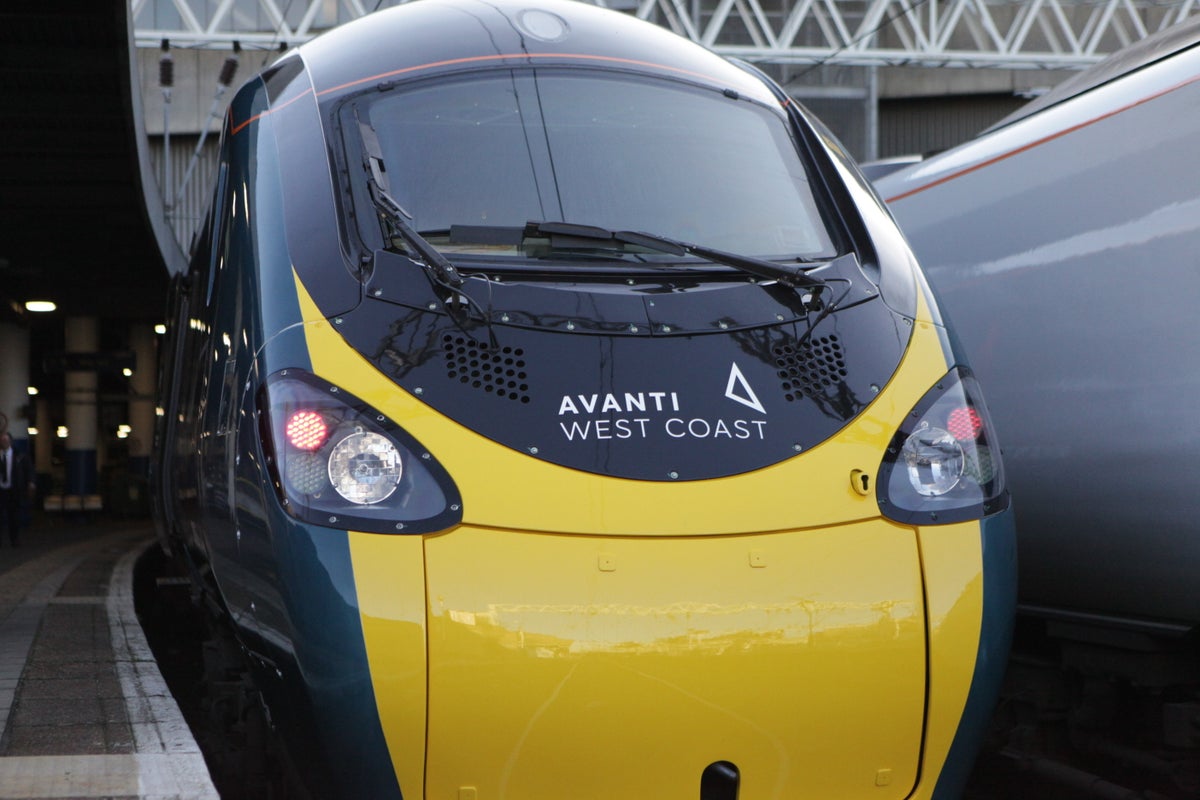


Ministers said the nationalisation effort will coincide with infrastructure upgrades aimed at cutting delays and boosting the passenger experience. A comprehensive improvement plan will be introduced, focused on delivering for passengers, not shareholders. Further business context and updates are tracked across our ongoing coverage.
The transition follows a turbulent period for the operator. In May, Avanti West Coast announced it was axing one in seven trains on some of the busiest summer routes following a government directive to reduce spending. About 38 daily weekday services were removed from timetables for six weeks from 20 July, affecting key connections between London Euston and Birmingham, Liverpool, and Manchester along the West Coast Main Line, where the operator typically runs 248 daily services. Avanti West Coast, a joint venture, said that it proposed targeting services with lower demand in response to a Department for Transport (DfT) request for cost reductions, a plan which received official approval.
Avanti West Coast managing director Andy Mellors defended the operator's record over the past six years, highlighting the refurbishment of the Pendolino fleet, the introduction of Evero trains, and running more services than ever before. In a statement following the nationalisation announcement, the operator reassured travellers that tickets will not be affected and advised passengers to continue to travel and book tickets as usual.
| Operator / Route | Transition Date / Milestone | Context |
|---|---|---|
| South Western Railway | Sunday, 25 May | First rail operator to transfer into public ownership under the Labour government. |
| c2c | July | Scheduled to follow South Western Railway into public ownership. |
| Greater Anglia | Autumn | Scheduled to transfer into public ownership later in the year. |
| Avanti West Coast | March 7 | Existing operating contract expires, bringing services into public ownership. |
The broader nationalisation programme is tied to the Labour government's legislation making the nationalisation of passenger operators in England the default option. The state plans to establish a new publicly owned body, Great British Railways (GBR), to oversee network tracks and train operations across England, Wales, and Scotland. GBR will take over contracts currently held by private firms as they expire, though it will continue to lease rolling stock from private companies rather than buy them outright. Rail freight companies will not be nationalised, with the government instead saying that GBR will support and promote freight operators.
Industry specialists have raised questions regarding the financial impact of the transition. Railway specialist Tony Miles noted that private operators' profit margins are already extremely small, meaning any direct savings passed on to passengers per journey are likely to be minimal. Meanwhile, industry body Rail Partners warned that nationalisation is a political rather than practical solution that could increase costs over time. Supporters, including transport unions, argued that the move is necessary to fix years of mismanagement and put passenger interests ahead of private profit.
As the transition date approaches, passengers can expect further details regarding the comprehensive improvement plan. For ongoing updates on this development and related industry shifts, readers can follow Avanti West Coast to be nationalised next March.
How significant is this development?
Contribute your assessment to the aggregated reader sentiment ledger.
Frequently Asked Questions
Key questions answered in this reportWhat is the key development in: Avanti West Coast services to be brought into public ownership in March?
Avanti West Coast services will transition to public ownership in March following years of persistent delays, cancellations, and underperformance.
Why is this Business development significant for the UK?
This report covers critical events in our Business beat. Independent reporting monitors related UK statements, regulatory shifts, and public responses as further verified details emerge.
How was this reporting corroborated and verified?
Newsarchy UK compiles and cross-references reporting from primary reporting from BBC and cross-checked wire reports. All coverage adheres to published editorial standards.
When was this report published?
This briefing was published on September 27, 2026 and is permanently cataloged in the Newsarchy UK Business archives.