Elon Musk regrets record midterm spending after Republican election rout
Tesla and SpaceX CEO Elon Musk admitted regret over his historic political expenditures after a sweeping Republican election defeat.
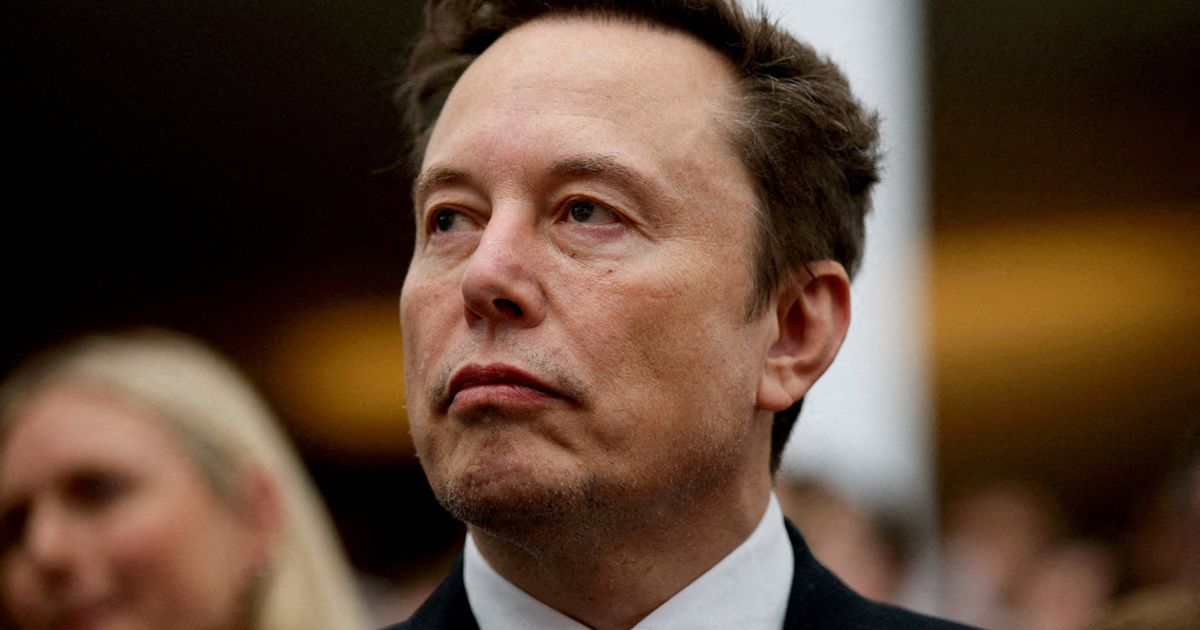
Elon Musk expressed public regret over his historic political expenditures following a sweeping Republican election rout on Wednesday, 18 November 2026, signaling a sharp departure from his previous partisan alignment.
Weeks after Democratic candidates secured major victories across the country during the midterms, the world's richest individual addressed his multi-million-dollar campaign contributions. According to reporting compiled by Straits Times, Musk admitted that his financial strategy had yielded few results.
Media additions


"I feel pretty foolish about having spent so much money and not seeing much for it,"
Elon Musk, CEO of Tesla and SpaceX, via The New York Times DealBook Summit
Speaking virtually from China while accompanying President Donald Trump during an international delegation for the Asia-Pacific Economic Cooperation summit, Musk reflected on the outcome of the race. He stated that if he could rewind the clock, he would have reduced his financial output.
Financial estimates regarding Musk's total contributions during the recent election cycle vary slightly across reporting outlets and campaign finance monitors, as detailed below:
| Reporting Outlet / Source | Estimated Midterm Expenditure |
|---|---|
| Straitstimes / Bloomberg | More than US$445 million (S$574 million) |
| New York Post | Nearly $500 million |
| CNBC | At least $474 million |
| BBC | $446 million (£339m) |
| Adweek / OpenSecrets | At least $445 million |
The billionaire's funding primarily flowed through two political action committees, America PAC and Texas PAC, which poured massive resources into key congressional contests. Much of the capital targeted races in Texas, where Musk maintains significant corporate infrastructure for his ventures Tesla and SpaceX. According to reporting, a substantial portion—estimated at upwards of $229 million according to Straits Times and Bloomberg filings—was directed toward supporting Ken Paxton in an unsuccessful bid for an open U.S. Senate seat in Texas, which was ultimately won by Democrat James Talarico.
Further complicating the political landscape for the tech executive, Democrats flipped control of both chambers of Congress. In Texas, Democrat Gina Hinojosa defeated incumbent Governor Greg Abbott, ending decades of Republican leadership in the state. Additional losses occurred in historically competitive and conservative regions, including races in Maine, Ohio, Michigan, Montana, Alaska, and Kansas, as noted by Cnbc and Washington Sun coverage.
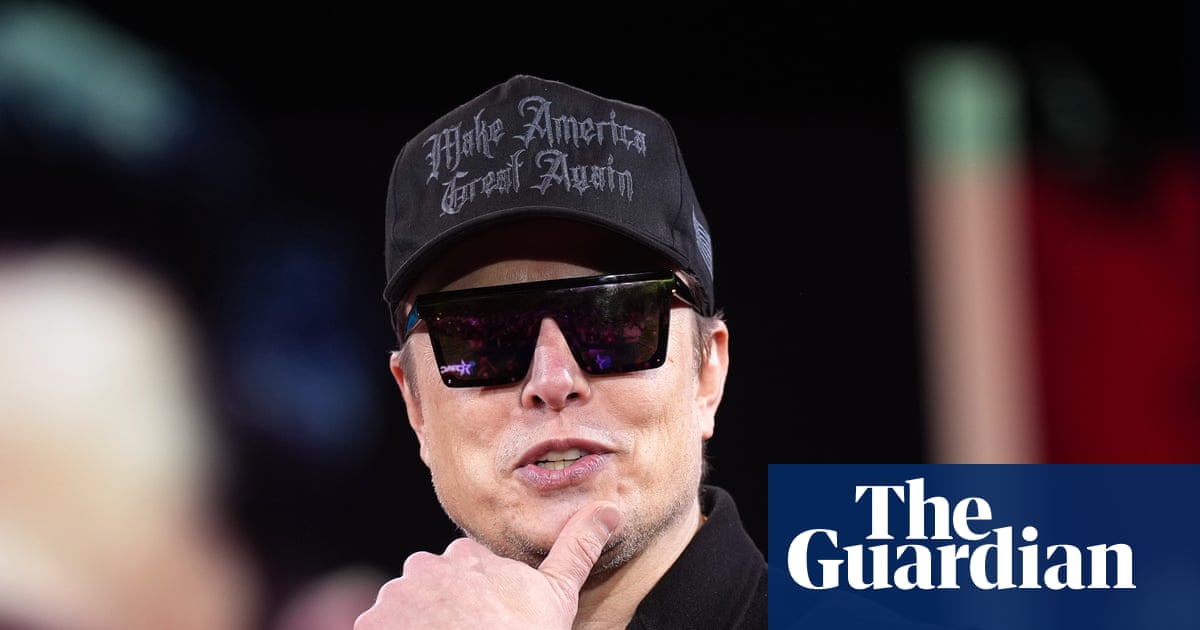
During his appearance at the summit, Musk also sought to distance himself from the political rhetoric he previously embraced. While he famously wore a black MAGA hat and declared himself "dark, gothic MAGA" at a Pennsylvania rally during the 2024 presidential campaign, he offered a different perspective on Wednesday, 18 November 2026.
"I'm not MAGA. Well, at least I'm not sure what MAGA means... if that means sort of blind adherence to a set of policies by the Republican Party, then I certainly don't have that,"
Elon Musk, via The New York Times DealBook Summit
Despite his regret over the scale of the spending, Musk maintained that American elections demonstrate that money alone cannot dictate outcomes. He suggested that candidates might have performed even worse without his intervention, though he acknowledged that his goal of maintaining a 51-seat Republican majority by 2029 had failed.
The political shift carries tangible implications for Musk's corporate empire. Emboldened Democratic leaders have vowed to increase scrutiny on tech firms, data center developments, and government subsidies. In Texas, incoming leaders have raised concerns regarding tax breaks and utility strains. Meanwhile, newly elected officials in other states have pledged to limit the expansion of massive data infrastructure and investigate government contracts awarded to SpaceX, which the BBC notes has gained an estimated $10 billion in new federal agreements since Trump's return to office.
Despite potential policy friction regarding data center moratoriums and corporate tax incentives proposed by incoming state leadership, Musk expressed optimism that relations in Texas would remain stable. He characterized incoming Governor Hinojosa as moderate rather than far-left, downplaying the likelihood of severe regulatory conflict.
What to Watch Next
- Congressional committees under newly established Democratic leadership prepare to launch formal inquiries into federal tech contracts and data center subsidies.
- Implementation of state-level policy proposals concerning data center moratoriums in Texas and Georgia.
- Potential adjustments to corporate strategy between Tesla, SpaceX, and xAI as federal oversight intensifies.