EU postpones meeting on Tesla self-driving tech approval to December 15
The EU has delayed its crucial meeting on Tesla's assisted driving system approval to December 15, pushing back a major regulatory decision for the automaker.
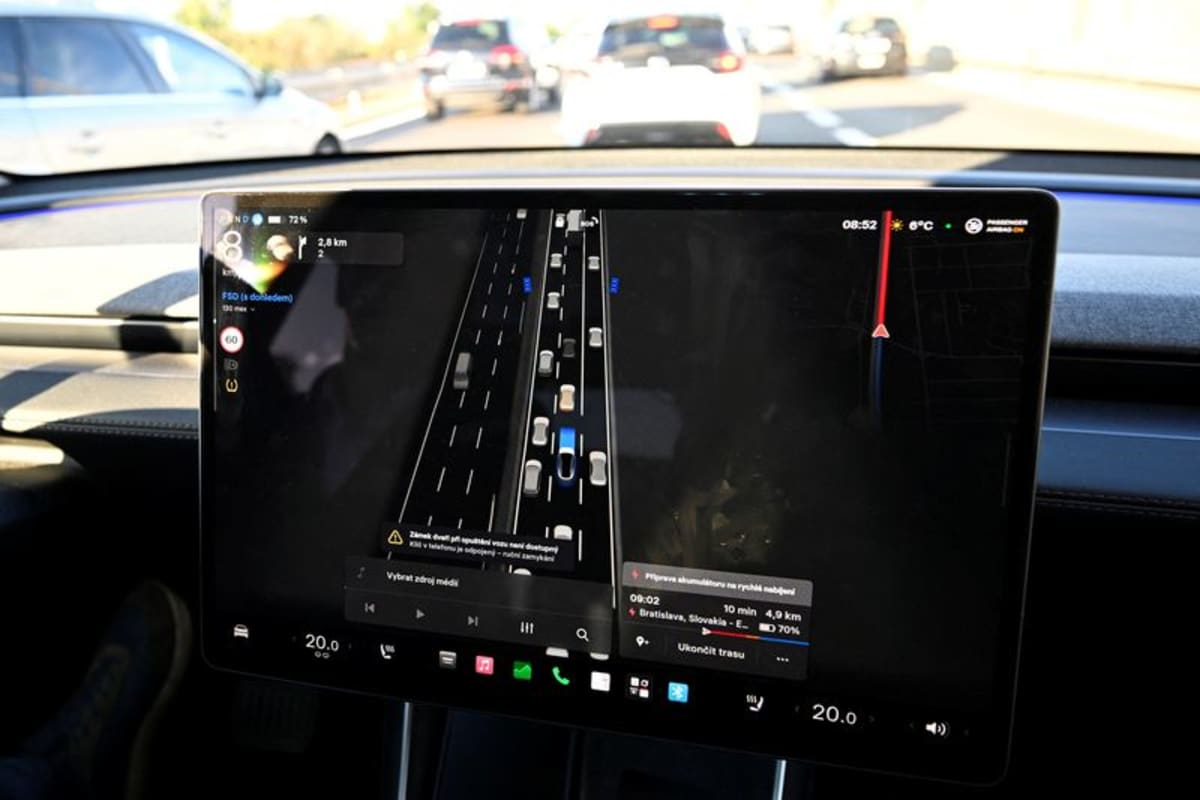
A European Union meeting to consider bloc-wide approval for Tesla's assisted driving system has been pushed back, forcing the company to wait longer for a crucial regulatory decision. The Technical Committee for Motor Vehicles (TCMV) will now convene on December 15, according to a European Commission spokesperson cited by Reuters. The session had originally been slated for December 1, as noted by the Dutch regulator RDW, before temporary confusion saw Belgium's Flanders transport ministry point to December 7.
According to Mlq, the report provided no reason for the delay. The meeting marks a continuation of discussions regarding the system, following two earlier committee meetings that concluded without holding a vote.
Media additions

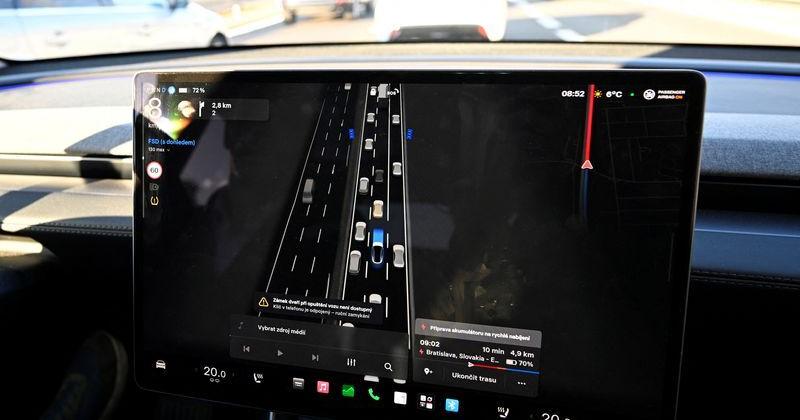

The system relies on a hands-off, eyes-on configuration, meaning it can handle steering, braking, and acceleration while demanding constant driver supervision. Analytics Insight noted that officials want to ensure drivers clearly understand the distinction between assisted driving and fully autonomous systems, fearing the previous branding might cause motorists to stop paying attention. Originally referred to as Full Self-Driving (FSD), the technology has faced regulatory pressure regarding its naming conventions, leading to its designation as Tesla Assisted Driving (TAD) according to Reuters reports, while MLQ.ai references the supervised Full Self-Driving system.
The Netherlands granted preliminary approval in April via Article 39 of the EU type-approval regulation, an exemption path for new technologies that do not fit existing rules, Electrek reported. Nearly a dozen nations subsequently followed the Dutch lead through national recognitions. These include Denmark, Belgium, Estonia, Lithuania, Slovenia, and Czechia, while Italy stands as the most populous country to begin a rollout.
However, securing an EU-wide green light remains a high bar. Securing bloc-wide recognition requires backing from at least 15 of the 27 member states, representing a minimum of 65% of the EU population. A rejection at the EU level would invalidate the national authorizations already granted by individual member countries. Current national recognitions held by the Netherlands and the nearly a dozen adopting nations account for roughly 53 million people, or about 12% of the EU population.
| Metric / Requirement | Current Status |
|---|---|
| Initial National Approval | The Netherlands (April) |
| Countries Adopting National Approvals | Nearly a dozen (including Denmark, Belgium, Estonia, Lithuania, Slovenia, Czechia, and Italy) |
| Adopting Population Share | Roughly 53 million people (about 12% of the EU population) |
| EU-Wide Approval Threshold | 15 of 27 member states representing 65% of the EU population |
| Upcoming TCMV Meeting Date | December 15 |
Sweden has urged the EU to reject the technology unless Tesla removes the feature allowing the system to exceed posted speed limits. Nordic regulators have also raised flags regarding driver attention and performance on icy roads. France has refused to recognize the Dutch approval, citing speeding and driver attention in cities, though Electrek noted that the French transport minister reached out to Musk.
Furthermore, independent testing in Brussels recently revealed that the technology exceeded speed limits in a majority of tested zones with 30 km/h restrictions. Germany, France, Italy, and Spain have not recognized the Dutch approval. Without at least some of those four, which together hold about 58% of the EU population, the 65% threshold is out of reach.
The upcoming December 15 session of the Technical Committee for Motor Vehicles will determine whether the push for bloc-wide authorization moves forward or faces further regulatory hurdles.