Chinese court sentences founder of property developer Evergrande to life in prison
The Shenzhen Intermediate People's Court sentenced Evergrande founder Hui Ka Yan to life in prison, confiscated his property, and issued billions in corporate fines following large-scale financial fraud.

- Core Development: The Shenzhen Intermediate People's Court sentenced Evergrande founder Hui Ka Yan to life in prison, confiscated his property, and issued billions in corporate fines following large-scale financial fraud.
- Beat Context: Categorized under Business with independent corroboration.
- Reporting Depth: 4 minute analytical read synthesized from verified newsroom sources.
On Thursday, 20 August 2026 the Shenzhen Intermediate People’s Court sentenced Hui Ka Yan, the founder of China Evergrande Group, to life imprisonment. The court also fined Evergrande Group 8.82 billion yuan and its real‑estate arm 7 billion yuan, a combined total of 15.82 billion yuan, and ordered the confiscation of all of Hui’s personal property and the revocation of his political rights for life.
Hui, also known as Xu Jiayin, pleaded guilty in April 2026 to eight charges that included illegal absorption of public deposits, fraud, embezzlement and corporate bribery. In the court’s statement, he was described as having “abused his position in orchestrating financial fraud and misappropriating company assets.” Five other senior executives received sentences ranging from six to 18 years for related offences such as illegal public deposits and fraud.
Media additions

Rise and fall of a property empire
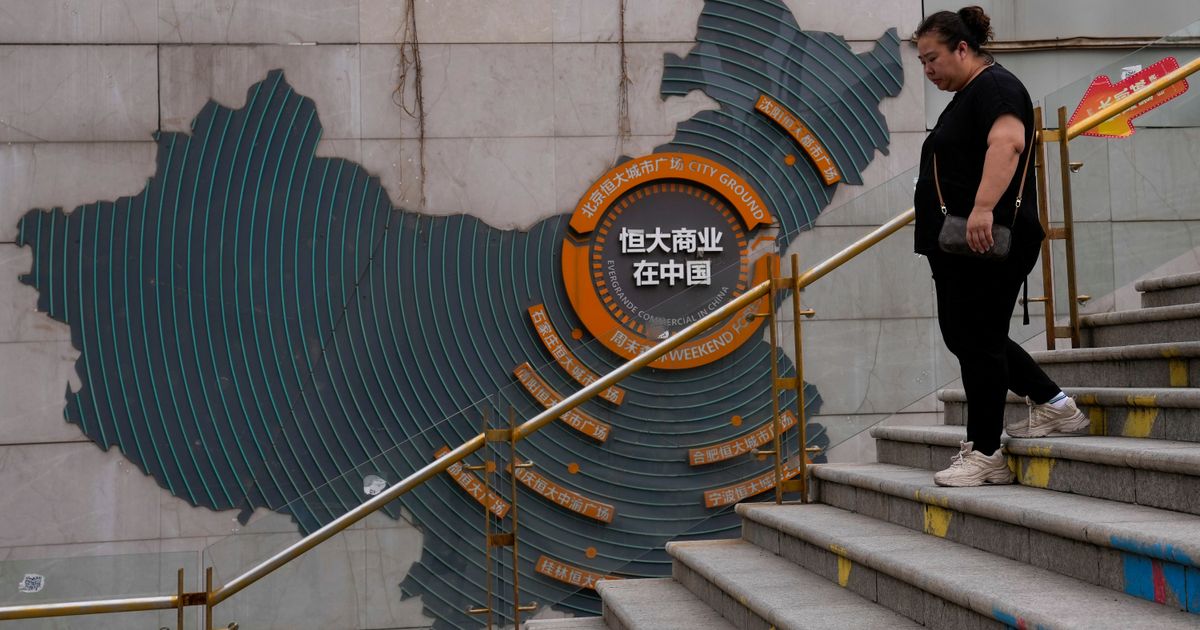
By 2020 the group claimed annual sales of 700 billion yuan, and Hui was listed by Forbes in 2017 as Asia’s richest person with a net worth of $45.3 billion. The company’s aggressive expansion relied on low‑margin home sales, massive land‑buying sprees and heavy borrowing.
Evergrande’s rapid growth attracted attention from both mainland officials and Hong Kong tycoons. Hui was a regular at the “poker club” of senior investors, where, according to three sources familiar with the circle, he “knowingly lost a lot of money in the games” but won the favor of New World Development founder Cheng Yu Tung, who injected $150 million a year before Evergrande’s 2009 Hong Kong IPO.
The group’s debt load ballooned to more than $300 billion, making it the world’s most heavily indebted real‑estate developer. In 2020, the central government launched a crackdown on excessive borrowing and speculation in the property sector. The tightening of credit curbs coincided with Evergrande’s default on its overseas debts in 2021, a failure that “tipped the entire Chinese real‑estate market into crisis,” according to multiple reports.
Investigators in Hong Kong and mainland China later alleged that Evergrande had manipulated its financial data by prematurely booking revenue from property sales before completion and delivery. The overstatement was estimated at roughly $80 billion for 2019 and 2020.
From public acclaim to courtroom
The contrast between Hui’s public image and his legal downfall is stark. In 2021, while mingling with senior Party officials at the Chinese Communist Party’s centenary celebrations in Beijing, he appeared relaxed and smiling, a visual that “was widely regarded as official backing for the billionaire.” Five years later, the same man — now grey‑haired and flanked by two officers — stood before the Shenzhen court as his life sentence was read.
The court’s verdict also mentions that between 2016 and 2021 Evergrande and its leadership “engaged in continuous, large‑scale financial fraud and other means to inflate assets and conceal liabilities,” and that they “gained control of financial institutions” through bribery, though the institutions were not named.
The liquidators appointed by a Hong Kong court declined to comment on the sentence, underscoring the ongoing complexity of unwinding Evergrande’s assets.
“Without the country's policy to reform higher education, I could not have left the village. Without the country giving me a scholarship of 14 yuan every month, I could not have completed university,” Hui said.
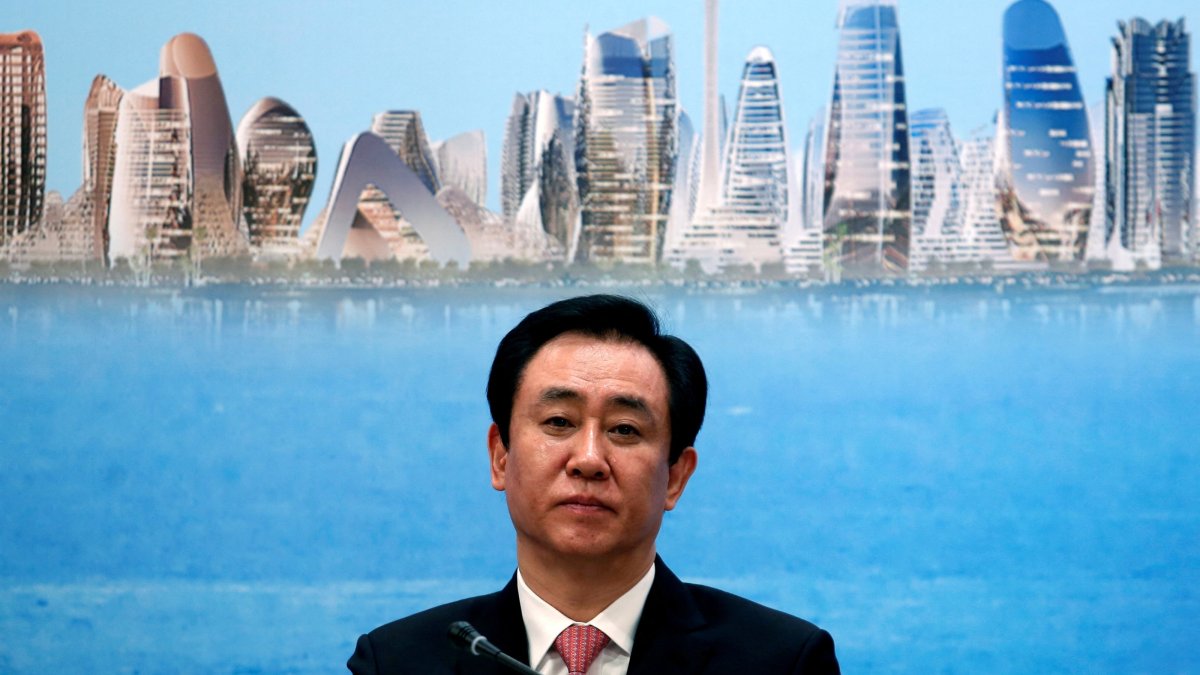
Hui Ka Yan, founder, via Reuters
“He was very composed when he was first brought to the club. He knowingly lost a lot of money in the games.”
Source, Yahoo News
Official narrative and court findings
The Shenzhen Intermediate People’s Court described the case as “large‑scale financial fraud” that involved inflating Evergrande’s asset figures and hiding its liabilities. The statement emphasized that the fraud was orchestrated by Hui in his capacity as chairman, and that the misappropriation extended to company assets beyond the illegal public deposits.
In addition to the two fines levied against Evergrande Group and Evergrande Real Estate Group, the court’s decision included penalties for 56 individuals linked to the collapse, ranging from prison terms to revocation of political rights.
According to the court’s WeChat post, “Xu Jiayin was sentenced for multiple crimes and fined, received a life sentence, with political rights revoked for life and all his personal property confiscated.” The post also noted that the court’s ruling marks the first time a founder of a major Chinese property developer has been sentenced to life imprisonment for financial fraud.
Impact on the property sector
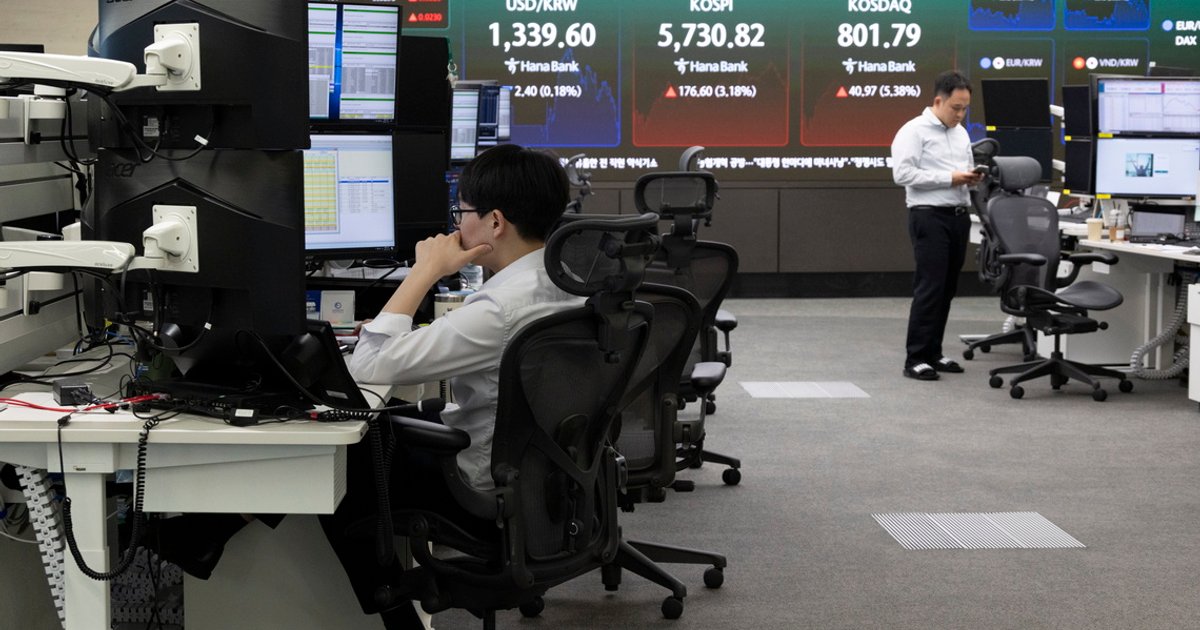
Evergrande’s downfall has been described as a “severe crisis in China’s property sector,” with ripple effects that have weighed on the broader economy since the 2020 credit curbs. The $300 billion debt burden, combined with the company’s default, intensified a slowdown that analysts say continues to affect developers, banks and home‑buyers.
Even as the court delivers its verdict, the liquidation of Evergrande’s assets proceeds under the supervision of Hong Kong courts. The scale of the fines, over $2 billion in total, highlights the government’s resolve to hold senior executives accountable, a stance that has been echoed in other high‑profile property‑sector prosecutions.
What to watch next
- Implementation of the 15.82 billion yuan fines and the confiscation of Hui’s personal assets, as overseen by the Shenzhen court.
- Further court proceedings concerning the 56 individuals sentenced alongside Hui, including potential appeals.
- Progress of Evergrande’s liquidation in Hong Kong, especially any statements from the appointed liquidators.
- Continued monitoring of China’s property‑market reforms, which were intensified after the 2020 borrowing crackdown.
How significant is this development?
Contribute your assessment to the aggregated reader sentiment ledger.
Frequently Asked Questions
Key questions answered in this reportWhat is the key development in: Chinese court sentences founder of property developer Evergrande to life in prison?
The Shenzhen Intermediate People's Court sentenced Evergrande founder Hui Ka Yan to life in prison, confiscated his property, and issued billions in corporate fines following large-scale financial fraud.
Why is this Business development significant for the UK?
This report covers critical events in our Business beat. Independent reporting monitors related UK statements, regulatory shifts, and public responses as further verified details emerge.
How was this reporting corroborated and verified?
Newsarchy UK compiles and cross-references reporting from primary reporting from timesofindia.indiatimes.com and cross-checked wire reports. All coverage adheres to published editorial standards.
When was this report published?
This briefing was published on August 20, 2026 and is permanently cataloged in the Newsarchy UK Business archives.