assistant We need to produce one headline, max 75 characters, specific (subject + development), front-load key…
Municipalities and national governments worldwide are radically overhauling e-bike regulations, introducing stricter oversight, new compliance fees, and enhanced enforcement powers.
- Core Development: Municipalities and national governments worldwide are radically overhauling e-bike regulations, introducing stricter oversight, new compliance fees, and enhanced enforcement powers.
- Beat Context: Categorized under Business with independent corroboration.
- Reporting Depth: 3 minute analytical read synthesized from verified newsroom sources.
Municipalities and national governments across the globe are radically overhauling regulations surrounding electric two-wheelers, introducing stricter oversight, new compliance fees, and enhanced enforcement powers in response to surging accident rates and infrastructure pressures.
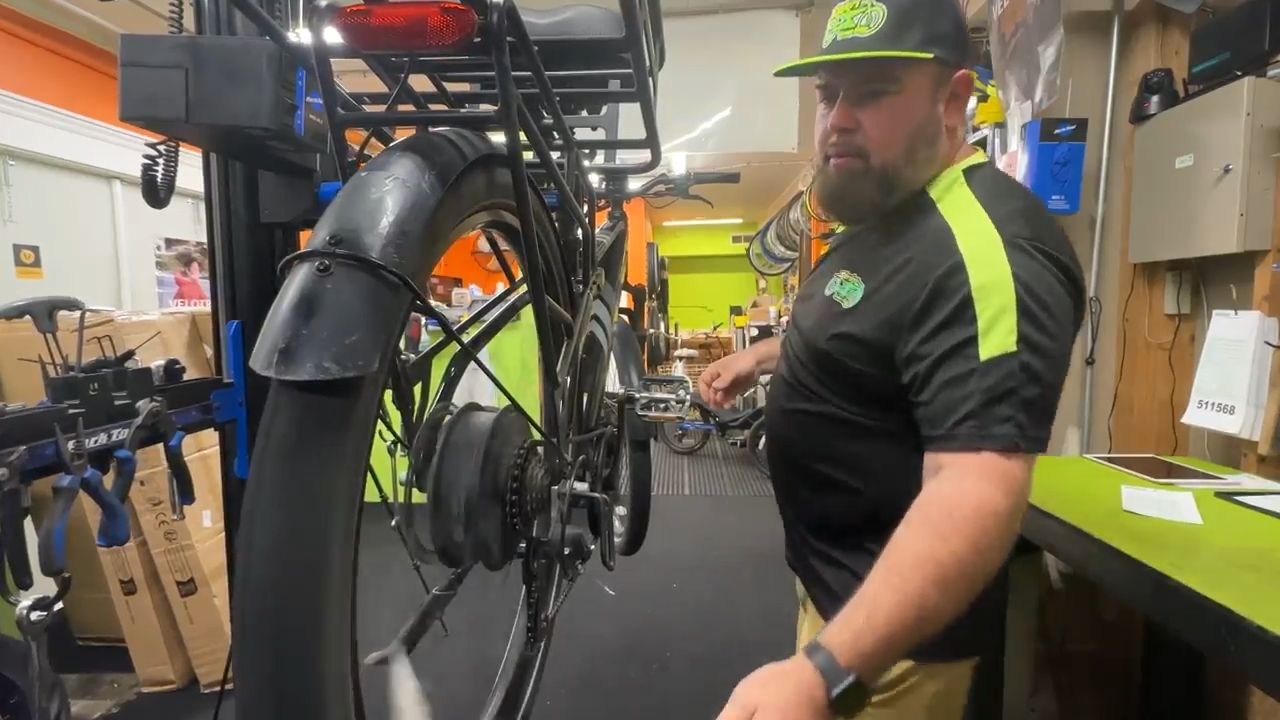
The regulatory shifts arrive as cities grapple with an unprecedented surge in micro-mobility adoption following years of pandemic-era growth. In Baynews9 reporting from Inverness, Florida, local bike shop owner Ryan DeLarco noted that e-bikes have evolved from a passing fad into a vital transportation mode for older residents seeking joint mobility. Yet, distinguishing standard human-powered bicycles and low-speed e-bikes from high-powered, throttle-driven "e-moto" bikes capable of high speeds has complicated municipal oversight. City Manager Eric Williams emphasized the need to balance local economic integration with pedestrian safety, prompting the Sheriff’s Office to deploy educational outreach campaigns rather than immediate punitive measures.
Media additions


A much harsher enforcement framework has taken root in Australia. According to Yahoo News Australia, Queensland has enforced a controversial verification scheme under its Electrically Power-Assisted Cycle (EPAC) Assurance Scheme. Compliant e-bike owners must pay a fee to secure a permanent verification label inspected by authorized verifiers, with a transition period allowing unmarked devices to be ridden until early next year before full enforcement takes effect. Advocacy group Bicycle Queensland criticized the financial burden placed on law-abiding riders, arguing that the government should absorb inspection costs. Further legislative changes in the state include minimum age requirements, mandatory driver licence rules, random breath testing, and police powers to seize non-compliant machines.
These Australian reforms mirror broader safety crackdowns detailed by Bicycle NSW. CEO Peter McLean highlighted that New South Wales has reinstated the European standard EN-15194, capping continuous motor output and restricting pedal assistance speed limits. While existing compliant devices enjoy a multi-year exemption period, unregistered, high-powered alternatives face strict bans, heavy fines, and potential seizure by police. Safety advocates point to a troubling rise in pedestrian and rider injuries, alongside a growing threat of lithium-ion battery fires stemming from uncertified, modified imports.
| Jurisdiction | Key Regulatory Change | Speed / Power Limits | Enforcement & Penalties |
|---|---|---|---|
| Queensland, Australia | EPAC Assurance Scheme verification | 25 km/h assisted, 250W | Police seizure, random breath testing, and fines exceeding $600 |
| New South Wales, Australia | Reinstatement of European standards | 25 km/h assisted, 250W | Fines starting at $818 and potential bike seizure |
Meanwhile, local commercial manufacturers like Nuneaton-based Eskuta are navigating these regulatory shifts by partnering with delivery giants such as Deliveroo to supply compliant SX-250 e-bikes, featuring visible brand identification to assure the public and law enforcement of their street legality.
As governments navigate the competing demands of active travel promotion, public safety, and infrastructure strain, what happens next will depend on upcoming legislative deadlines and enforcement rollouts. In Queensland, the transition period for unlabelled e-bikes runs until February 2027, after which compliance labels become mandatory for public road use. Similar enforcement windows and public education campaigns are underway internationally, setting the stage for a heavily scrutinized micro-mobility landscape.
How significant is this development?
Contribute your assessment to the aggregated reader sentiment ledger.
Frequently Asked Questions
Key questions answered in this reportWhat is the key development in: assistant
We need to produce one headline, max 75 characters, specific (subject + development), front-load key…?
Municipalities and national governments worldwide are radically overhauling e-bike regulations, introducing stricter oversight, new compliance fees, and enhanced enforcement powers.
Why is this Business development significant for the UK?
This report covers critical events in our Business beat. Independent reporting monitors related UK statements, regulatory shifts, and public responses as further verified details emerge.
How was this reporting corroborated and verified?
Newsarchy UK compiles and cross-references reporting from primary reporting from Bicycle NSW and cross-checked wire reports. All coverage adheres to published editorial standards.
When was this report published?
This briefing was published on November 4, 2026 and is permanently cataloged in the Newsarchy UK Business archives.