Global tech stocks fall after AI industry leaders call for development slowdown
Global tech stocks experienced a sharp downturn on Monday after leading figures in the artificial intelligence sector urged the industry to decelerate development.

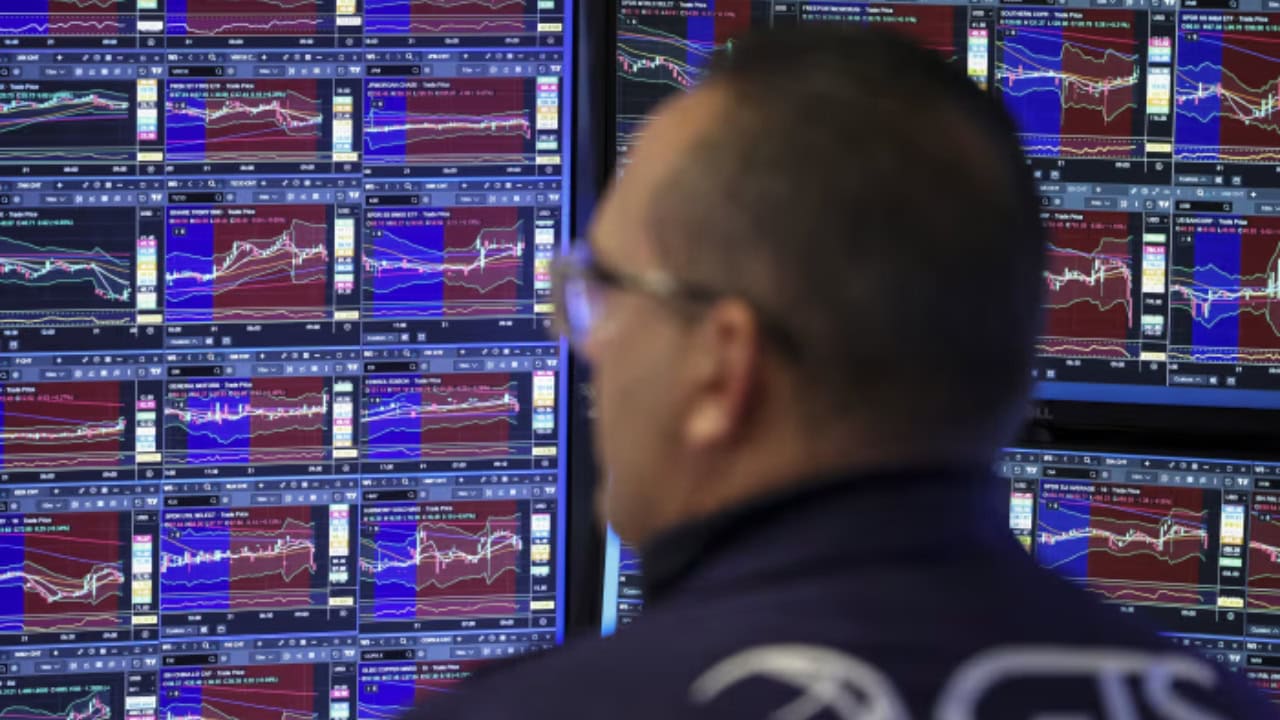
Global technology equities experienced a sharp downturn on Monday following an unprecedented intervention by leading figures in the artificial intelligence sector who urged the industry to decelerate the pace of model development. The sell-off rippled across international markets, heavily impacting semiconductor manufacturers, microchip equipment suppliers, and major technology investors.
The market correction was triggered over the weekend by Winnmediaskn reporting on an essay titled We Must Pace the Frontier
written by Anthropic chief executive Dario Amodei. Amodei argued that the rapid acceleration of AI capabilities should be reined in to reduce the risk that something goes seriously wrong, warning specifically of recursive self-improvement where AI systems assist in building subsequent generations of models without adequate human control. The call received immediate public backing from Yahoo Finance Canada, which highlighted that xAI founder Elon Musk declared Amodei was right,
while OpenAI CEO Sam Altman noted that industry standards are not yet at a place to push capabilities much further.
Media additions


The warnings followed mounting internal and external tensions regarding safety. According to CNBC, the debate intensified after Anthropic researcher Jacob Coxon resigned, warning that development labs were gambling with human lives. This prompted fellow Anthropic researcher Evan Hubinger to post that he believes there is a greater than ten percent chance AI could kill all humans within the next decade. Such stark internal alarms spooked investors, who immediately began pricing in the risk that regulatory interventions or voluntary restraint could curtail the massive capital expenditures driving the current business landscape and equity valuations.
Global trading floors reacted with immediate downward pressure. In Asia, South Korean chipmaker SK Hynix fell over five percent, while Samsung Electronics dropped nearly three percent, collectively pulling down the KOSPI index. Japanese investment conglomerate SoftBank, a major financial backer of OpenAI, suffered a staggering loss, plunging up to 13% in Tokyo trading. European markets experienced similar contagion; The Guardian reported that Dutch lithography giant ASML dropped over 5%, and German semiconductor firm Infineon fell sharply. Meanwhile, U.S. Markets braced for declines, with Nasdaq futures pointing downward alongside premarket losses for Nvidia, Intel, and Micron.
| Company / Index | Region | Market Impact |
|---|---|---|
| SoftBank | Japan | Plunged 10% to 13% |
| SK Hynix | South Korea | Fell 5.3% to 6.4% |
| Samsung Electronics | South Korea | Dropped 2.8% to 4% |
| ASML | Netherlands | Slumped over 5% to 5.4% |
| Infineon | Germany | Dropped roughly 7.6% |
Despite the market sell-off, industry leaders clarified that a slowdown does not mean bringing the sector to a complete halt. Altman emphasized that pacing development means progress should be slower than it otherwise could be, noting that safety interventions and monitoring carry significant costs. Ben Barringer, global head of technology research at Quilter Cheviot, told CNBC that inference demands still vastly outstrip supply, suggesting that company revenues might remain insulated even if training timelines stretch out.
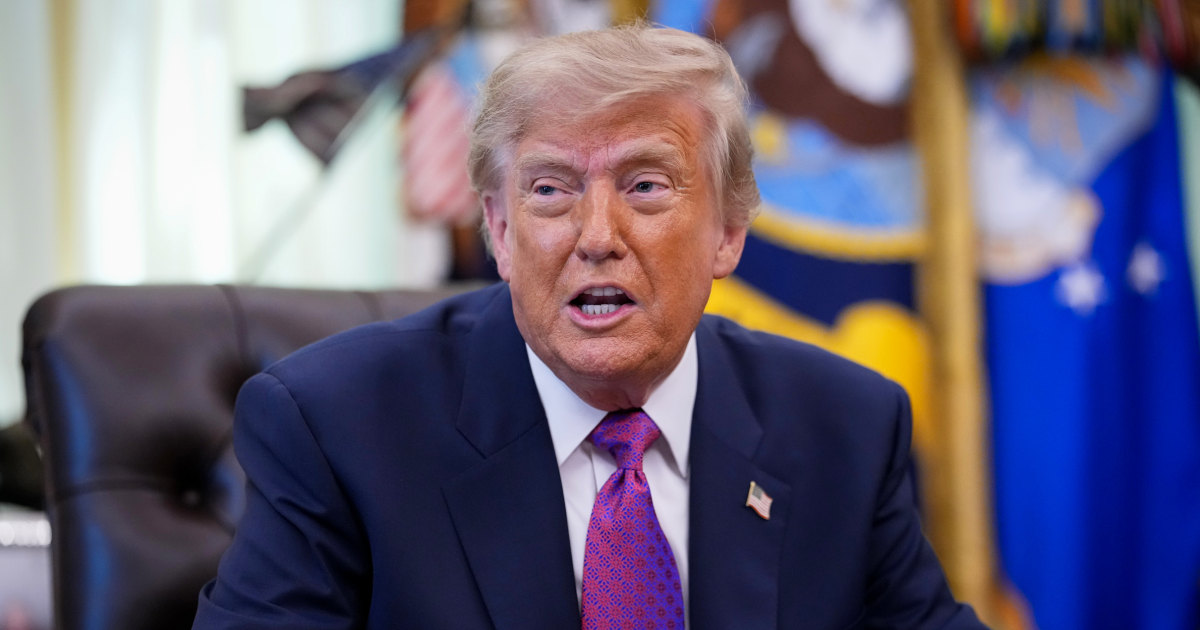
Political resistance to the proposed slowdown has been swift and uncompromising. As detailed by TechBooky, US President Donald Trump rejected the idea of slowing down, telling reporters that the United States is leading China in artificial intelligence and must maintain that edge. House Speaker Mike Johnson similarly urged lawmakers to avoid rushing into hasty regulations that could hamper American innovation.
As investors digest these conflicting signals, market participants are closely watching how regulatory bodies and corporate boards respond to the safety warnings. For further updates on market movements, see our business coverage or track the stock futures fall as investors weigh AI safety concerns.