Trump comments on Irish unity show debate is ‘very much alive’: Michelle O’Neill
Northern Ireland's Michelle O’Neill stated that recent remarks by US President Donald Trump show the debate on Irish unity is very much alive.

Northern Ireland’s First Minister Michelle O’Neill has declared that the debate on Irish unity is very much alive
, pointing to recent remarks by US President Donald Trump as evidence of growing international engagement in the constitutional future of the United Kingdom. Her intervention arrived alongside a coordinated push by nationalist leaders across Scotland, Wales, and Northern Ireland who gathered to challenge the authority of Westminster.
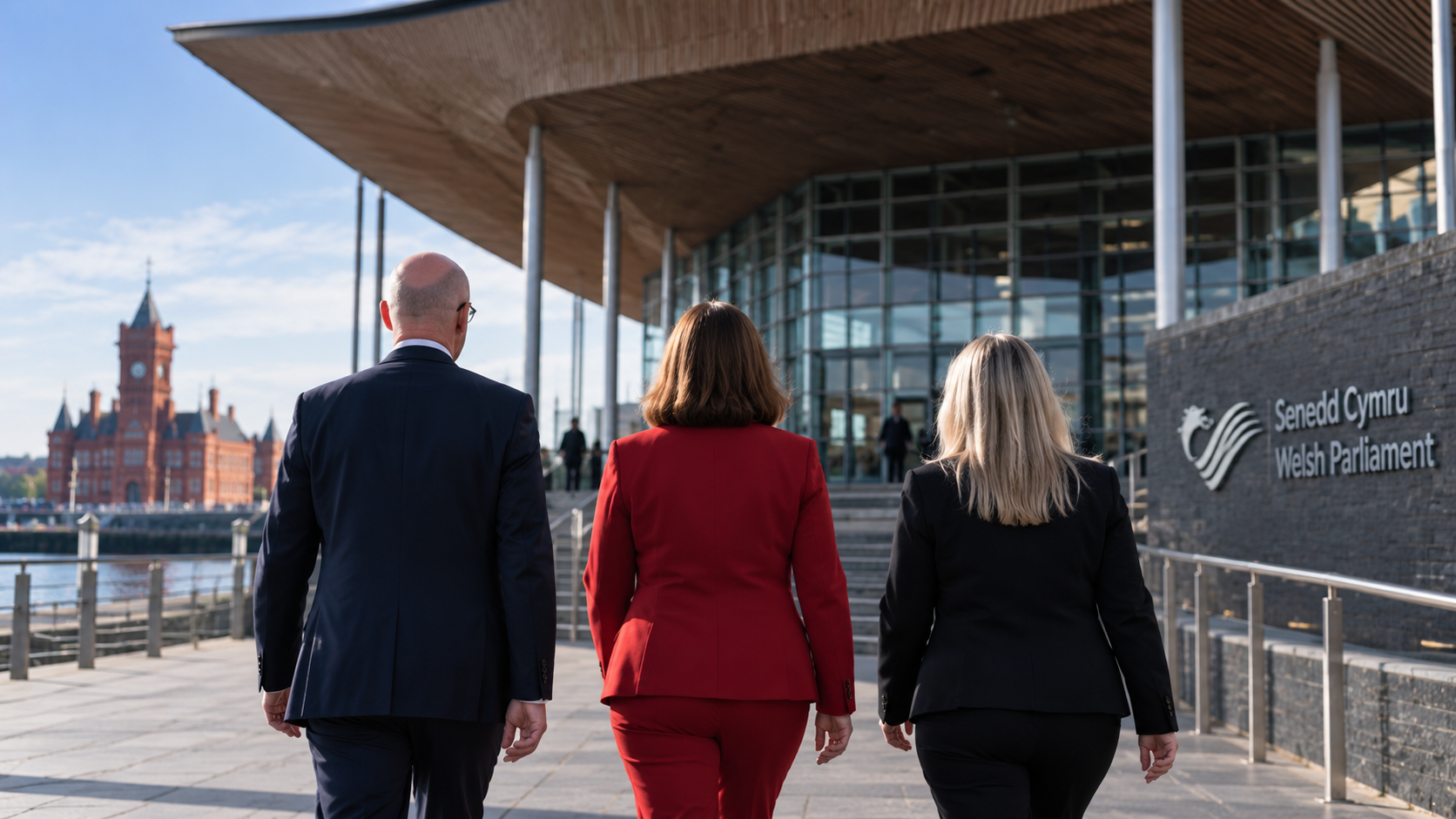
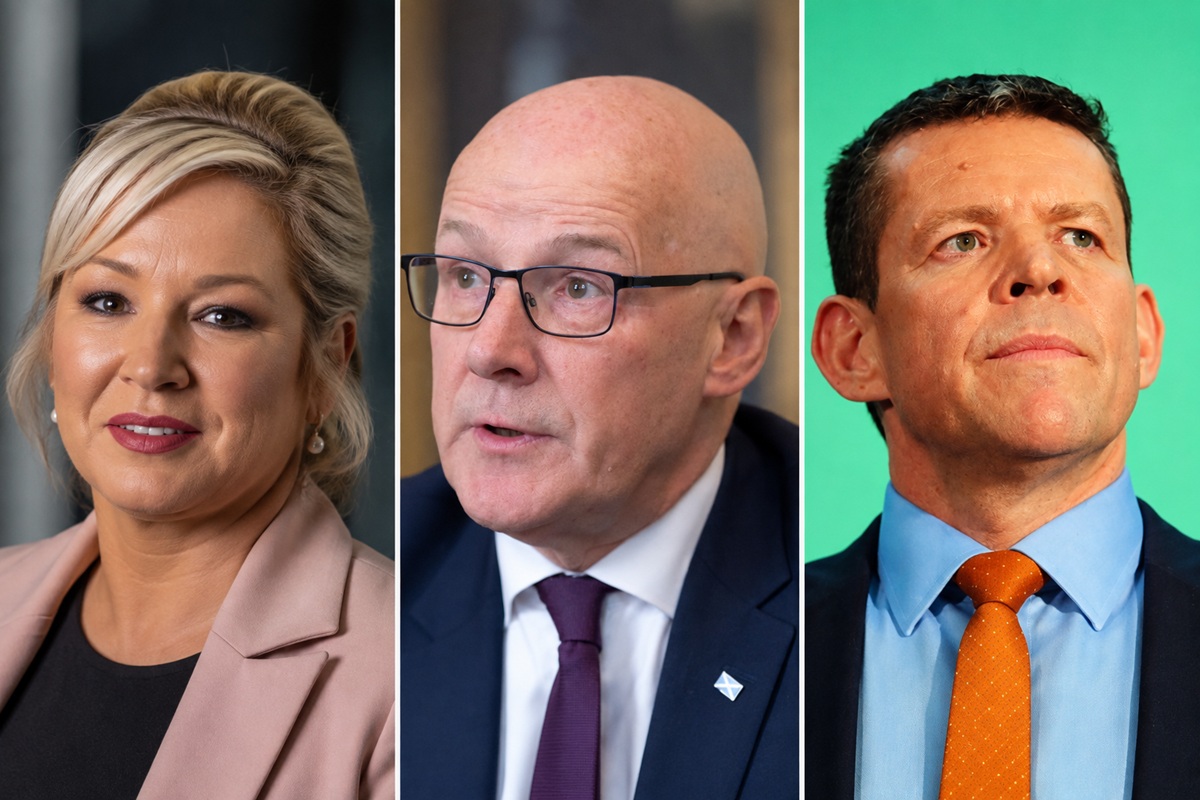
The political landscape across the devolved nations shifted significantly as leaders from the SNP, Plaid Cymru, and Sinn Féin convened in Cardiff on Monday morning, 14 September 2026. According to reporting by The Standard, the memorandum of understanding was signed by SNP leader John Swinney, Plaid Cymru leader Rhun ap Iorwerth, and Sinn Féin vice president Michelle O’Neill, alongside Sinn Féin president Mary Lou McDonald, who leads the opposition in the Irish Dáil.
The timing of the separatist summit coincided with international turbulence sparked by the US president. During a visit to Ireland over the weekend, Mr Trump told the Press Association that he would love to see Ireland unified and added that it is going to happen eventually, later doubling down on the assertion by calling it one of the naturals of all time
despite subsequent diplomatic pushback.
Asked about those comments during a joint press conference, Ms O’Neill argued that the American leader’s intervention demonstrated how far thinking has evolved internationally. According to Daily Mail coverage, she described unification as the big prize
for her people, marking the end of partition and a new beginning in a new Ireland.
The joint agreement signed by the party leaders asserts that for the first time, all three devolved administrations feature first ministers committed to breaking away from the United Kingdom. The document calls on the British government to prepare for, plan, and facilitate constitutional change in each jurisdiction, while rejecting Whitehall's economic model and stating an ambition for their respective nations to reside inside the European Union.
Friction was immediate, however, regarding the capacity in which the leaders attended the summit. The DUP joint head of the Stormont power-sharing Executive, Emma Little-Pengelly, accused Ms O’Neill of attempting to weaponise her office. In a social media statement cited by the Daily Mail, Ms Little-Pengelly stated that her counterpart travelled without permission, held no authority to represent the First Minister role at the summit, and lacked any mandate to sign agreements in that capacity.
Unionist opposition was echoed by the Conservative Party. Harriet Cross, the Conservative shadow secretary of state for Scotland, dismissed the gathering as a blatant distraction from domestic priorities such as education and the economy. Ms Cross stated that Mr Swinney appearing alongside the leader of Sinn Féin would anger many Scots who remember the Troubles.
Meanwhile, Mr Swinney pressed ahead with demands for a Scottish vote, insisting that the Scottish people are entitled to decide their own future despite what he termed obstruction from the UK Government. He demanded a new referendum within five years and claimed that the current premier would serve as the final prime minister of the Union.
Plaid Cymru leader Rhun ap Iorwerth acknowledged that the people of Wales will set their own timescale when persuaded, noting that his role is to lead and listen rather than dictate the timeline. Ms McDonald described the pact as historic, marking a moment where the parties collectively assert their right to decide their futures.
What to Watch Next
- Further reaction from Downing Street regarding the joint memorandum of understanding signed by the nationalist parties.
- Internal fallout within Northern Ireland's power-sharing administration at Stormont following Ms Little-Pengelly's formal rebuke of Ms O’Neill.
- Development of the proposed economic and energy cooperation frameworks outlined by the SNP, Plaid Cymru, and Sinn Féin.