BRICS declaration links Middle East security with trade and energy
BRICS leaders concluded their New Delhi summit by adopting a unanimous joint declaration linking Middle East security directly to global trade and energy flows.
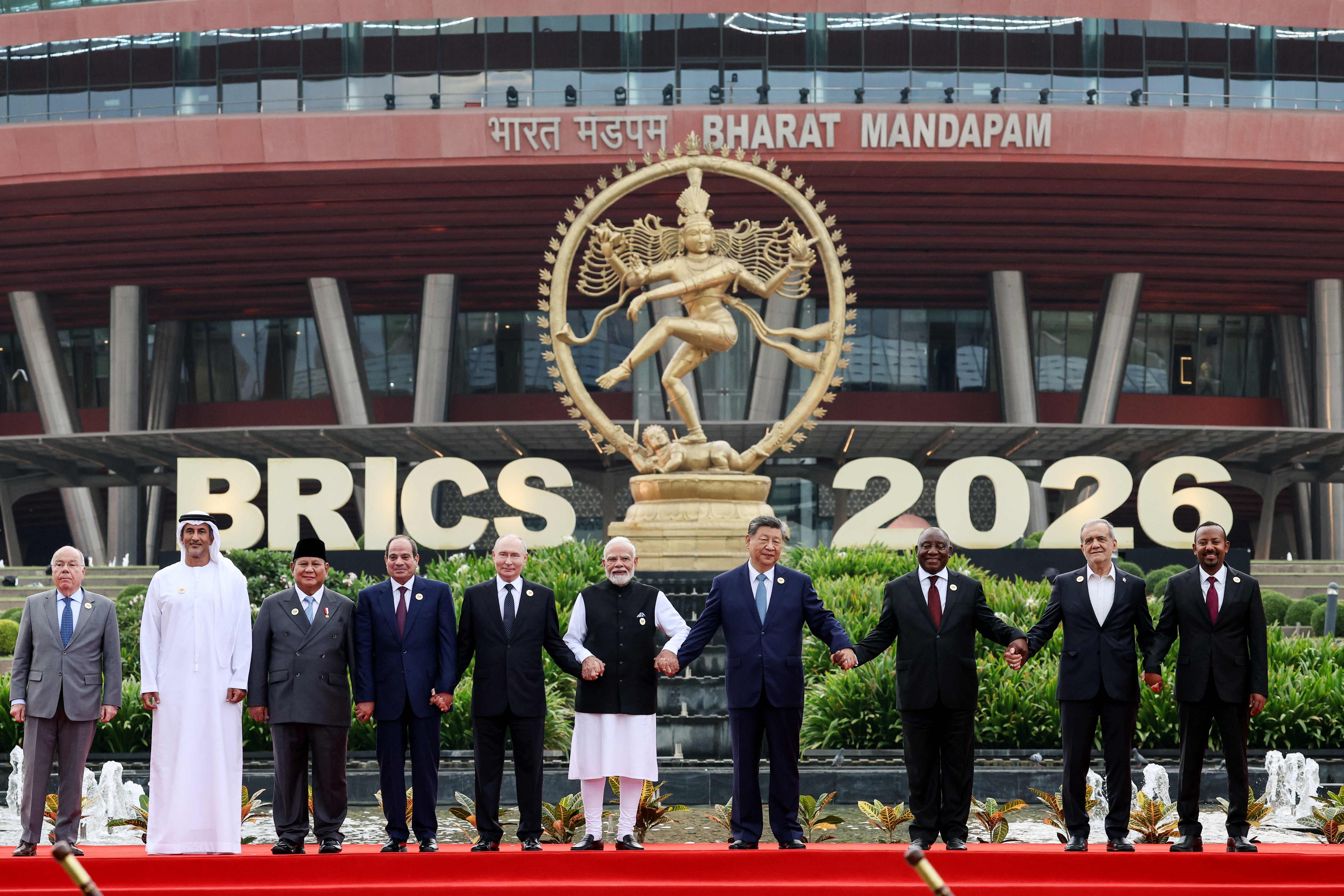
BRICS leaders adopted a unanimous joint declaration in New Delhi linking regional security in the Middle East with the uninterrupted flow of global trade and energy, bridging severe internal divisions as the expanded bloc concluded its annual summit on Sunday, 13 September 2026. According to Qazinform News Agency reporting via Jiji Press, the document addresses direct threats to civilian infrastructure and outlines shared positions on sanctions, tariffs, and cross-border payment mechanisms.
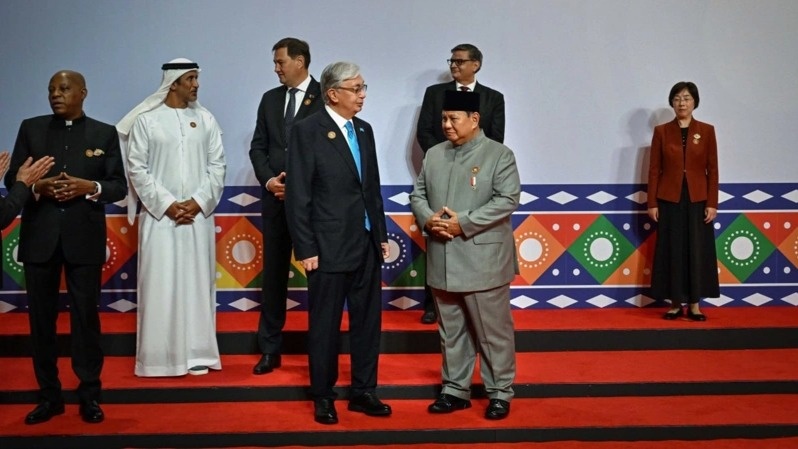
The two-day summit, hosted by Indian Prime Minister Narendra Modi, brought together leaders from an expanded eleven-member grouping that now represents approximately half of the world's population. Alongside Modi, attendees included Chinese President Xi Jinping, Russian President Vladimir Putin, and Iranian President Masoud Pezeshkian.
Media additions
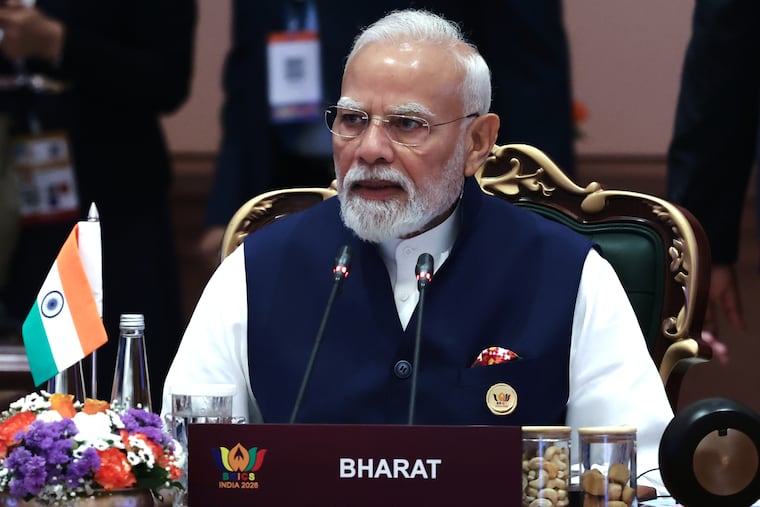


Diplomatic maneuvering centered heavily on the Middle East, where ongoing conflicts involving the United States, Israel, and Iran have strained international shipping lanes and energy markets. Al Jazeera reported that a subsequent meeting of foreign ministers in May ended without consensus. Intensified negotiations led by India successfully secured a compromise text. The resulting declaration expresses deep concern over escalating tensions, urges maximum restraint, and warns against deliberate attacks on civilian infrastructure—specifically nuclear facilities under International Atomic Energy Agency safeguards—while opposing unilateral sanctions and unauthorized coercive economic measures.
A major diplomatic breakthrough unfolded on the summit's sidelines. According to The Siasat Daily, Iranian President Masoud Pezeshkian and Abu Dhabi Crown Prince Sheikh Khaled bin Mohamed bin Zayed Al Nahyan agreed to turn the page on tensions arising from the US-Iran conflict that escalated in February. Pezeshkian stated that Iran maintained no grievances against regional neighbors or the United Arab Emirates, directing his administration's objections instead toward American military installations stationed within host nations. The high-level contact follows months of suspended trade and financial exchanges between Tehran and Dubai.
| BRICS Summit Metric | Details Reported in Coverage |
|---|---|
| Summit Dates | 12 September – 13 September 2026 |
| Host Nation & Leader | India, Prime Minister Narendra Modi |
| Bloc Membership Size | 11 member states, alongside 10 partner countries |
| Bilateral Milestone | First visit by Xi Jinping to India since 2019 |
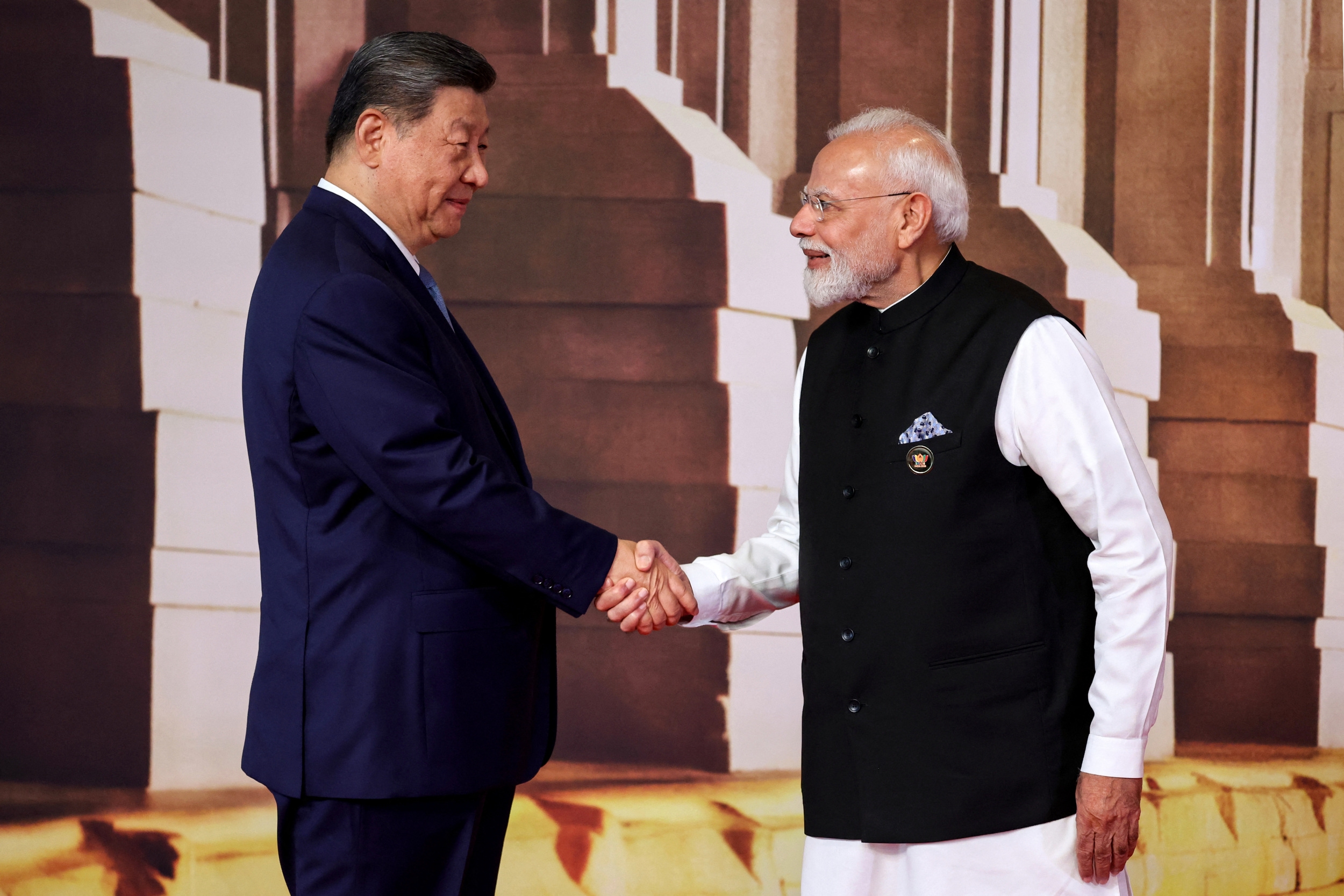
Economic and technological integration formed the cornerstone of Beijing's agenda. Headline News Greater Network (Hngn) noted that Chinese President Xi Jinping used his address on Sunday to unveil the Greater BRICS Initiative, a framework designed to foster an integrated market across emerging economies. Xi proposed establishing a BRICS AI Open Source Zone to encourage cooperation on large language models and training ecosystems, alongside a Special Economic Zone partnership and an upcoming service trade forum.
Concurrently, Pakistan Today highlighted that Xi's visit marked his first trip to India in seven years, signifying a cautious political thaw following the 2020 border clashes in the Galwan Valley. Indian and Chinese officials confirmed a shared commitment to pursuing a fair, reasonable, and mutually acceptable resolution to their enduring boundary dispute. However, local tensions persisted outside the venue, where Tibetan exiles demonstrated against the Chinese delegation's arrival.
Indian leadership maintained a distinct strategic balance throughout the proceedings. In his closing remarks, Prime Minister Modi cautioned that the weaponization of technology and critical minerals threatens shared prosperity, urging member states to translate agreements into time-bound action.
As the summit concluded, the rotating chairmanship was officially prepared for handover to Beijing ahead of the 2027 meetings. Observers note that while China and Russia view the bloc as a vehicle for multipolar geopolitical balance, India continues to prioritize strategic autonomy and multi-alignment across Western and Eastern partners alike.