Hampshire strawberry industry history explored via rail boom and heritage
The 19th-century rail network transformed Hampshire into a commercial berry hub, leaving an agricultural legacy that survives through modern heritage.
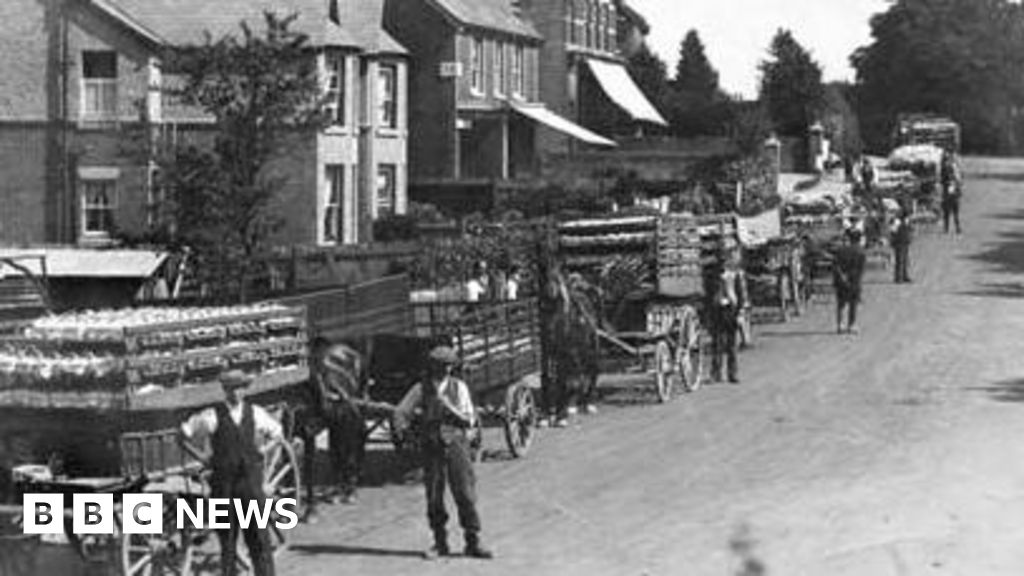
- Core Development: The 19th-century rail network transformed Hampshire into a commercial berry hub, leaving an agricultural legacy that survives through modern heritage.
- Beat Context: Categorized under Business with independent corroboration.
- Reporting Depth: 3 minute analytical read synthesized from verified newsroom sources.
Hampshire’s identity remains tethered to the strawberry, a legacy forged in the soil of the south coast and the reach of the 19th-century rail network. While the county’s position as a commercial titan of the berry trade faded following the Second World War due to international competition, the cultural and agricultural footprint of the industry continues to define local heritage.
The "Strawberry Coast" — stretching through villages such as... Botley, and Swanwick — became a hub of intense agricultural activity toward the end of the 19th century. According to the BBC, the industry’s rise was largely facilitated by farmer Lewis Linn, who arrived in the area in the late 1880s. Linn identified that the local soil offered superior drainage and ample sun, factors that made the region ideal for cultivating early summer crops.
Media additions


The development of the railways transformed these rural outposts into essential transit points. The trackstothepast.com archive notes that the London and South Western Railway opened stations specifically to move the harvest to Covent Garden and provincial markets. By the early 20th century, Swanwick station had become one of the busiest in the country, not for passenger travel, but for the movement of fruit.
The scale of this logistical operation was immense. Early-morning "strawberry specials" carried goods across the country, reaching as far as Edinburgh and Aberdeen. The labor-intensive nature of the industry was such that it altered the rhythm of village life, even impacting local education. Records from 1880 held in the Hampshire Archives detail a letter from a Titchfield schoolmaster noting that nearly one-third of the students were absent during the harvest, with the schoolmaster explicitly citing strawberry picking
as the reason for the absenteeism.
Heritage and Continuity
Although the commercial boom concluded as imported berries became more accessible and cost-effective, the tradition survives through pick-your-own (PYO) attractions and local heritage trails. Modern growers, such as the Goodall family near Lymington, have maintained operations for over 100 years. Brian Goodall, a fourth-generation grower, notes that the coastal proximity and high light intensity continue to provide an advantage for English early strawberries, despite the challenges of late-season frosts.
These surviving farms now function as centers of community history:
- Goodalls Strawberries, Lymington: This site offers a link to the early days of Hampshire’s commercial growing.
- Bourne Valley PYO, St Mary Bourne: Features extensive fruit varieties, catering to families.
- Pickwell Farm, Southampton: A long-standing destination for seasonal picking.
- Durleighmarsh Farm Shop: Offers a variety of seasonal fruit alongside strawberries.
The industry's legacy is also embedded in the local landscape and culture. Walking routes, such as the Strawberry Trail, allow visitors to retrace the paths once taken by carts traveling to the railway. Meanwhile, the names of heritage varieties, such as Royal Sovereign, Cambridge Favourite, and Vigour, are memorialized in local venues, including the Talisman and Sir Joseph Paxton pubs.
A Broader Connection
Hampshire’s strawberry history provides a stark contrast to the cultural phenomenon of "Strawberry Fields" in Liverpool. While the Hampshire story is one of industrial scale and rail logistics, the site in Liverpool, famously linked to John Lennon and the Beatles, has evolved from a children's home into a Salvation Army project focused on social action and tourism. The Liverpool site, which inspired the song "Strawberry Fields Forever," serves as proof of how place names and agricultural roots can influence cultural history, though it lacks the direct link to commercial fruit distribution seen in the Hampshire "Strawberry Coast."
What to Watch Next
While Hampshire farms generally prepare for a May-to-July window, growers advise that potential visitors verify harvest status ahead of travel, as modern crops remain highly dependent on temperature fluctuations and early-season weather patterns.
How significant is this development?
Contribute your assessment to the aggregated reader sentiment ledger.
Frequently Asked Questions
Key questions answered in this reportWhat is the key development in: Hampshire strawberry industry history explored via rail boom and heritage?
The 19th-century rail network transformed Hampshire into a commercial berry hub, leaving an agricultural legacy that survives through modern heritage.
Why is this Business development significant for the UK?
This report covers critical events in our Business beat. Independent reporting monitors related UK statements, regulatory shifts, and public responses as further verified details emerge.
How was this reporting corroborated and verified?
Newsarchy UK compiles and cross-references reporting from primary reporting from bbc.com and cross-checked wire reports. All coverage adheres to published editorial standards.
When was this report published?
This briefing was published on July 19, 2026 and is permanently cataloged in the Newsarchy UK Business archives.