Jaguar Land Rover to cut 4,000 jobs after profit slump
Jaguar Land Rover has launched a voluntary redundancy programme for salaried and management staff as part of a restructuring plan to save £1.7bn.
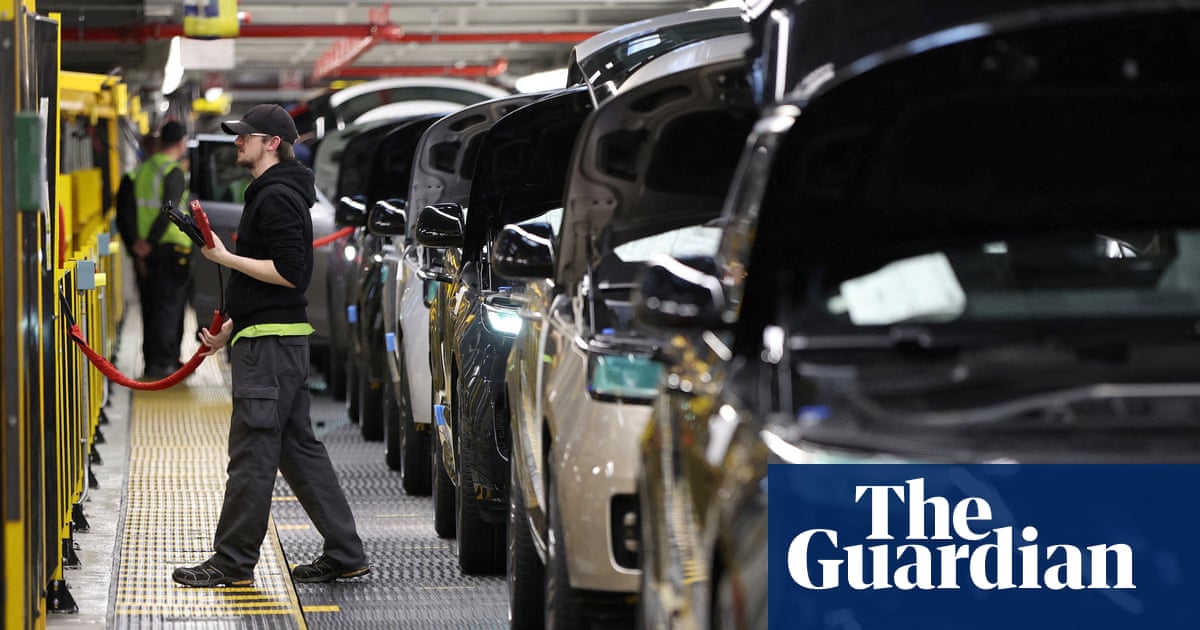
- Core Development: Jaguar Land Rover has launched a voluntary redundancy programme for salaried and management staff as part of a restructuring plan to save £1.7bn.
- Beat Context: Categorized under Business with independent corroboration.
- Reporting Depth: 4 minute analytical read synthesized from verified newsroom sources.
Jaguar Land Rover has announced plans to cut thousands of positions as part of a sweeping restructuring programme designed to fix slumping profit margins and secure the manufacturer's financial future amid mounting international trade pressures. Britain's largest car manufacturer informed its workers and trade union partners that the business is opening a voluntary redundancy programme aimed at salaried and management team members. The move marks a dramatic escalation in cost-cutting efforts at the automotive giant, which is owned by Indian conglomerate Tata Motors, following a painful convergence of falling sales, international tariffs, and a debilitating cyber-attack.
The company aims to achieve approximately £1.7bn in cost savings over the next two years, according to The Guardian, while lowering its break-even production point to 300,000 vehicles. While the Sunday Times and other outlets reported that as many as 4,000 jobs could go, a JLR spokesperson told BirminghamLive that specific redundancy numbers have not yet been officially confirmed. The uncertainty has left workers and local representatives scrambling for clarity across the manufacturer's British footprint.
Media additions

The urgency behind the cuts is underscored by recent financial disclosures. For the quarter ended 30 June 2026, JLR reported a 9.6% year-on-year revenue decline to £6bn, alongside a 68.9% plunge in pre-tax profit down to £109m, as detailed by Whalesbook. The company's adjusted EBIT margin slipped to 2.8% from 4% in the previous year. These figures follow an even more turbulent prior financial cycle that saw pre-tax profits plummet to just £14m—down from £2.5bn the year before—largely due to a cyber-attack that halted production for several weeks, cost roughly £200m, and caused a 27% drop in overall production.
External geopolitical and market forces have further compounded the carmaker's woes. North America represents 29% of JLR's sales and serves as its single largest market. However, trade policies enacted by Donald Trump, including a tariff on vehicle imports that was raised before settling at 10% for the UK, have severely impacted margins and disrupted long-term sales projections in the region. At the same time, the automotive industry faces stiff competition from lower-priced electric vehicle brands originating in China, alongside a slower-than-expected consumer uptake of electric vehicles and broader cost inflation.
JLR employs roughly 34,000 people across the UK while supporting a wider supply chain of approximately 120,000 British jobs. The potential losses have triggered alarm among regional and national politicians. West Midlands Mayor Richard Parker has engaged in discussions with Business and Trade Secretary Jonathan Reynolds regarding a potential support package, while Birmingham Erdington MP Paulette Hamilton expressed deep disappointment over the news, noting that the impact on local facilities like the Castle Bromwich plant remains unclear.
Labour leaders have pulled no punches regarding the state of the domestic automotive sector. Sharon Graham, the general secretary of the Unite union, told the BBC that the situation represents a "perfect storm" and described the steady erosion of employment as "death by a thousand cuts" under successive governments. Graham, alongside Business Secretary Jonathan Reynolds, is set to hold intensive talks with JLR chief executive PB Balaji next week to discuss mitigating the job losses. Meanwhile, the crisis at JLR coincides with broader turmoil across the global automotive landscape, highlighted by Volkswagen confirming massive job reductions totalling up to 100,000 roles this year.
| Metric / Factor | Reported Figure or Impact | Context |
|---|---|---|
| Target Savings | £1.7bn | To be achieved over the next two years to restore margins. |
| Potential Redundancies | Up to 4,000 jobs | Voluntary redundancy programme opened for salaried and management staff. |
| Break-even Point | 300,000 vehicles | New operational threshold targeted to build greater resilience. |
| Quarterly Revenue | £6bn (down 9.6%) | Financial performance for the quarter ended 30 June 2026. |
| Quarterly Pre-tax Profit | £109m (down 68.9%) | Highlighted by Whalesbook as a key driver for restructuring. |
| US Import Tariffs | 10% tariff rate | Impacts North American market, which accounts for 29% of JLR sales. |
The timing of the restructuring is particularly striking given JLR's simultaneous push into electrification. Just days before the redundancy announcement, the carmaker celebrated the rollout of its new Range Rover Electric, having upskilled some 9,000 employees at its Lode Lane plant in Solihull and dedicated around 1,500 workers in Wolverhampton to producing battery packs and electric drive units. However, the company has also been forced to adjust its rollout timelines elsewhere, recently delaying the launch of its all-electric Defender model by two years.
As the voluntary redundancy programme formally opens, attention turns to the forthcoming meetings between union leadership, government officials, and JLR executives. Further clarity on how many jobs will ultimately be lost, which specific sites will bear the brunt of the downsizing, and whether additional cost-saving measures will follow is expected to emerge in the coming days as management communicates further details directly to its workforce.
How significant is this development?
Contribute your assessment to the aggregated reader sentiment ledger.
Frequently Asked Questions
Key questions answered in this reportWhat is the key development in: Jaguar Land Rover to cut 4,000 jobs after profit slump?
Jaguar Land Rover has launched a voluntary redundancy programme for salaried and management staff as part of a restructuring plan to save £1.7bn.
Why is this Business development significant for the UK?
This report covers critical events in our Business beat. Independent reporting monitors related UK statements, regulatory shifts, and public responses as further verified details emerge.
How was this reporting corroborated and verified?
Newsarchy UK compiles and cross-references reporting from primary reporting from birminghammail.co.uk and cross-checked wire reports. All coverage adheres to published editorial standards.
When was this report published?
This briefing was published on September 6, 2026 and is permanently cataloged in the Newsarchy UK Business archives.