Kathy Hochul faces challenge boosting low approval despite budget wins
Governor Kathy Hochul is planning statewide events to highlight her budget’s impact as potential primary and general election challengers emerge. Despite securing key legislative wins, the governor faces ongoing skepticism from a divided electorate.
- Core Development: Governor Kathy Hochul is planning statewide events to highlight her budget’s impact as potential primary and general election challengers emerge. Despite securing key legislative wins, the governor faces ongoing skepticism from a divided electorate.
- Beat Context: Categorized under Business with independent corroboration.
- Reporting Depth: 3 minute analytical read synthesized from verified newsroom sources.
New York Governor Kathy Hochul is entering a critical phase of her administration, attempting to convert recent legislative victories into political capital as the 2026 election cycle approaches. Despite securing a $254 billion budget plan, the governor continues to face the dual challenge of low approval ratings and potential competition from within her own party and the Republican ranks.
The governor’s latest spending package, finalized after negotiations stretched nearly a month beyond the April 1 due date, addresses several high-profile public concerns. The budget includes measures to combat antisemitism, address random street crime, and provide updated protocols for the involuntary hospitalization of individuals struggling with mental illness who pose a public danger. These policies have drawn both praise and criticism; while supporters view the pivot to the center as a necessary response to voter anxieties, some left-leaning lawmakers expressed opposition to specific provisions, such as a crackdown on individuals who wear masks while committing criminal acts.
Media additions


According to former Governor David Paterson, Hochul demonstrated a more active, hands-on role during these negotiations than in previous cycles. Hochul said,
"Despite the chaos and uncertainty that's just constantly emanating out of Washington, we still delivered for the people of New York — we still got it done, and I would not take that for granted."
However, the governor’s electoral standing remains fragile. A recent survey conducted by Siena College found that 44 percent of voters hold a favorable view of the governor, while 43 percent do not. Nearly half of the electorate has expressed a desire for alternative leadership. State Democratic Chair Jay Jacobs is currently evaluating the need for a paid media campaign to connect these budget wins to the daily lives of voters.
Jacobs noted, adding,"What's important is we have some plan to get this out to people,"
"This truly was a great success on the part of the governor, and it would be a shame for people to not understand that."
The urgency to boost these numbers is compounded by potential primary challenges from Representative Ritchie Torres and Lieutenant Governor Antonio Delgado. Republicans are also preparing to contest the seat, with figures such as Elise Stefanik, Mike Lawler, and Nassau County Executive Bruce Blakeman reportedly weighing bids. Republican state Senator George Borrello has remained critical of the governor’s efforts, arguing that the budget fails to resolve fundamental quality-of-life concerns such as affordability and crime.
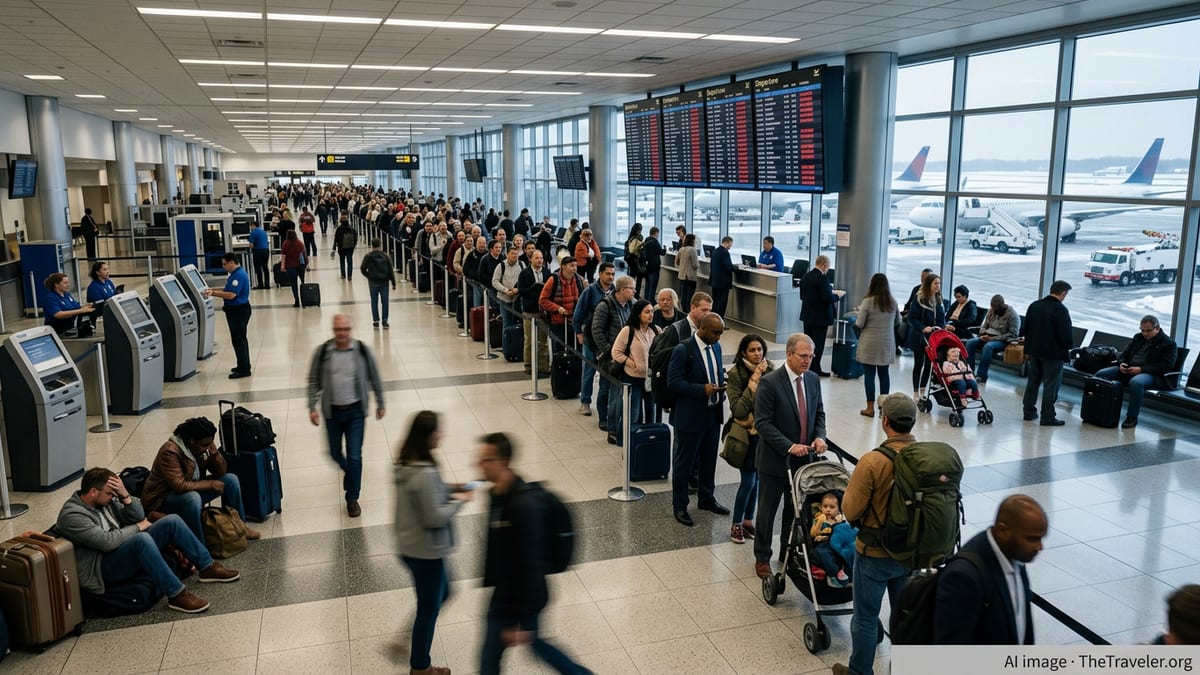
The year 2026 has been defined by systemic fragility in travel and infrastructure, ranging from a historic blizzard in February to ongoing fears regarding federal budget brinkmanship. Travel industry reports indicate that the 2026 landscape is marked by a convergence of shocks—including labor disputes, infrastructure bottlenecks, and cybersecurity threats—that have forced travelers to shift from long-term planning toward a wait-and-see approach to preserve their schedules and finances. Industry analysts note that for travelers in 2026, disruption is increasingly treated as a baseline possibility rather than an exception.
As summer approaches, the governor intends to conduct a series of statewide events to highlight the budget’s impact on child care and public safety. These events are intended to provide a narrative counter-balance to the challenges facing the state, aiming to build momentum before the primary process intensifies. Whether these legislative efforts will bridge the gap between the governor and a skeptical electorate remains a key variable for New York’s political trajectory as the 2026 midterms draw closer.
How significant is this development?
Contribute your assessment to the aggregated reader sentiment ledger.
Frequently Asked Questions
Key questions answered in this reportWhat is the key development in: Kathy Hochul faces challenge boosting low approval despite budget wins?
Governor Kathy Hochul is planning statewide events to highlight her budget’s impact as potential primary and general election challengers emerge. Despite securing key legislative wins, the governor faces ongoing skepticism from a divided electorate.
Why is this Business development significant for the UK?
This report covers critical events in our Business beat. Independent reporting monitors related UK statements, regulatory shifts, and public responses as further verified details emerge.
How was this reporting corroborated and verified?
Newsarchy UK compiles and cross-references reporting from primary reporting from cntraveler.com and cross-checked wire reports. All coverage adheres to published editorial standards.
When was this report published?
This briefing was published on July 13, 2026 and is permanently cataloged in the Newsarchy UK Business archives.