Meta lawsuit over teen social media addiction withdrawn days before trial
The plaintiff dropped his case against Meta without receiving any payment, shifting focus to ongoing state-level legal battles over platform safety.

- Core Development: The plaintiff dropped his case against Meta without receiving any payment, shifting focus to ongoing state-level legal battles over platform safety.
- Beat Context: Categorized under Business with independent corroboration.
- Reporting Depth: 4 minute analytical read synthesized from verified newsroom sources.
On July 22, 2026 a Florida teenager pulled the plug on a high‑profile lawsuit that was set to go before a Los Angeles jury the following week. The withdrawal leaves Meta as the sole defendant in a case that had been billed as a bellwether for thousands of similar claims, and it shifts the focus of the ongoing legal battle over the mental‑health impact of social platforms onto other fronts.
The plaintiff, identified only by the initials “R.K.C.”, had sued four major tech firms – Meta, Snap, ByteDance’s TikTok and Google’s YouTube – alleging that their apps fostered an addiction that triggered anxiety, depression and suicidal thoughts. The suit was positioned as a test case that could shape how companies design features such as infinite scroll and push notifications.
Media additions
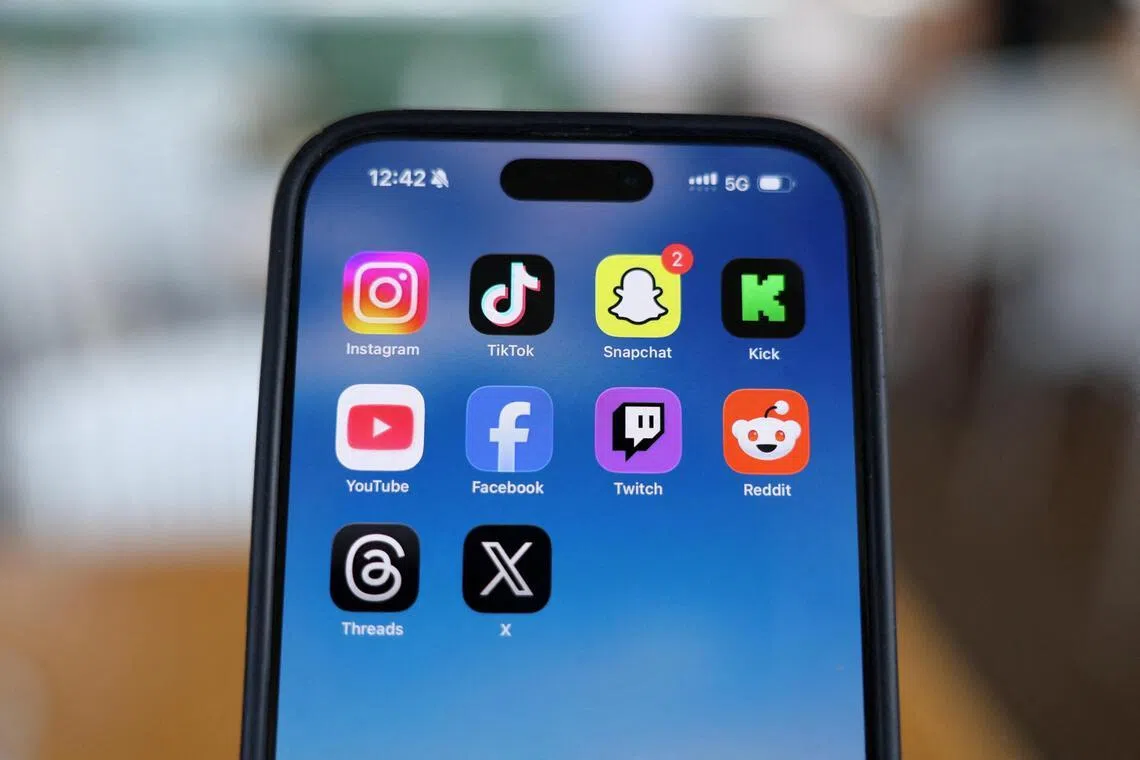
After Snap announced a tentative settlement on the eve of the trial, and YouTube and TikTok had already reached confidential deals in June, the teenager announced his decision to end the remaining claim against Meta. Attorneys Emily Jeffcott and Rahul Ravipudi said the move was motivated by “concerns about enduring a grueling weeks‑long trial” and a desire to “focus on his recovery and engage in therapy.”
“RKC came into this process wanting to hold social media companies accountable and push for changes to protect young people like himself. He did that.”
Emily Jeffcott, attorney, via Strait Times
Meta’s response echoed the language it has used in other recent filings. In a statement released the same day, the company said the plaintiff “chose to drop his case … without receiving any payment.” The spokesperson added, “The claims never held up, and this outcome makes clear that we will not back away from defending ourselves against baseless lawsuits.”
“Days after settling with other social media companies, the plaintiff dropped his case against Meta, the only remaining defendant, without receiving any payment.”
Meta spokesperson, via TechCrunch
While the immediate litigation has stalled, the financial and regulatory pressure on Meta continues to mount. Earlier in the year a New Mexico jury found the company liable for misleading consumers about platform safety, ordering a payment of $375 million. A separate March verdict in Los Angeles required Meta and Google to pay $6 million to a plaintiff who claimed the services contributed to her mental‑health decline.
State‑level actions are also accelerating. More than 30 states have filed lawsuits alleging similar harms, and a trial in Oakland, California, is slated for mid‑August 2026. In May, Meta, Snap, TikTok and YouTube reached confidential settlements with a Kentucky school district, averting a potential trial in the northern California city of Oakland.
Key dates in the bellwether saga
- March 15 2026 – Los Angeles jury awards $6 million to a plaintiff over platform addiction claims.
- June 10 2026 – YouTube settles with R.K.C.
- July 1 2026 – TikTok reaches a confidential settlement.
- July 20 2026 – Snap announces a tentative settlement.
- July 22 2026 – R.K.C. Withdraws his claim against Meta.
- July 27 2026 – The originally scheduled jury trial in Los Angeles is cancelled.
Business implications
The case’s collapse does not eliminate the broader exposure of Meta’s advertising and product‑design units. The $375 million verdict in New Mexico alone has already pressured the firm to re‑examine age‑verification mechanisms and notification settings.
Investors are watching the rollout of new safety features that Meta announced in early 2026, including stricter time‑limit controls and AI‑driven content moderation aimed at reducing compulsive use among minors. While the Business section has reported on the company’s earnings impact from litigation costs, the removal of a high‑visibility trial may temper short‑term volatility but does not erase the long‑run risk of regulatory sanctions.
Industry analysts note that the settlements with Snap, TikTok and YouTube could set a de‑facto pricing baseline for future deals, as companies opt to resolve claims rather than face potentially larger jury awards. The “confidential” nature of those agreements leaves the exact terms unknown, but the trend suggests a shift toward pre‑emptive risk management.
What to watch next
- Potential trial in Oakland, California, where a multi‑state coalition may seek a landmark ruling on platform‑design liability.
- Any further confidential settlements that could signal a broader industry strategy to contain litigation costs.
- Meta’s upcoming product updates announced at its official platform conference, particularly any changes to user‑engagement algorithms aimed at mitigating addiction claims.
- Regulatory hearings slated for later in 2026 by the Federal Trade Commission and state attorneys general, which may introduce new compliance standards for social‑media companies.
While the R.K.C. Lawsuit will not produce a courtroom precedent, its withdrawal marks the end of a carefully orchestrated test case that could have forced Meta to alter core design elements. The company now faces a series of state actions and a looming Oakland trial that together promise to keep the debate over social‑media addiction alive in boardrooms and courtrooms alike.
How significant is this development?
Contribute your assessment to the aggregated reader sentiment ledger.
Frequently Asked Questions
Key questions answered in this reportWhat is the key development in: Meta lawsuit over teen social media addiction withdrawn days before trial?
The plaintiff dropped his case against Meta without receiving any payment, shifting focus to ongoing state-level legal battles over platform safety.
Why is this Business development significant for the UK?
This report covers critical events in our Business beat. Independent reporting monitors related UK statements, regulatory shifts, and public responses as further verified details emerge.
How was this reporting corroborated and verified?
Newsarchy UK compiles and cross-references reporting from primary reporting from straitstimes.com and cross-checked wire reports. All coverage adheres to published editorial standards.
When was this report published?
This briefing was published on July 23, 2026 and is permanently cataloged in the Newsarchy UK Business archives.