Nasdaq tumbles into correction as midterm shift sparks AI selloff
The Nasdaq Composite tumbled into a technical correction following sweeping Democratic victories in the U.S. midterm elections, sparking fears of strict AI regulations.

- Core Development: The Nasdaq Composite tumbled into a technical correction following sweeping Democratic victories in the U.S. midterm elections, sparking fears of strict AI regulations.
- Beat Context: Categorized under Business with independent corroboration.
- Reporting Depth: 3 minute analytical read synthesized from verified newsroom sources.
The Nasdaq Composite tumbled into a technical correction on Thursday, November 5, 2026, dropping more than eleven percent from its record high set the previous month. The steep selloff erased trillions in market value as a sweeping victory by Democrats in the United States midterm elections sparked intense fears of stricter regulation and delays in artificial intelligence infrastructure expansion. Investors rushed to dump technology shares and semiconductor stocks, triggering widespread losses across global financial markets.
The sudden reversal caught Wall Street off guard following a brief rally earlier in the week. Analysts noted that the political shift in Washington alters the legislative landscape for technology firms, raising the prospect that newly empowered lawmakers and state officials will clamp down on power-hungry data centers. Peter Boockvar, chief investment officer at One Point BFG Wealth Partners, told CNBC that investors are actively questioning the vast capital expenditure previously forecast for the sector. Similar concerns about regulatory friction were echoed by Melissa Brown at SimCorp, who pointed out via the Fort Worth Star-Telegram that newly elected members of Congress and governors appear poised to decelerate the frantic pace of AI infrastructure development.
Media additions
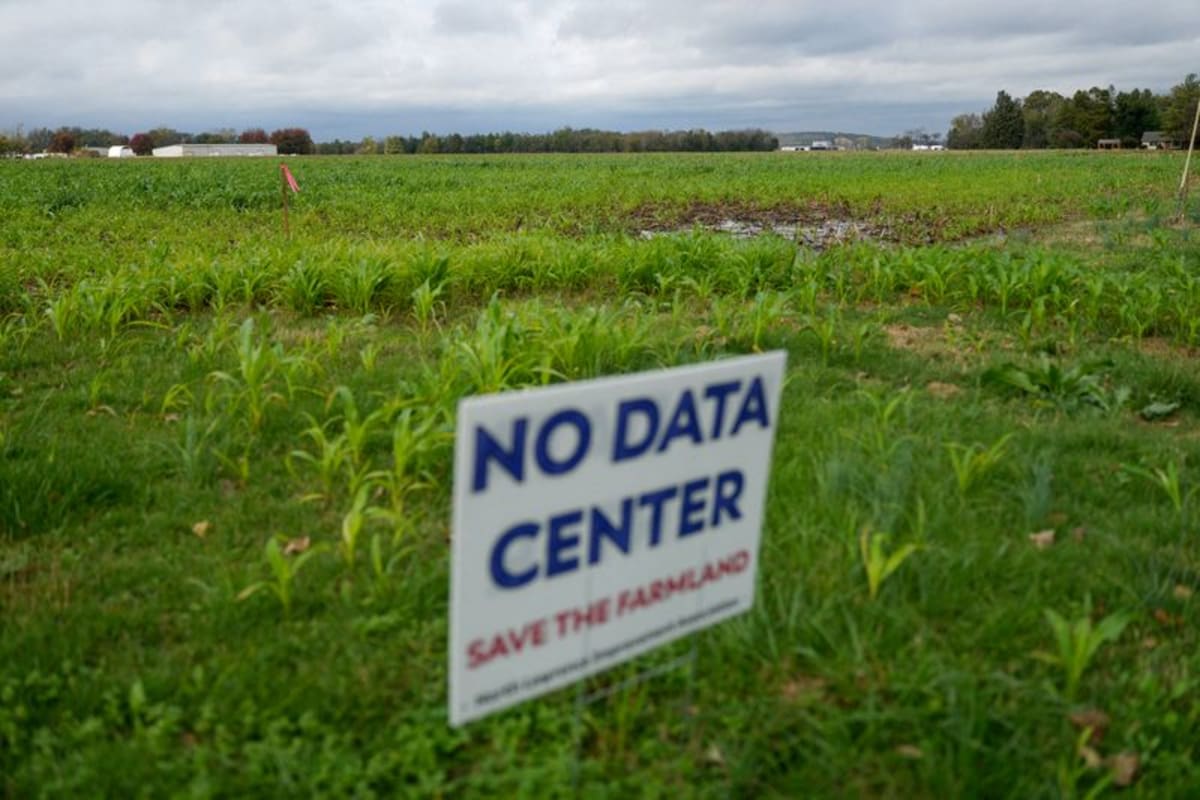
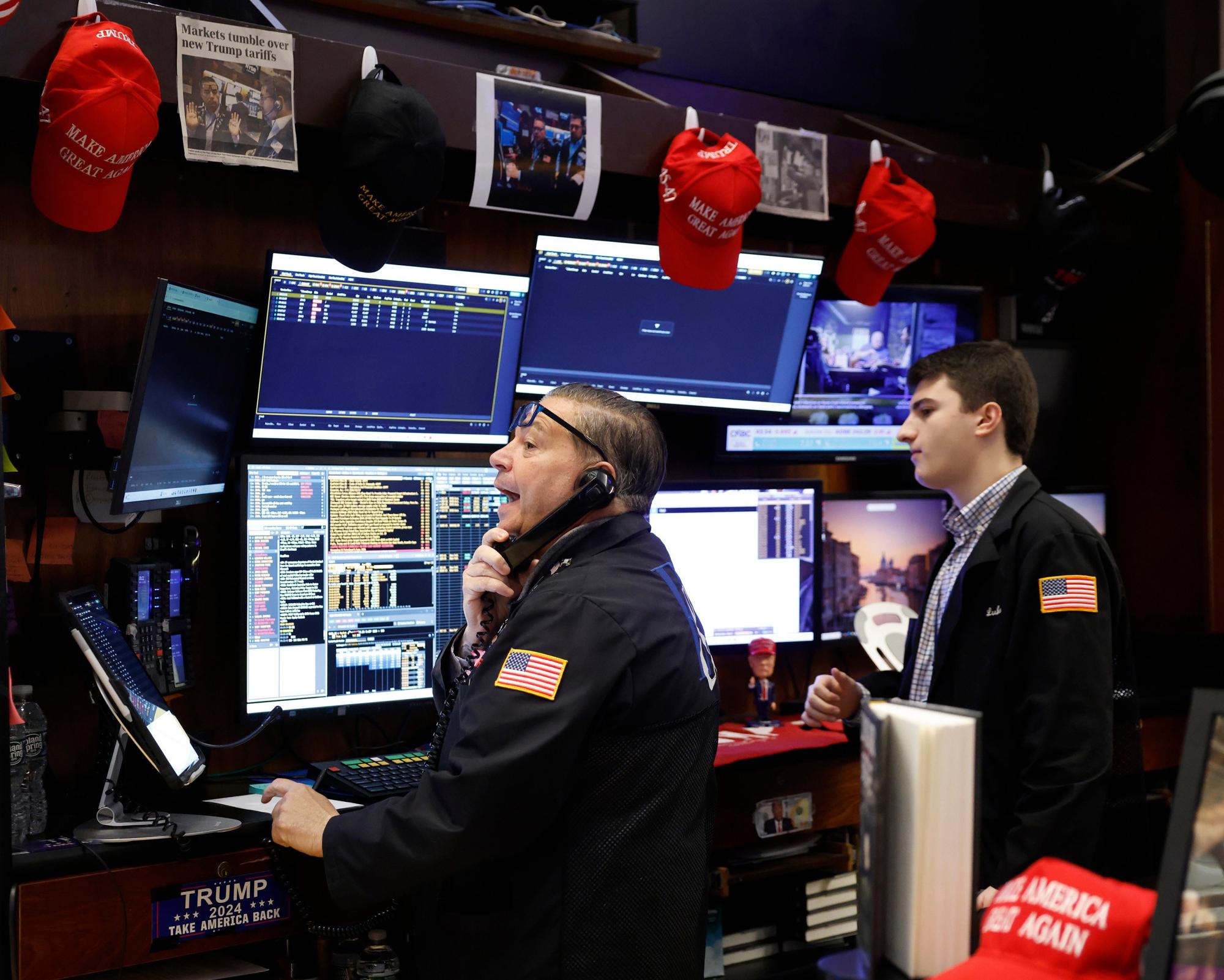
The impact was particularly severe for semiconductor manufacturers and smaller cloud computing firms known as neoclouds. According to reporting from Aol, UBS analysts estimated that roughly thirty percent of expected United States data center capacity additions could face construction pauses by the year 2028. Bruce Zaro of Granite Wealth Management highlighted through the same reporting that local opposition to energy-intensive and water-straining facilities will create a difficult permitting road ahead. These anxieties hit smaller infrastructure players hardest, with firms such as CoreWeave and Nebius Group experiencing sharp double-digit share price drops as their financing conditions tightened.
| Index or Asset | Performance Metric | Associated Market Impact |
|---|---|---|
| Nasdaq Composite | Down over 11% from October peak | Entered correction territory amid heavy tech dumping |
| Philadelphia SE Semiconductor Index | Plunged nearly 10% to 11.2% | Worst session decline since earlier market routs |
| Dow Jones Industrial Average | Dropped between 1,153 and 1,600+ points | Spillover selling affected non-AI industrial stocks |
| Volatility Index (VIX) | Jumped roughly 40% | Signaled surging panic and market volatility |
The contagion quickly spread beyond the tech sector. The Dow Jones Industrial Average dropped significantly, while the S&P 500 recorded widespread sector declines. Wall Street's fear gauge, the VIX, surged by approximately forty percent, reaching levels not seen since the early weeks of the Iran war, as reported by AOL.co.uk. Adding to the macroeconomic pressure, rising 10-year Treasury yields approaching five percent gave investors a compelling risk-free alternative to volatile equities, according to market commentary gathered by Yahoo Finance.
Despite the widespread panic, prominent economic figures urged caution against excessive pessimism. Mohamed El-Erian, chief economic adviser at Allianz, told Yahoo Finance that while the public backlash against the unbridled expansion of artificial intelligence serves as a timely warning—resembling past missteps in globalization—the stock market was overreacting to the midterm results. El-Erian remains bullish on the long-term potential of the technology, arguing that the economy is deeply dependent on tech-driven productivity and growth.
Other market strategists found selective silver linings within the carnage. Rob Sechan of Newedge Capital Group argued via CNBC that making new compute capacity harder to build actually enhances the value of existing infrastructure, pointing to robust cloud growth metrics as proof of ongoing capacity constraints rather than faltering demand. Larry Adam of Raymond James characterized the indiscriminate selling as a potential buying opportunity for long-term investors willing to look past short-term political noise.
Market participants now turn their attention toward upcoming economic data releases and central bank commentary. Traders are closely monitoring the United States October non-farm payrolls data scheduled for release, alongside signals from Federal Reserve officials regarding future interest rate adjustments.
How significant is this development?
Contribute your assessment to the aggregated reader sentiment ledger.
Frequently Asked Questions
Key questions answered in this reportWhat is the key development in: Nasdaq tumbles into correction as midterm shift sparks AI selloff?
The Nasdaq Composite tumbled into a technical correction following sweeping Democratic victories in the U.S. midterm elections, sparking fears of strict AI regulations.
Why is this Business development significant for the UK?
This report covers critical events in our Business beat. Independent reporting monitors related UK statements, regulatory shifts, and public responses as further verified details emerge.
How was this reporting corroborated and verified?
Newsarchy UK compiles and cross-references reporting from primary reporting from Fort Worth Star-Telegram and cross-checked wire reports. All coverage adheres to published editorial standards.
When was this report published?
This briefing was published on November 5, 2026 and is permanently cataloged in the Newsarchy UK Business archives.


