Oil prices stay near $100 per barrel amid depleted global reserves and shipping risks
International oil prices remain stuck near $100 per barrel despite emergency stock releases, driven by depleted global reserves and severe logistical bottlenecks in the Strait of Hormuz.
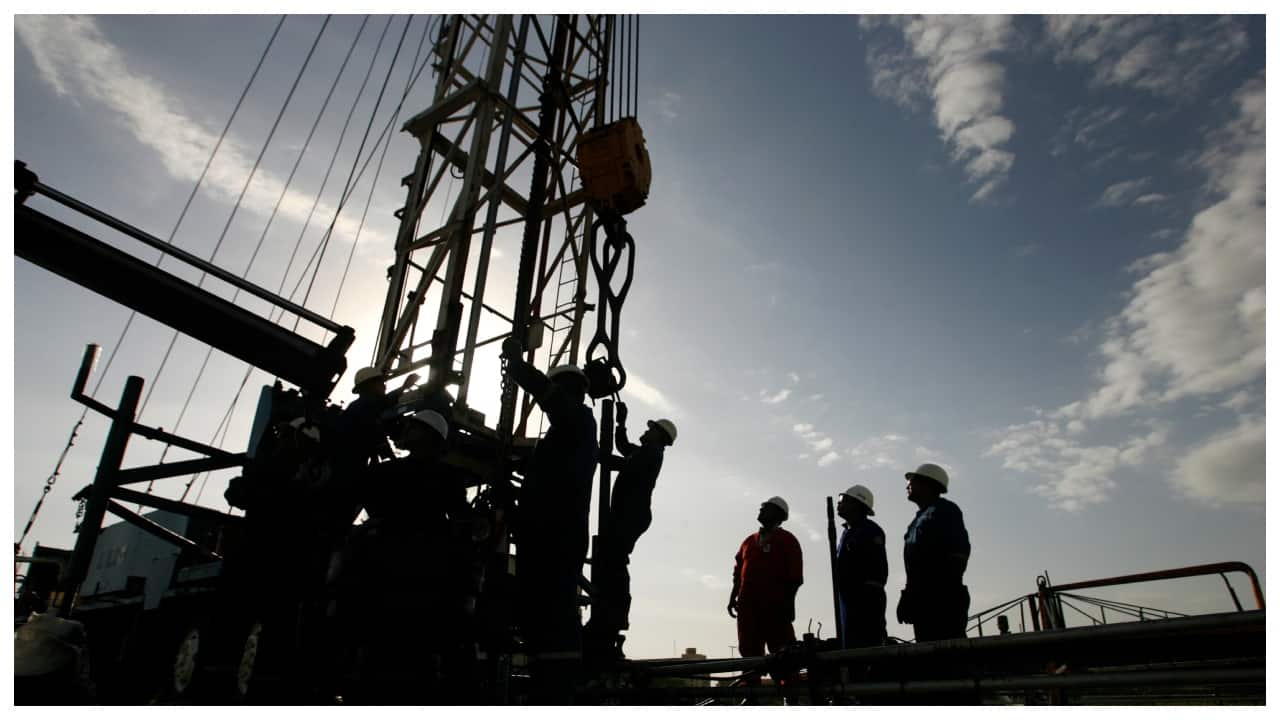
- Core Development: International oil prices remain stuck near $100 per barrel despite emergency stock releases, driven by depleted global reserves and severe logistical bottlenecks in the Strait of Hormuz.
- Beat Context: Categorized under Business with independent corroboration.
- Reporting Depth: 4 minute analytical read synthesized from verified newsroom sources.
International oil prices are holding near $100 per barrel, driven by severely depleted global reserves, ongoing logistical bottlenecks, and persistent shipping risks across vital Middle Eastern trade routes. Despite the return of crude flows from the region to levels near those seen before the United States attacked Iran, global markets remain stuck in a high-price environment roughly 40% higher than when the conflict began, according to reporting from Livemint and Moneycontrol. The persistent valuation continues to send shockwaves through the global economy, squeezing industries and consumers while keeping central bankers on alert over renewed inflationary pressures, which readers can track further via Business coverage.
The persistence of high crude prices has defied attempts by international authorities to cool the market. On Friday, the Group of Seven nations and their partners announced the release of as many as 100 million barrels of emergency oil and diesel stocks. This followed an admission by the International Energy Agency that the Middle Eastern conflict represents the largest supply disruption in the history of the global oil market, as reported by Crude Oil Prices Today | OilPrice.com. The IEA announced plans to release a total of 400 million barrels of crude, with the United States contributing 172 million barrels from its Strategic Petroleum Reserve. Yet traders remain unconvinced that emergency releases solve the underlying structural deficits.
Media additions
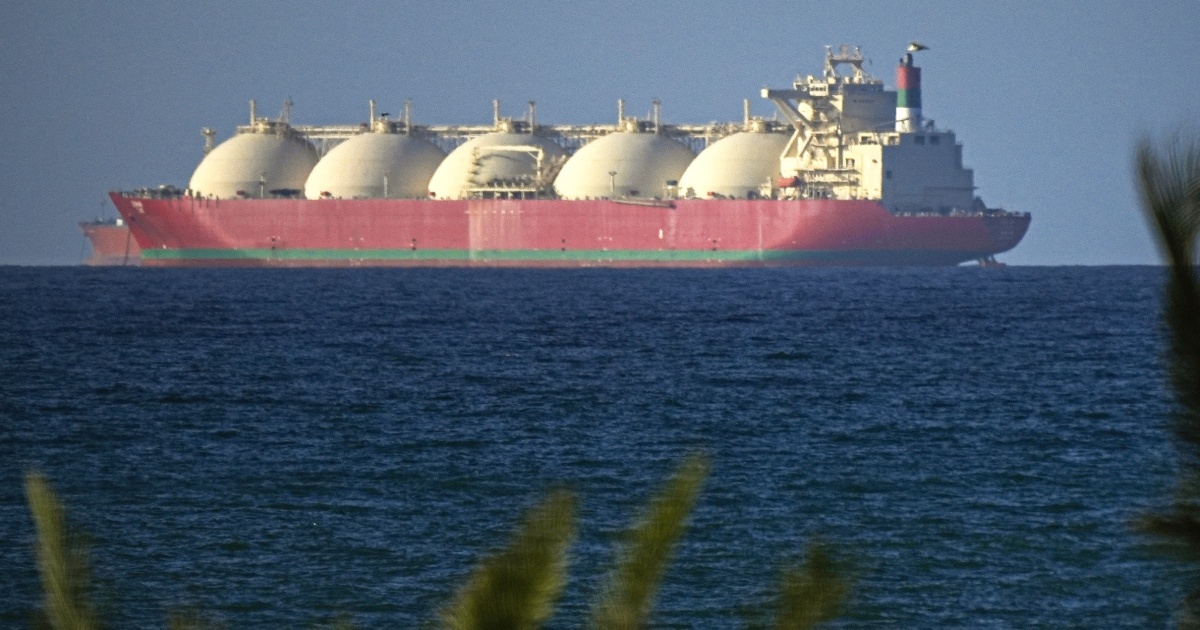


As Livemint notes, global stockpiles have dropped to approximately 4.3 billion barrels, reflecting a decline of more than 400 million barrels since March. At the same time, global demand has recovered to about 104.8 million barrels per day. Haris Khurshid, chief investment officer at Karobaar Capital LP, explained that losing supply, drawing down inventories, and disrupting the refining capacity required to manufacture products like diesel cannot be instantly fixed simply by getting oil moving again.
The primary bottleneck remains the Strait of Hormuz, through which roughly 20% of the world's oil passed prior to the outbreak of hostilities. Although a provisional ceasefire has been intermittently discussed and extended by U.S. President Donald Trump, shipping traffic through the crucial waterway remains tightly controlled and heavily reduced. According to data from NBC News, only a handful of bulk carriers managed to transit the strait in the initial days following truce announcements, a sharp drop from the prewar average of over 100 vessels daily. Iranian authorities have instituted a selective clearance system involving designated shipping lanes and warning maps, while demanding permissions and raising the specter of transit fees that Western nations and maritime bodies have strongly rejected.
Tanker rates have climbed to unprecedented heights, with costs exceeding $1.2 million a day to haul oil from the Persian Gulf to China, according to Livemint and Moneycontrol. Shipowners are reluctant to resume normal sailings due to acute security concerns, preferring to await technical clarity rather than relying solely on political assurances or proposed U.S. Navy escorts. Writing for CNBC, analysts noted that providing safe passage to hundreds of trapped tankers would require an extraordinary commitment of naval assets while active military operations continue in the region.
| Metric / Institution | Estimated Figure | Context & Source |
|---|---|---|
| Global Oil Inventories | 4.3 billion barrels | Down over 400 million barrels since March, per Energy Aspects via Livemint |
| Global Oil Demand | 104.8 million barrels/day | Recovered by 6.5 million barrels/day from wartime lows, per Energy Aspects via Livemint |
| Gulf Storage Buffer (Initial) | 343 million barrels | Represented roughly 22 days of storage buffer at war onset, per JPMorgan via DW |
| Strait of Hormuz Traffic | Fraction of normal volume | Prewar average over 100 vessels daily, dropping to single digits during ceasefires, per NBC News |
The prolonged closure of export corridors has pushed several Gulf producers to the brink of storage exhaustion. As DW reports, nations like Iraq have already enacted production cuts of around 1.5 million barrels per day after exhausting local storage capacity. Major exporters such as Saudi Arabia and the United Arab Emirates have attempted to bypass the Strait of Hormuz by rerouting crude through alternative pipelines and terminals on the Red Sea and the Gulf of Oman, though these alternative paths can only absorb a fraction of the normal volume.
What happens next depends entirely on diplomatic talks and the tangible resumption of transit through regional chokepoints. Until shipping lanes fully reopen, physical inventories clear out, and stranded tankers successfully complete their voyages, global energy markets will remain on edge.
How significant is this development?
Contribute your assessment to the aggregated reader sentiment ledger.
Frequently Asked Questions
Key questions answered in this reportWhat is the key development in: Oil prices stay near $100 per barrel amid depleted global reserves and shipping risks?
International oil prices remain stuck near $100 per barrel despite emergency stock releases, driven by depleted global reserves and severe logistical bottlenecks in the Strait of Hormuz.
Why is this Business development significant for the UK?
This report covers critical events in our Business beat. Independent reporting monitors related UK statements, regulatory shifts, and public responses as further verified details emerge.
How was this reporting corroborated and verified?
Newsarchy UK compiles and cross-references reporting from primary reporting from NBC News and cross-checked wire reports. All coverage adheres to published editorial standards.
When was this report published?
This briefing was published on October 4, 2026 and is permanently cataloged in the Newsarchy UK Business archives.