Oil Prices Surge Over $3 as Saudi Arabia, Strait of Hormuz Face New Attacks
Crude benchmarks experienced sharp gains after a wave of military strikes targeted Saudi energy infrastructure and shipping lanes in the Gulf.

Oil prices surged sharply following a compounding wave of military strikes targeting energy infrastructure in Saudi Arabia and commercial shipping lanes in the Gulf, compounding a global energy crisis driven by the ongoing conflict. The escalation triggered immediate upward pressure across major crude benchmarks, forcing market analysts to reassess supply vulnerabilities across critical maritime corridors.
According to Blockonomi reporting, Brent crude climbed significantly at market open, while U.S. West Texas Intermediate also registered notable gains. Aol noted that prices had initially jumped higher before settling, reflecting deep anxiety over supply risks originating from Saudi Arabia, widely recognized as the world's largest oil exporter. The disruption follows the precautionary shutdown of Saudi Arabia's major East-West pipeline after a drone strike originating from Iraq, as detailed by Finance.
Media additions
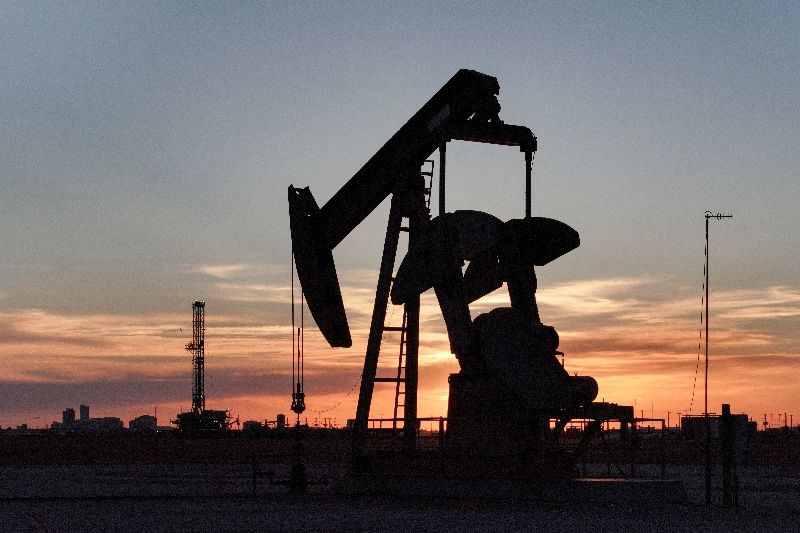

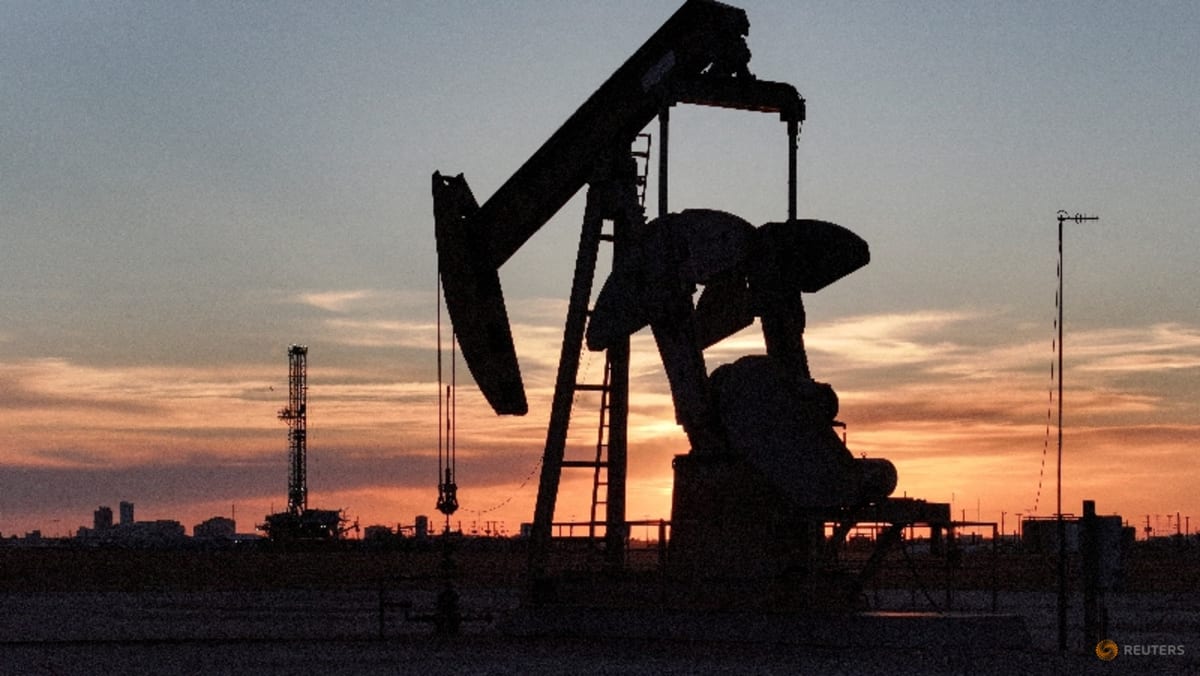
The East-West pipeline is capable of carrying millions of barrels of crude per day, linking production fields near the Persian Gulf to export terminals on the Red Sea coast. Its closure removes a crucial escape valve that had previously allowed exporters to bypass the heavily contested Strait of Hormuz. Alongside these pipeline woes, CNA reported that a vessel in the Strait of Hormuz was struck by a projectile over the weekend, causing a fire and forcing the crew to evacuate, as confirmed by the British maritime security agency UKMTO.
| Crude Benchmark | Price Movement | Percentage Change |
|---|---|---|
| Brent Crude | Surged past $107–$108 per barrel | Up over 2.7% to 3.4% |
| WTI Crude | Rose near $102–$103 per barrel | Up over 2.2% to 3.1% |
The security situation across the wider region has deteriorated on multiple fronts. Saudi state media released footage showing damage to homes and a mosque in the kingdom's southern Jazan province, attributing the attack to Houthi forces operating from Yemen. Furthermore, Whbl noted that joint operations involving the United States and Saudi Arabia targeted Iran-backed armed groups in Iraq following earlier drone attacks on Saudi energy infrastructure. Iran reported a separate maritime incident involving one of its own commercial vessels off its coast, resulting in casualties among the crew.
Diplomatic channels have faced severe friction amid the military escalation. A planned meeting in Oman between Gulf nations and Iran, intended to address security and navigation in the Strait of Hormuz, was postponed. Omani Foreign Minister Badr Albusaidi indicated that consensus could not be reached following the pipeline attack, and no new date has been set for the dialogue. Observers note that broader business coverage has tracked how persistent disruptions in the Middle East continue to ripple through international commodity markets, echoing inflationary pressures reminiscent of historical energy shocks detailed in broader Al Jazeera analyses.
Analysts watching the current trajectory warn that continued instability could drive crude prices toward previous yearly highs unless diplomatic pathways reopen or damaged infrastructure returns to service. For ongoing updates regarding energy market volatility, readers can consult specialized reports such as Oil surges above 100 dollars a barrel as US and Iran launch new attacks and Brent crude oil rises above $100 a barrel as Iran conflict intensifies.
What happens next depends heavily on whether repair timelines for the blocked pipeline can be established and if regional diplomatic talks can be rescheduled. Energy markets remain on high alert as military operations persist across the Gulf shipping lanes.