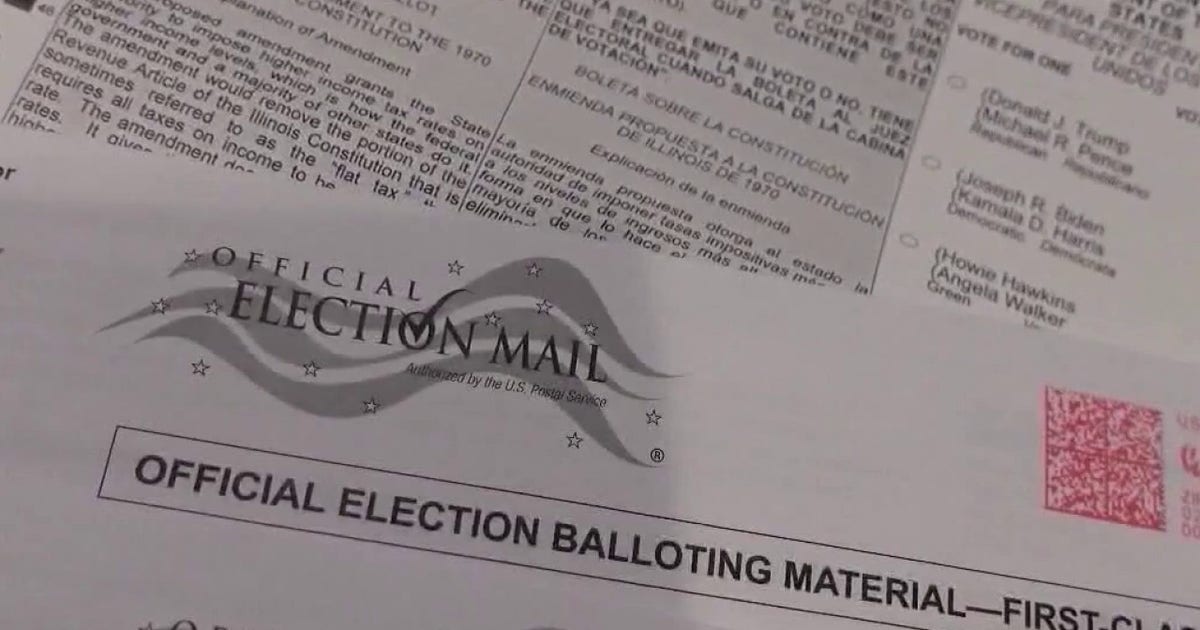
US voters head to polls in midterms to decide control of Congress
US voters are casting ballots in high-stakes midterm elections to determine control of the House and Senate amid economic anxiety and record spending.
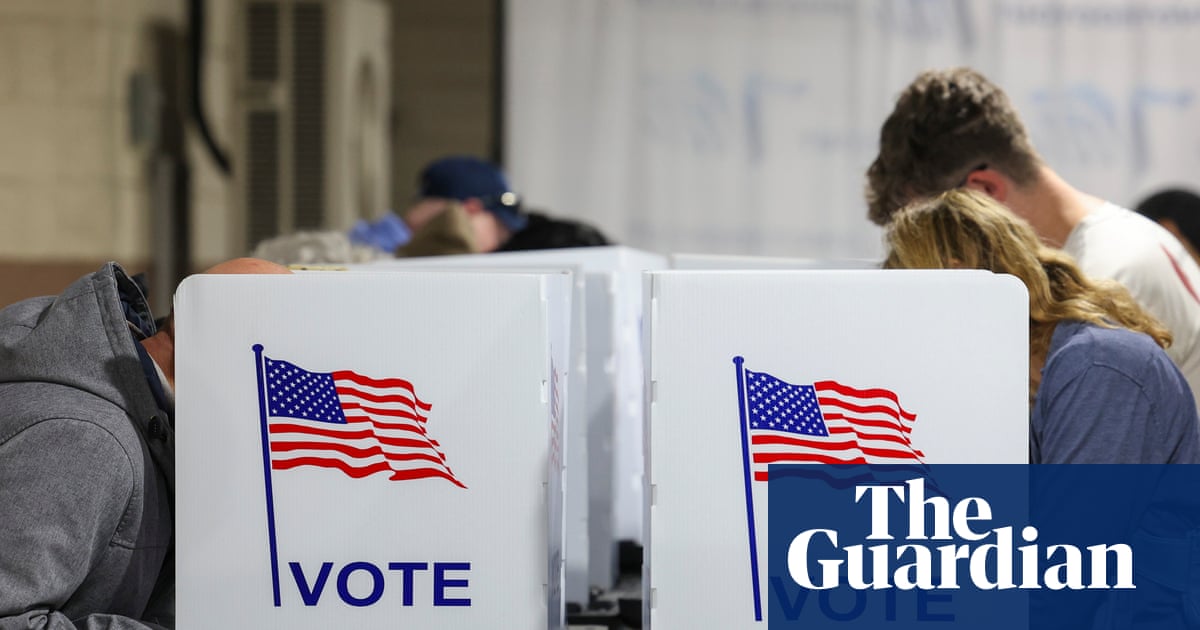
- Core Development: US voters are casting ballots in high-stakes midterm elections to determine control of the House and Senate amid economic anxiety and record spending.
- Beat Context: Categorized under World with independent corroboration.
- Reporting Depth: 3 minute analytical read synthesized from verified newsroom sources.
US voters head to polls in midterms to decide control of Congress on Tuesday, 3 November 2026, capping a turbulent campaign period that functions as a nationwide referendum on Donald Trump’s second term. Voters across the country are casting ballots to determine the balance of power in both the Senate and the House of Representatives, which are currently held by Republicans, according to The Guardian.
The elections arrive against a backdrop of widespread public anxiety over economic hardship, with voters reporting severe strains at grocery stores and fuel pumps. Inflation has ticked upward since the start of the presidential term, and economists attribute higher everyday costs directly to the administration's aggressive tariff regime. These pocketbook issues have left Republican candidates defending traditionally safe heartland seats in states like Iowa, Kansas, Ohio, and Texas, where outside political advertising spending has vastly exceeded historic expectations.
Media additions


President Trump has attempted to rally his MAGA base by crisscrossing the country to deliver speeches, though his final pre-election appearance in Washington D.C. Drew astonishment from observers. As reported by The Standard, Trump dedicated a meandering speech on the eve of the election to discussing grass, pipes, caulking, and algae at the reopening of the Lincoln Memorial Reflecting Pool. International commentators labeled the appearance bizarre, with critics suggesting it highlighted a disorganized final message as his approval ratings languished at historical lows.
Democrats hope to capitalize on the president's low popularity to generate a blue wave that would secure majorities in both chambers of Congress. However, analysts note that even if opposition parties capture Capitol Hill, the president retains sweeping executive authority and the power of veto.
Internal party friction has complicated the final stretch for Democrats. In Michigan, a vital battleground for Senate control, Democratic congresswoman Haley Stevens stunned party leaders by endorsing her Republican rival, Mike Rogers, following a bitter primary defeat. Senate minority leader Chuck Schumer condemned the move as a betrayal, while the campaign of Democratic nominee Abdul El-Sayed capitalized on the drama by surging in small-dollar donations. Meanwhile, in Alaska, the Department of Justice filed a lawsuit—subsequently dismissed by a judge—over alleged voter confusion stemming from a spoiler campaign involving a second candidate named Dan Sullivan.
| Metric / Factor | Democratic Outlook | Republican Outlook |
|---|---|---|
| House Control | Widely favored to win net seats | Defending territory against expected losses |
| Senate Control | Narrow path requiring multiple pickups | Defending vulnerable seats in red states |
| Primary Campaign Themes | Cost of living, tariffs, Iran war, corruption | Border security, characterizing opponents as radicals |
Financial backing for the midterms has shattered records. Data from AdImpact cited by The New York Times confirms this is the most expensive midterm election in history for political advertising. Technology entrepreneur Elon Musk contributed millions to Republican candidates and allied political committees, establishing a massive financial advantage that bolstered conservative campaigns in tightening races.
As millions cast their ballots, concerns persist regarding the integrity of the electoral process. The Department of Justice has deployed a record thousand election monitors to polling locations nationwide, a move critics denounce as voter intimidation, according to The Guardian. President Trump has also repeatedly questioned election security, prompting fears of post-election challenges similar to those seen in prior cycles.
Polls begin closing across the eastern United States at 6:00 p.m. Eastern Time, with early results expected to offer immediate clues on whether a broad Democratic surge is materializing. Complete results may take days or weeks to finalize in tightly contested districts.
How significant is this development?
Contribute your assessment to the aggregated reader sentiment ledger.
Frequently Asked Questions
Key questions answered in this reportWhat is the key development in: US voters head to polls in midterms to decide control of Congress?
US voters are casting ballots in high-stakes midterm elections to determine control of the House and Senate amid economic anxiety and record spending.
Why is this World development significant for the UK?
This report covers critical events in our World beat. Independent reporting monitors related UK statements, regulatory shifts, and public responses as further verified details emerge.
How was this reporting corroborated and verified?
Newsarchy UK compiles and cross-references reporting from primary reporting from BBC and cross-checked wire reports. All coverage adheres to published editorial standards.
When was this report published?
This briefing was published on November 3, 2026 and is permanently cataloged in the Newsarchy UK World archives.