Oil Steadies With Iranian Attack on Base in Bahrain in Focus
Global energy markets stabilized as fresh military escalations in the Middle East countered downward pressure from a well-supplied physical market.

Global energy markets steadied after a sustained slump as fresh military escalations in the Middle East countered downward pressure from a well-supplied physical market, according to Yahoo Finance.
Brent crude held below ninety-six dollars a barrel following a weekly decline exceeding two percent, while West Texas Intermediate hovered near eighty-nine dollars, as reported by UK Finance and mirrored in broader market analyses by SSBCrack.
Media additions
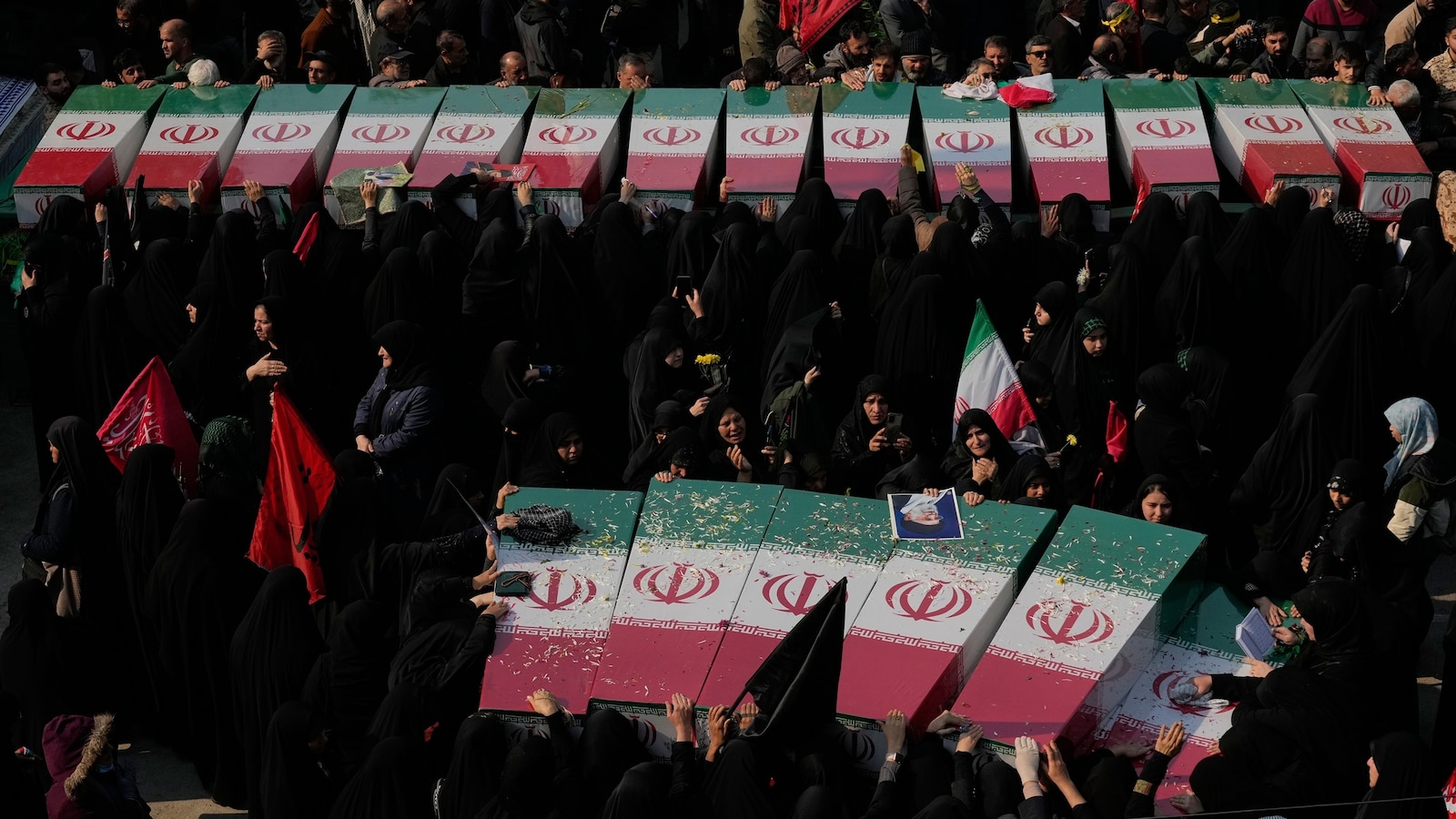

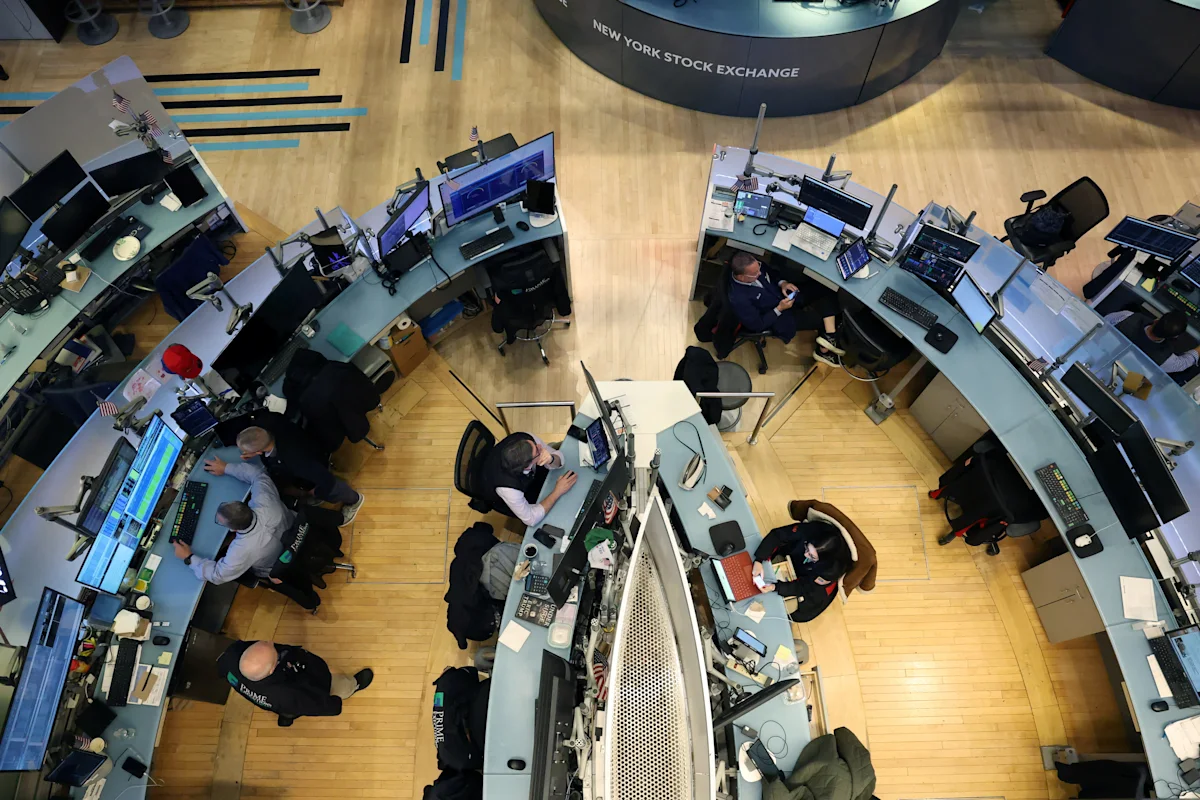
The latest market floor emerged after Iran targeted a United States helicopter base in Bahrain on Sunday, according to reporting compiled by ABC News. The Islamic Revolutionary Guard Corps stated that it launched six drones at the facility, marking Tehran's first direct strike on a Persian Gulf state in weeks. Bahrain's Foreign Ministry placed full responsibility for the drone attacks on Iran, noting that the kingdom's air defense systems intercepted the incoming threats.
Tensions intensified simultaneously across maritime routes and other regional capitals. Iranian state television reported that five vessels struck marine mines and caught fire over a forty-eight-hour window, while the United Kingdom Maritime Trade Operations received reports from Indian shipping authorities regarding an outbound tanker struck by an unknown projectile in the Gulf, resulting in an engine room fire with no reported crew casualties. These developments unfold against a backdrop of intensified conflict involving Saudi-backed forces and Houthi rebels in Yemen, alongside diplomatic fallout that included Saudi Arabia expelling several Iranian diplomats from Riyadh.
Meanwhile, the broader conflict — which began in February with joint American and Israeli strikes targeting Iran's nuclear program and resulted in the death of Supreme Leader Ayatollah Ali Khamenei — has seen fluctuating dynamics in crude supply. The International Energy Agency reported that global oil supply exceeded demand for the first time since the war began, projecting an overhang of roughly two million barrels a day for the current quarter.
Complicating the physical supply outlook, the United States military presence in the region expanded significantly. A U.S. Official confirmed that a third aircraft carrier strike group, the USS Theodore Roosevelt, entered the United States Central Command area of operations on Sunday, joining the USS George HW Bush and the USS George Washington to enforce a stringent naval blockade of Iranian Persian Gulf and Gulf of Oman ports. This naval buildup accompanies ongoing diplomatic friction, with stalled talks following an earlier memorandum of understanding signed in June.
Despite the volatile maritime environment and recent drone activity, mixed signals have emerged from political leaders regarding the trajectory of hostilities. Parliament Speaker Mohammad Bagher Ghalibaf stated that the war could end if Washington accepted Tehran's conditions. President Donald Trump remarked that further attacks against the Islamic Republic would be unnecessary while maintaining that the United States remained fully prepared, following earlier social media threats regarding regional power infrastructure.
| Metric / Indicator | Reported Figure | Context |
|---|---|---|
| Brent Crude Price | Below $96 / barrel | Held steady after falling more than 2% the previous week |
| West Texas Intermediate | Near $89 | Reflects broader physical market conditions |
| Projected Oil Overhang | ~2 million barrels/day | Expected Q quarterly surplus reported by the IEA |
| U.S. Carrier Strike Groups | 3 groups in Centcom | Includes the newly arrived USS Theodore Roosevelt |
Market watchers are also balancing energy geopolitics against scheduled macroeconomic catalysts, including upcoming technology sector financial disclosures and initial public offerings as tracked by financial desks. As the U.S.-Israeli campaign against Iranian infrastructure enters its fourth week, marked by missile exchanges reaching Israeli cities such as Dimona and Arad, and retaliatory strikes across Tehran, traders continue to monitor whether diplomatic channels or further naval confrontations will dictate near-term price action.
What happens next remains contingent on impending military developments and enforcement of the Persian Gulf blockade. Observers will track whether regional energy infrastructure faces renewed threats following the Bahrain base attack, how the expanded U.S. Carrier presence influences passage through the Strait of Hormuz, and whether stalled diplomatic overtures yield formal negotiations in the coming weeks.