OPEC+ Keeps December Oil Output Steady, Focus Shifts to 2027 Quotas
OPEC+ has decided to keep its December oil production targets steady as regional conflicts and supply constraints persist, shifting focus to upcoming 2027 quota negotiations.
- Core Development: OPEC+ has decided to keep its December oil production targets steady as regional conflicts and supply constraints persist, shifting focus to upcoming 2027 quota negotiations.
- Beat Context: Categorized under Business with independent corroboration.
- Reporting Depth: 3 minute analytical read synthesized from verified newsroom sources.
OPEC+ has decided to maintain its current oil production targets for December 2026, opting for policy stability as severe regional conflicts and supply constraints continue to buffet global energy markets. Reported by outlets including Whalesbook and CNBC, the decision follows an online meeting held on Sunday by seven core members of the alliance: Saudi Arabia, Russia, Iraq, Kuwait, Algeria, Kazakhstan, and Oman. By keeping December production quotas unchanged from September levels, the group has effectively paused further output policy adjustments until next year, shifting its primary focus toward complex negotiations for 2027 quotas and baseline capacity reviews.
The decision to hold the line on December production targets comes at a time of acute geopolitical tension in the Middle East. According to reporting from The National News, the Strait of Hormuz—which carried about a fifth of the world's crude oil and liquefied natural gas—has been effectively shut since fighting between the US and Iran started. Maritime incident tracking data highlighted a surge in commercial vessel attacks near the strait, while escalating Houthi rebel activity has also targeted Saudi infrastructure, including a drone intercept over Riyadh reported by Saudi authorities.
Media additions

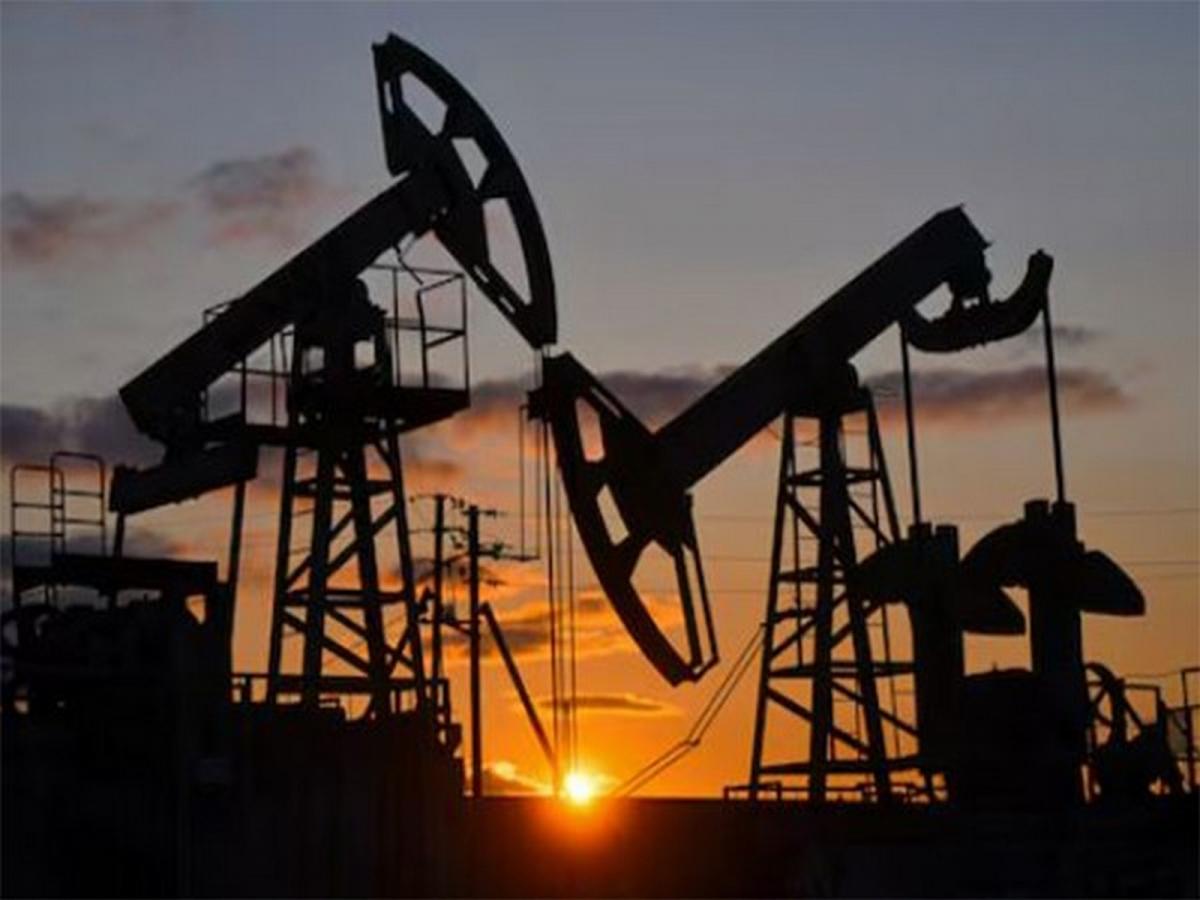
These security risks have created a striking divergence between official quotas and physical reality. As The Charlotte Observer noted, while Gulf members have gradually worked to restore exports, most producers continue to pump well below their authorized limits. Having completed the phased rollback of a 1.65 million-barrel-per-day cut originally agreed upon in 2023, the alliance still maintains an additional layer of production restrictions amounting to approximately two million barrels per day across most members through the end of December 2026, as detailed by Lokmat Times and Yahoo Finance. This persistent gap between policy targets and actual physical supply has kept energy markets highly sensitive to news from the region, pushing crude prices sharply higher ahead of the weekend.
| Crude Benchmark | Contract / Timing | Closing Price ($) | Percentage Change |
|---|---|---|---|
| Brent Crude | December (expired Friday) | 117.64 | +2.40% |
| Brent Crude | January (active contract) | 113.43 | Not reported |
| US WTI Crude | Active contract | 104.12 | +2.08% |
Financial markets reacted swiftly to the tightening supply outlook and mounting geopolitical friction. As Coinpaper reported, Brent crude traded at elevated levels above $110 a barrel, reflecting a substantial geopolitical premium over fundamental valuation models such as those previously estimated by JPMorgan. The market's underlying nervousness was underscored by volatile price swings driven by alternating reports of diplomatic contacts and renewed security threats across Middle Eastern export terminals.
Industry analysts emphasize that Sunday's decision was merely a preliminary step before far more contentious policy debates. Jorge Leon, an analyst at Rystad cited by The Charlotte Observer, described the December target freeze as the easy choice, warning that the alliance faces an extremely difficult challenge in navigating surplus risks and Hormuz recovery paths for the upcoming year.
For energy-importing economies like India, the sustained tightness in global oil markets carries significant domestic implications. As Whalesbook outlines, elevated crude import bills directly affect refining margins for major marketing corporations such as Indian Oil Corporation, Bharat Petroleum, and Hindustan Petroleum, while also placing pressure on national trade deficits and inflation metrics. Upstream producers experience mixed effects, often balanced against domestic taxation policies like windfall levies on crude production.
What to Watch Next
- Mid-November 2026: Completion of the critical fourth-quarter review assessing members' actual production capacities, which has faced delays due to infrastructure disruptions in the Middle East.
- November 29, 2026: Full ministerial meeting of all participating countries within the broader alliance to formally negotiate and decide the 2027 production framework and quota baselines.
- December 31, 2026: Expiration date for the current secondary layer of production cuts totalling roughly two million barrels per day, which will dictate how baseline adjustments take effect in the new year.
How significant is this development?
Contribute your assessment to the aggregated reader sentiment ledger.
Frequently Asked Questions
Key questions answered in this reportWhat is the key development in: OPEC+ Keeps December Oil Output Steady, Focus Shifts to 2027 Quotas?
OPEC+ has decided to keep its December oil production targets steady as regional conflicts and supply constraints persist, shifting focus to upcoming 2027 quota negotiations.
Why is this Business development significant for the UK?
This report covers critical events in our Business beat. Independent reporting monitors related UK statements, regulatory shifts, and public responses as further verified details emerge.
How was this reporting corroborated and verified?
Newsarchy UK compiles and cross-references reporting from primary reporting from whalesbook.com and cross-checked wire reports. All coverage adheres to published editorial standards.
When was this report published?
This briefing was published on November 1, 2026 and is permanently cataloged in the Newsarchy UK Business archives.