RMT announces eight London Underground strike dates over four-day working week
The RMT union has announced eight London Underground strike dates following a dispute with Transport for London over a proposed four-day working week.

The RMT union announced eight London Underground strike dates following an ongoing dispute over a proposed four-day working week, threatening widespread travel disruption across the capital. Commuters, Christmas shoppers, and sports fans face significant challenges as the Rail, Maritime and Transport union prepares for industrial action. The dispute centres on a proposed shake-up of working hours by Transport for London (TfL), which wants to compress a working week into fewer days.
Transport for London argues that the shift change will be entirely voluntary. According to TfL customer operations director Nick Dent, the voluntary four-day week is designed to improve work-life balance for drivers and service reliability for customers. Chief operating officer Claire Mann previously claimed that alternative union demands would be neither practical nor affordable, while Nick Dent noted in an email to staff that a small reduction in contractual hours would cost tens of millions of pounds. TfL has trialled this working pattern on the Bakerloo line.
Media additions
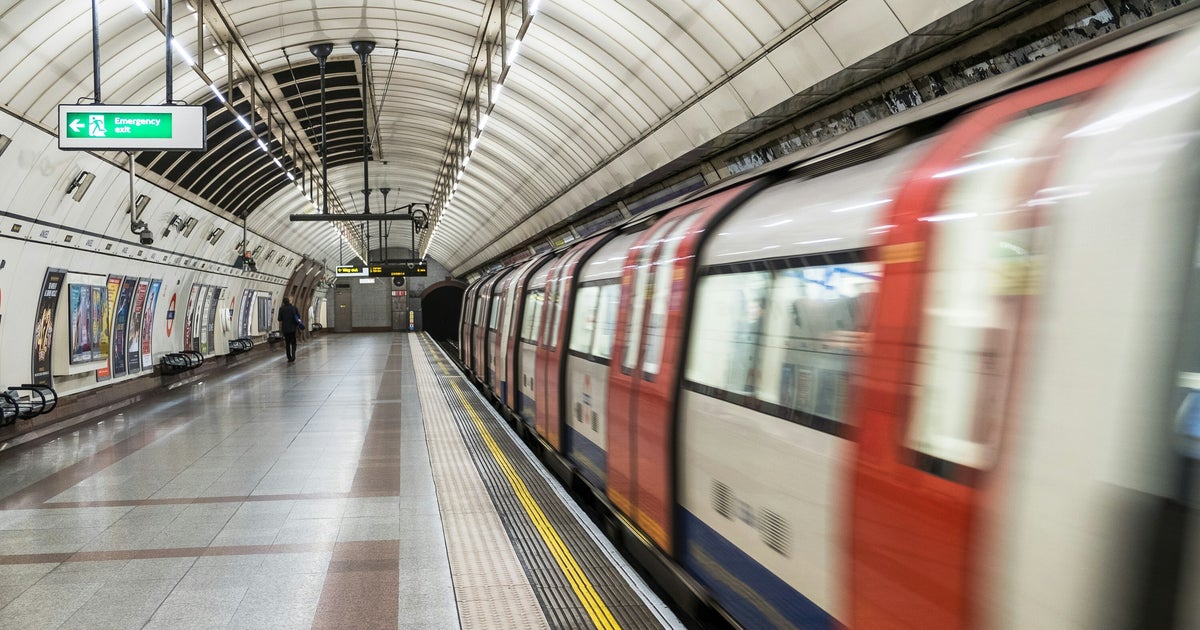

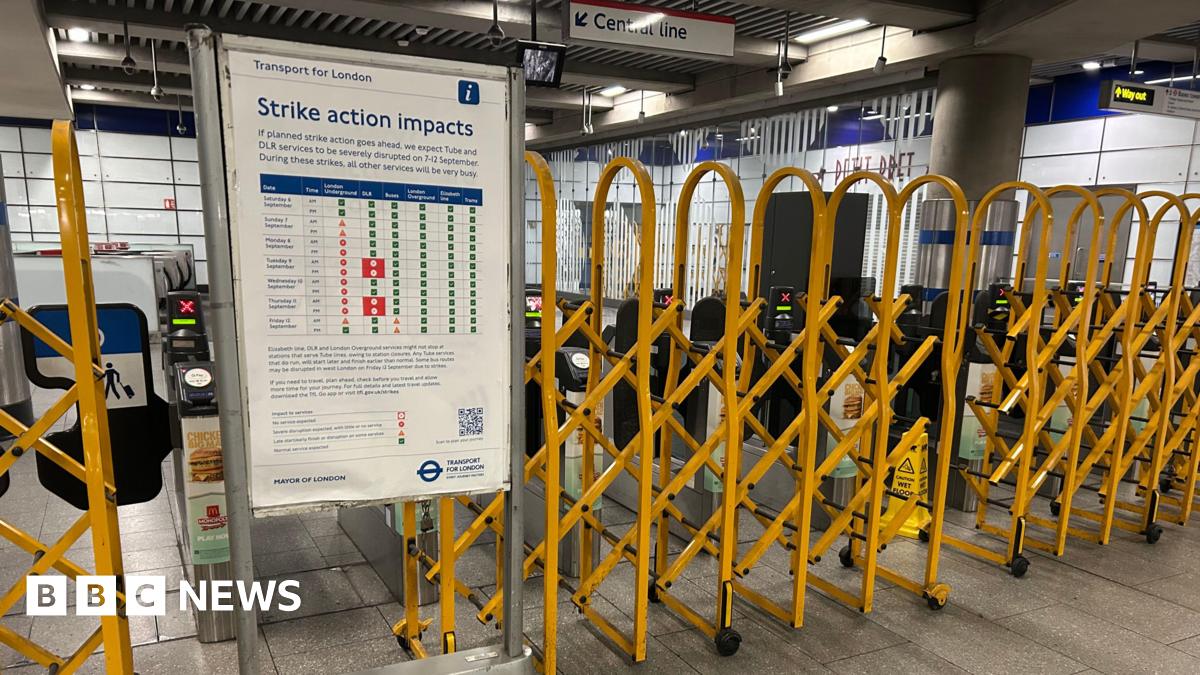
However, the union fiercely rejects this characterization. RMT general secretary Eddie Dempsey described the move as a wholesale attack on working conditions, warning that drivers will face longer days and extended train-driving hours that raise serious concerns around fatigue, safety, and work-life balance. The union contends that the arrangement amounts to five days of work squeezed into four, forcing drivers to forfeit existing protections or face displacement from their depots. The RMT also rebutted the proposal with an effort to keep a four-day week while reducing working hours further, arguing that the proposed longer working day of eight hours and 45 minutes would cause driver fatigue and compromise safety for railway staff and passengers.
Rival union Aslef takes a starkly different view. Aslef full-time organiser Finn Brennan expressed surprise at the RMT's opposition, noting that his union accepted the proposals and praising the deal as an example of what trade unions should achieve. Aslef maintains that participating drivers gain extra days off each year in exchange for minor adjustments to working conditions. During previous actions, many Tube drivers turned up to work as usual because they belonged to Aslef.
Political figures and business leaders have weighed heavily into the dispute. Shadow Transport Secretary Richard Holden criticized the RMT over the industrial action. Meanwhile, business leaders have repeatedly urged both sides to secure a lasting resolution to protect the capital's economy. Ed Richardson, transport programme director at BusinessLDN, noted that cancelled bookings and reservations inflict heavy losses on the hospitality sector. UK Hospitality chair Katie Nicholls claimed that upcoming Tube strikes would have a devastating impact on London’s hospitality sector as commuter footfall becomes almost non-existent.
The planned walkouts threaten major retail and sporting fixtures in the capital. The industrial action includes dates coinciding with peak shopping periods and Premier League football matches, forcing supporters and shoppers to rethink their travel arrangements. The strike on December 19 is on the final Saturday before Christmas, known as Super Saturday, which traditionally is the biggest festive shopping day. On the same day, Brentford FC plays Newcastle United at home in the Premier League, and fans face difficult journeys to and from the Gtech Community Stadium via the District and Piccadilly lines. A 24-hour strike on Wednesday, January 6 is set to cause chaos for fans trying to reach Fulham’s ground Craven Cottage to play Tottenham in an evening game, while Chelsea fans hoping to use the Tube to watch the Blues play Crystal Palace at Selhurst Park on the same evening also face disruption. A scheduled walkout on Monday, January 4 coincides with the first day back at work for millions after the Christmas and New Year break.
| Entity / Stakeholder | Stance on Four-Day Week | Key Concern or Argument |
|---|---|---|
| Transport for London (TfL) | Supports voluntary implementation | Improves work-life balance and service reliability |
| RMT Union | Strongly opposes current terms | Causes driver fatigue, safety risks, and lost protections |
| Aslef Union | Accepted the proposal | Provides extra days off with minimal contract changes |
The industrial dispute has dragged on through multiple phases of threats, talks, and suspensions. Previous walkouts have been called off at the eleventh hour following last-minute breakthroughs in negotiations, while other rounds of strikes have previously been suspended after employers shifted their positions to explore union concerns. During past strikes, alternative transport networks experienced massive surges, with the number of Lime bikes, Forest bikes, and TfL cycle hires all going up by fifty per cent on the first day of disruption.
As negotiations continue against the backdrop of broader railway engineering works closing major hubs like Paddington and restricting services into Waterloo, Londoners must prepare for intermittent paralysis across the transport network. The Elizabeth line and Heathrow Express trains will not run west of Paddington until December 31 as a result of upgrade works. Trains into Waterloo will be reduced and run an amended timetable on Sunday, December 27 and Monday, December 28, according to National Rail, due to engineering crews working in the Queenstown Road area. There will also be no Southeastern trains to Charing Cross, Waterloo East, Cannon Street, or via Lewisham on those same days due to track work around New Cross.
What to watch next
- Monitor ongoing talks between Transport for London and union representatives to see if upcoming walkouts are suspended.
- Check official travel updates from TfL and National Rail for line-specific service alterations closer to each walkout date.
- Look for potential knock-on impacts on alternative transport networks, such as cycle hires and bus services, which typically see surges during Underground strikes.