Green light for Starmind: SpaceX gets approval to deploy 1 million AI satellites
The U.S. FCC has granted SpaceX regulatory approval to deploy one million Starmind orbital compute modules to build a space-based data center network.
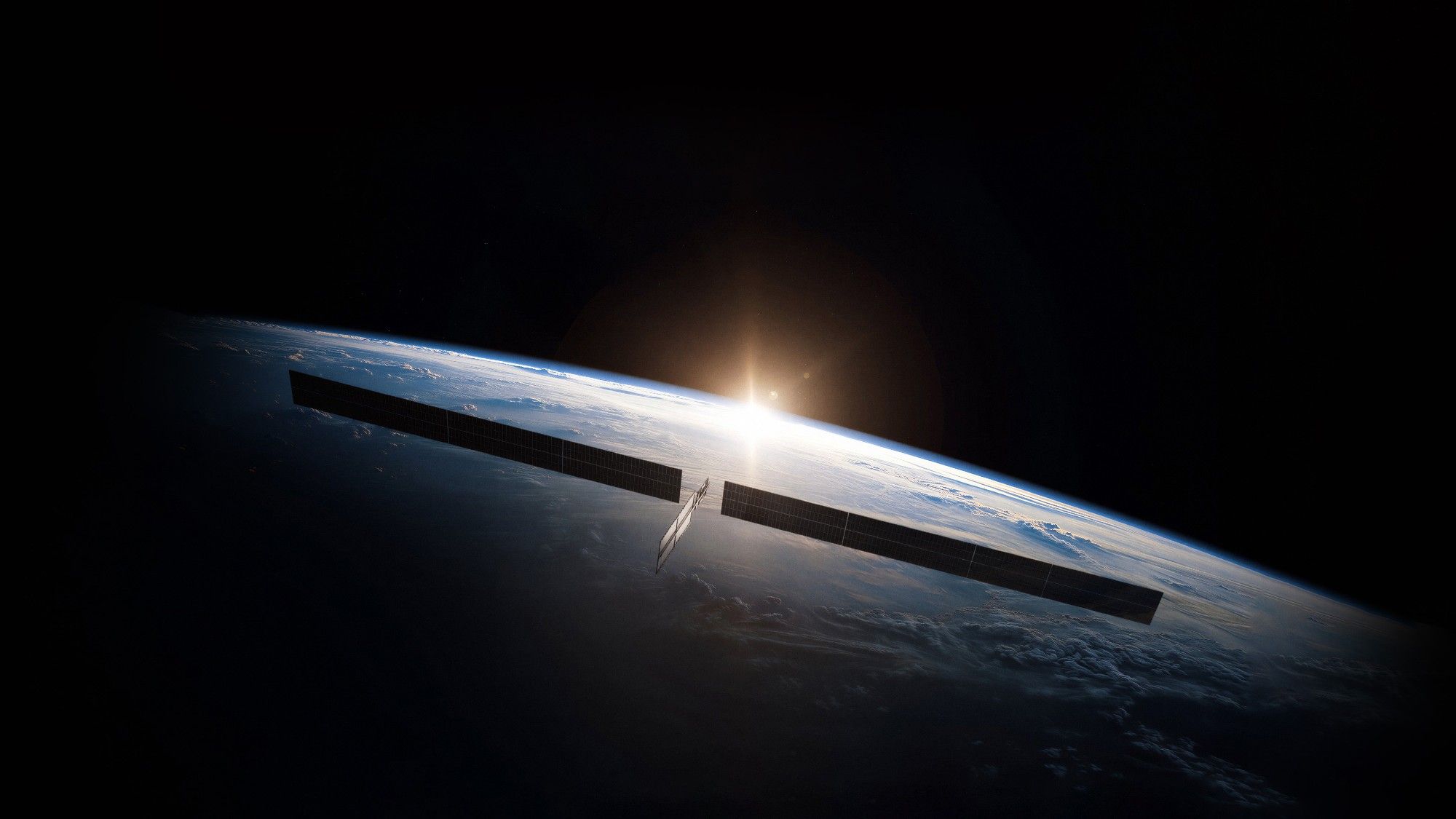
SpaceX has secured regulatory approval from the U.S. Federal Communications Commission to deploy a constellation of satellites for data centers in space, according to multiple reports published on Wednesday, 25 November 2026. The authorization clears the path for the company's "Starmind" network, which is designed to process massive amounts of data in low Earth orbit.
Proponents of the project argue that moving artificial intelligence workloads into orbit will allow spacecraft to directly harness near-constant solar power, bypass strained terrestrial power grids, and reduce water demands associated with cooling server farms on Earth. According to coverage from Techcentral, the licensing decision arrives as regulators push to secure American technological leadership amid an escalating global race with China.
Media additions


The approval represents a major milestone for SpaceX founder and CEO Elon Musk. FCC Chairman Brendan Carr praised the authorization in a statement, describing the move as a historic first that pushes the boundaries of modern engineering. Musk welcomed the decision publicly via social media, replying to an online post from Carr to state that the network will serve as a great asset to the nation and the world.
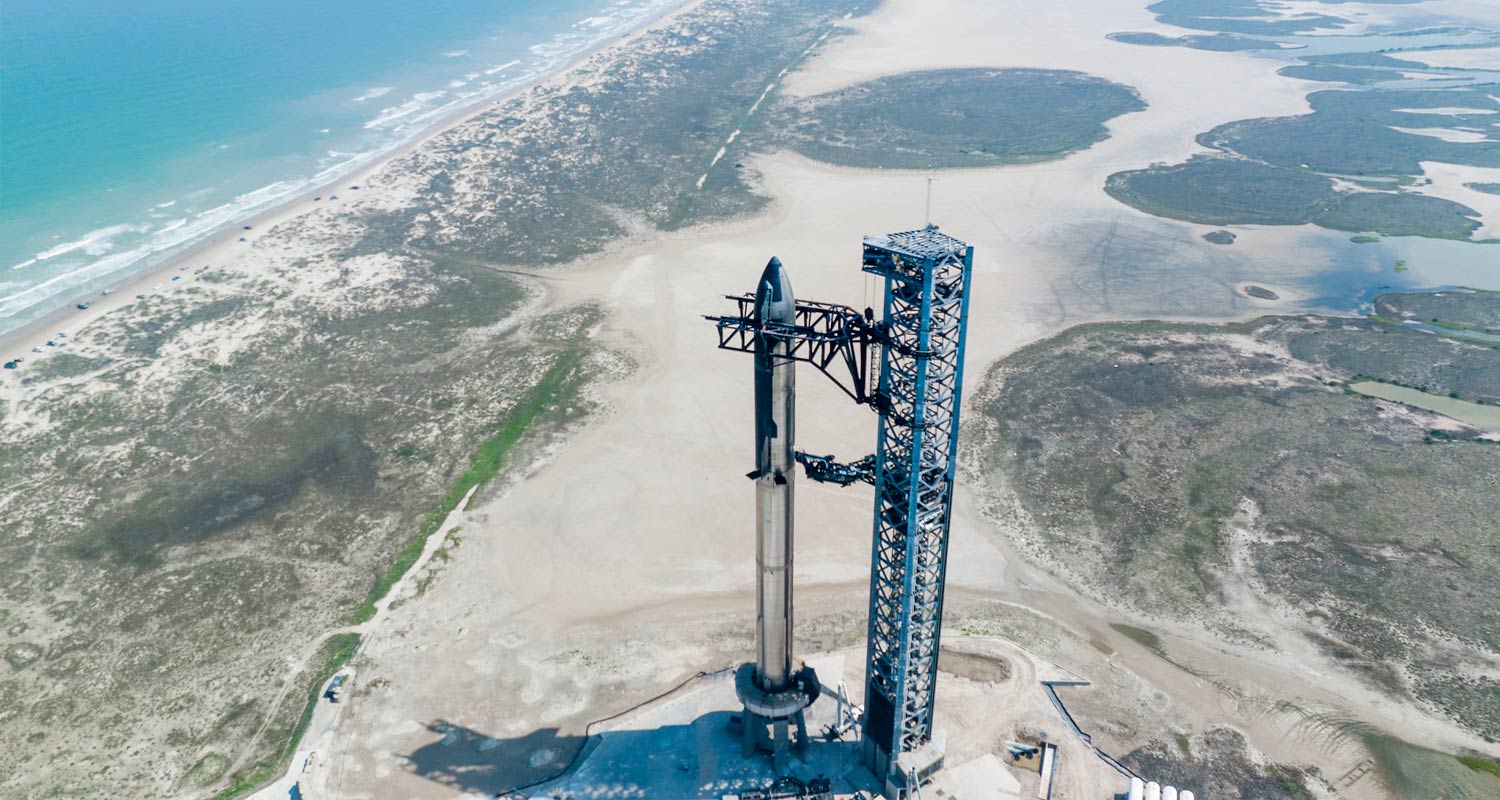
Operating a fleet of that magnitude demands an unprecedented scaling of orbital launch capabilities. SpaceX intends to rely on Starship, its next-generation fully reusable megarocket, to lift the hardware into low Earth orbit. While the vehicle remains under development, company officials note that achieving the necessary cadence will depend heavily on Starship bringing down the financial cost of spaceflight.
Critics and scientific organizations, however, have raised alarms regarding the feasibility and environmental fallout of the project. Astrophysicist Adam Becker dismissed the orbital data center concept as a fantasy, pointing out that Space is a vacuum that traps heat inside objects much like a thermos. Becker explained to NBC News that basic physical limits complicate the process of radiating thermal energy away from high-powered compute units.
Astronomical bodies have similarly condemned the decision. The American Astronomical Society issued a statement expressing that it was disheartened and dismayed by the regulatory green light, warning that large, bright satellites occupying low Earth orbit would severely degrade astronomical facilities and impair the ability of researchers and the public to study the night sky. Additional concerns center on atmospheric pollution generated by frequent rocket launches and reentries, alongside the escalating threat of cascading orbital debris collisions.
Rival commercial entities also contested the application prior to the ruling. Competitors including Amazon-owned Kuiper Systems and satellite communications provider Viasat petitioned the agency to reject the proposal. Critics argued that SpaceX is unlikely to deploy the full fleet and that doing so could take centuries, a critique that Newsweek noted was dismissed by FCC leadership.
Legal and international policy experts emphasize that current space law was not designed to accommodate constellations of this scale. Gregory Radisic, a senior teaching fellow at Bond University, noted that low Earth orbit functions as a shared, finite resource requiring extensive multinational cooperation. Under the 1967 Outer Space Treaty, the United States remains internationally responsible for the activities of domestic operators and must maintain due regard for other spacefaring nations sharing the radio spectrum and orbital pathways.
Under the regulatory order, SpaceX must begin deployment no later than November 2033. The FCC stipulates that the company must deploy 10 percent of the maximum number of satellites by November 2035, and 50 percent by November 2038. Additionally, SpaceX must submit semi-annual updates on January 1 and July 1 of each year detailing active communications links, total deployments, and spacecraft retired from service.