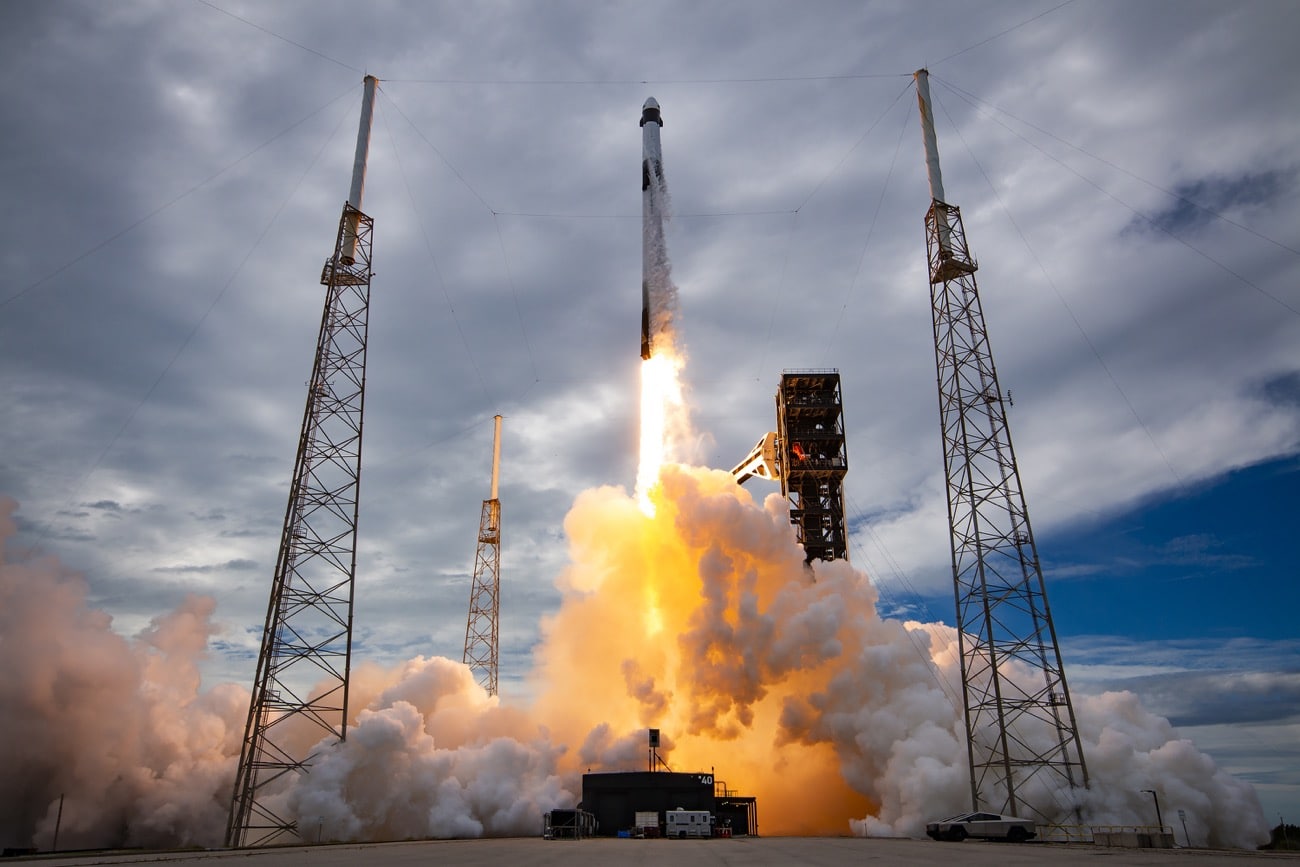
SpaceX Wins First-Ever U.S. Approval for Orbital AI Data Centers
Federal regulators have authorized SpaceX to deploy up to one million satellites for an orbital computing network to address terrestrial power and land constraints.

Federal regulators have authorized SpaceX to deploy up to one million satellites for an orbital computing network, marking a historic regulatory milestone as the technology industry confronts severe power and land constraints on Earth.
The decision by the Federal Communications Commission (FCC) on Wednesday, November 25, 2026, clears the path for Elon Musk's aerospace firm to build out its proposed Starmind constellation. According to the agency, the network of orbital compute modules will process massive workloads in space before transmitting results back to the ground.
Media additions



Terrestrial facilities have increasingly run up against rigid limits in electricity supply, water consumption for cooling, and local zoning pushback. Ground-level data centres emerged as a contentious flashpoint during the November 2026 midterm elections, where voters and candidates nationwide scrutinized the sprawling real estate footprints and soaring utility demands of new computing hubs. Moving infrastructure into low-Earth orbit allows operators to bypass terrestrial opposition while tapping into continuous solar power.
Starmind will operate distinctly from SpaceX's existing Starlink internet constellation, though company filings indicate potential communication links between the two orbital networks. Operating across altitudes ranging from 500 to 2,000 kilometres, the Starmind satellites are designed to pass data primarily through optical laser links, backed up by FCC-approved radiofrequency connections for tracking, emergency commands, and redundancy.
FCC Chairman Brendan Carr praised the milestone.
Carr added that SpaceX and competing firms are actively meeting the soaring compute demands of the artificial intelligence economy."This action opens a bold new frontier for the computing infrastructure needed to power America's leadership and growth,"
Brendan Carr, FCC Chairman, via Yahoo Finance
The regulatory approval comes with strict deployment milestones that stretch over the next decade. Under the terms of the licence, SpaceX must initiate its satellite launches no later than November 2033. The company is required to deploy 10 percent of the authorized constellation by November 2035, with that threshold rising to 50 percent by November 2038.
| Milestone Phase | Deadline | Required Deployment Level |
|---|---|---|
| Launch Initiation | No later than November 2033 | Initial deployment begins |
| Phase One Target | No later than November 2035 | 10% of authorized satellites (100,000 units) |
| Phase Two Target | No later than November 2038 | 50% of authorized satellites (500,000 units) |
Industry observers note that the one-million-satellite figure represents an upper ceiling rather than a guaranteed deployment tally. Space industry analysts point out that commercial operators routinely request approvals for far more spacecraft than they ultimately launch to maintain operational flexibility. For instance, SpaceX previously secured clearance for tens of thousands of Starlink satellites while operating a fraction of that number in orbit.
The ambitious endeavor faces substantial technical hurdles. Space experts warn that launching hardware on a massive scale remains exceptionally expensive and complex.
Furthermore, critics and independent scientists have raised concerns regarding orbital congestion and the escalating risk of collisions. Rival satellite operators, including Amazon's Leo division, previously criticized the feasibility and timeline of deploying such a massive constellation, though FCC leadership dismissed those objections.
Beyond its infrastructure plans, the company's corporate developments have intersected with broader public policy initiatives. SpaceX announced a pledge to allocate a single share of its Class A equity to active accounts under the federal Trump Accounts initiative, with Musk committing to match the contribution from his personal holdings.
What happens next depends heavily on hardware development and upcoming flight schedules. Musk previously estimated that the first Starmind prototype computers could launch as early as the third quarter of 2027, contingent upon the maturation of the fully reusable Starship heavy-lift launch system. Meanwhile, the FCC continues its review of supplementary orbital data center proposals submitted by competing aerospace and technology enterprises.