Suzuki targets 4 million annual production capacity in India by FY30
Suzuki Motor Corporation plans to reach four million units of annual production capacity in India by fiscal year 2030, driven by an SUV offensive and multi-pathway powertrains.
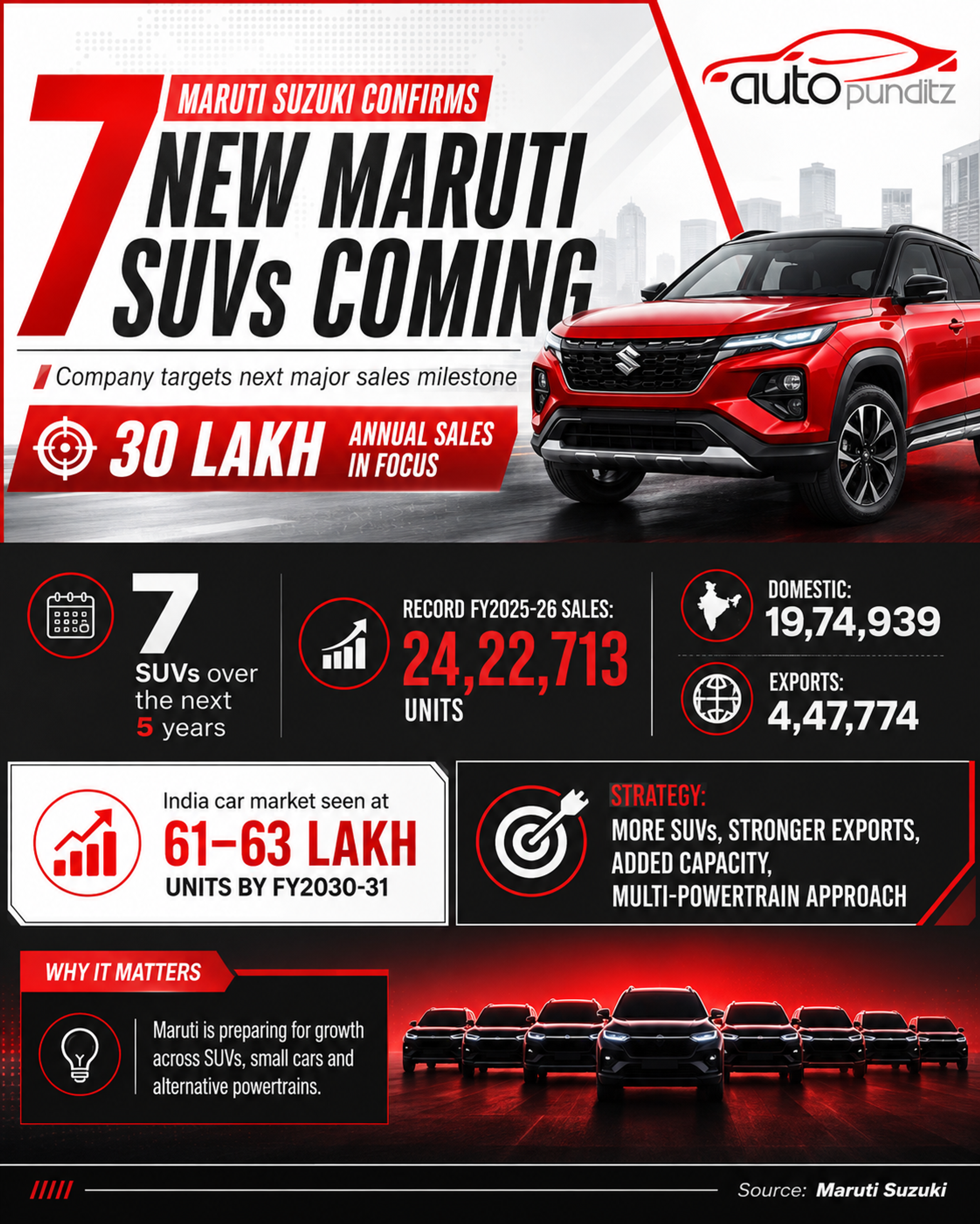
- Core Development: Suzuki Motor Corporation plans to reach four million units of annual production capacity in India by fiscal year 2030, driven by an SUV offensive and multi-pathway powertrains.
- Beat Context: Categorized under Business with independent corroboration.
- Reporting Depth: 4 minute analytical read synthesized from verified newsroom sources.
Suzuki Motor Corporation is reshaping its manufacturing and product footprint with an ambitious plan to achieve an annual production capacity of approximately four million vehicles in India from fiscal year 2030 onwards, according to Financialexpress reporting on the automaker's global strategy briefing. This expansion underscores India's rising prominence as a central manufacturing and export hub for delivering vehicles worldwide, leveraging local production for local consumption to curb transportation emissions and supply risks. Suzuki currently maintains production facilities at Gurgaon, Manesar, Hansalpur, and Kharkhoda. According to Financialexpress, Suzuki Motor Corporation President Toshihiro Suzuki outlined that the corporation will cut new vehicle development lead time by half while achieving a significant boost in operational metrics.
The capacity scale-up supports a massive upcoming product offensive. Maruti Suzuki India has officially confirmed plans to introduce seven sport utility vehicles over the next five years, aiming to strengthen its presence across rapidly growing segments, as detailed in Autopunditz. This announcement forms part of the carmaker's annual integrated report themed "The Next Million, New Momentum." Having already crossed two million annual vehicle sales for three consecutive years, the carmaker is now moving steadily toward its next major milestone, focusing volumes on the 30-lakh-unit mark. Additional manufacturing capacity is already under construction, with management indicating that an extra five lakh units of capacity are being added during the 2026–27 financial year to support both domestic demand and surging exports. Maruti Suzuki Managing Director & CEO Hisashi Takeuchi confirmed the seven-SUV plan, while Chairman R.C. Bhargava estimated that India's car industry could expand to roughly 61 lakh to 63 lakh units annually by the end of the decade.
Media additions
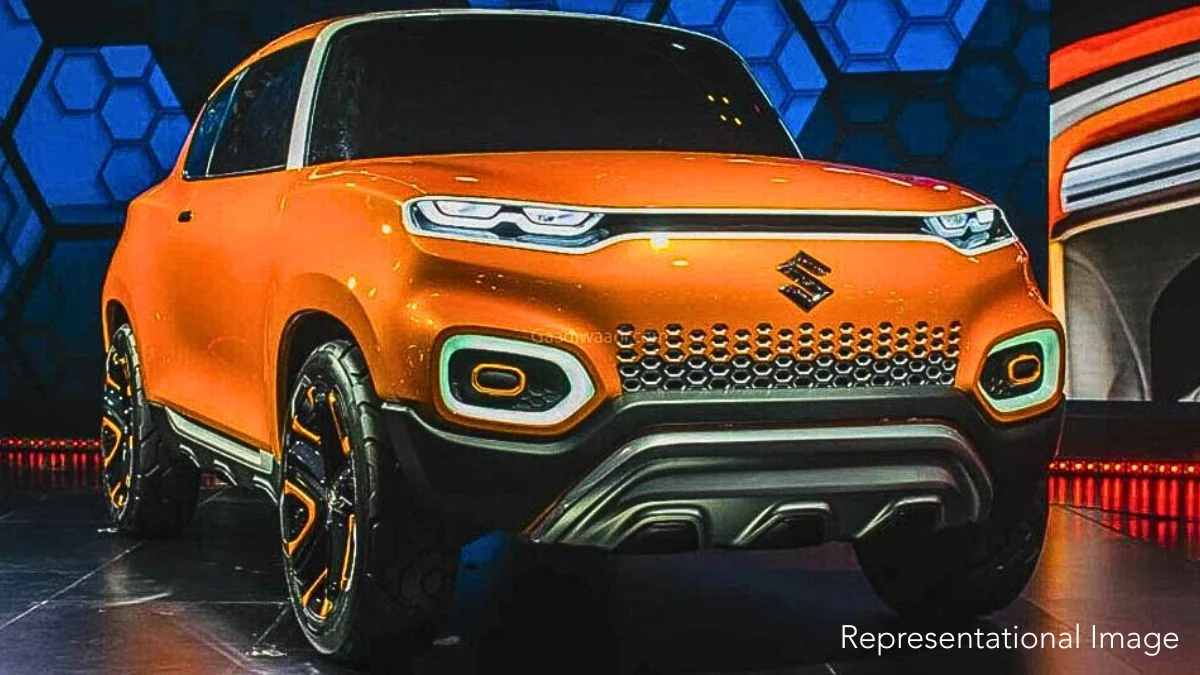
At the same time, Car Lelo notes that the broader product roadmap extends across a six-year horizon with petrol, hybrid, and electric mix configurations, including a forthcoming entry-level micro-SUV designed to challenge competitors in the compact space. Even as SUVs command a larger share of the market — growing from 16.8 percent to 19.3 percent — Maruti remains committed to maintaining its core small-car offerings like the Swift, Dzire, and Baleno, anticipating that entry-level demand will persist alongside lifestyle segments. The company registered record annual sales in fiscal year 2025–26, alongside notable export volumes that accounted for a substantial share of total passenger vehicle shipments from the country.
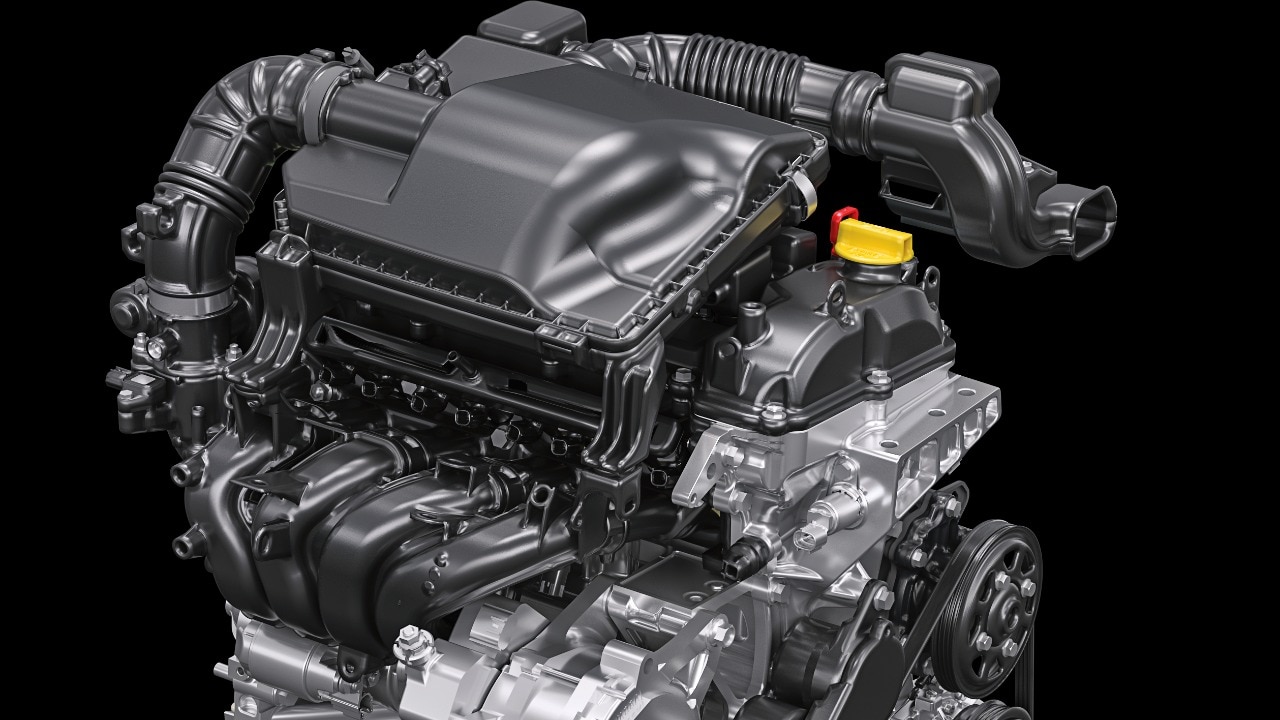
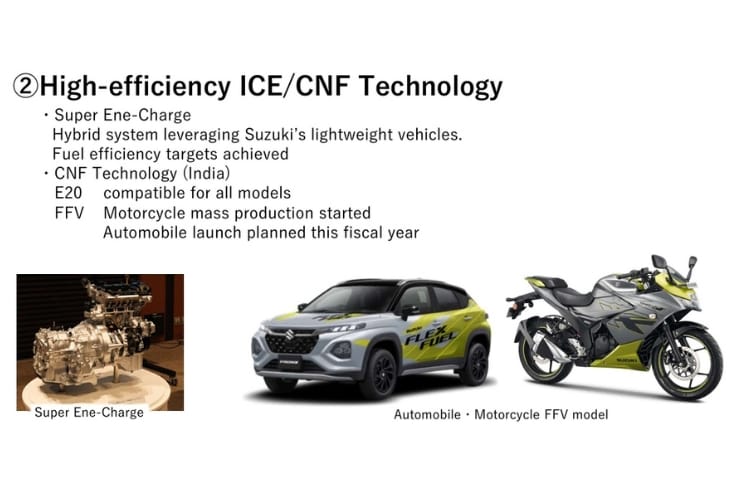
Rather than relying exclusively on battery-electric vehicles, Suzuki is pursuing a flexible, multi-pathway decarbonisation strategy tailored to regional energy infrastructures. According to India Today, the technology roadmap confirmed the development of a 1.5-litre turbocharged internal combustion engine slated for commercialisation by 2030, alongside bioethanol-compatible naturally aspirated engines and flex-fuel vehicles capable of handling high ethanol blends. Complementing these are Dedicated Hybrid Engines paired with electrified systems such as the 48V ‘Super Ene-Charge’ hybrid technology highlighted by Autocar Professional from the Technology Day 2025 event held in Hamamatsu, Japan, which bridges traditional combustion and full electrification for lightweight cars without heavy cost penalties.
The multi-powertrain approach also leans heavily on compressed biogas and CNG, which already accounts for a significant portion of Indian sales. Suzuki has initiated biogas operations by partnering with the National Dairy Development Board and dairy cooperatives to convert cattle manure into renewable fuel that utilises existing CNG infrastructure. Furthermore, a Japan-India CBG Initiative was agreed upon in July to introduce 1,000 biogas plants across India, following initial board-approved investments. This complements broader corporate targets to slash new vehicle development lead times in half, improve development efficiency by 30 percent, and boost manufacturing efficiency by 50 percent by the end of the decade through parallel development, digital tools, and modularisation.
| Strategic Metric / Pillar | Target or Milestone | Context / Operational Scope |
|---|---|---|
| Indian Annual Production Capacity | ~4 million units | Targeted for fiscal year 2030 and beyond across Gurgaon, Manesar, Hansalpur, and Kharkhoda facilities. |
| Maruti SUV Product Offensive | 7 new SUVs | Planned rollout over the next 5 years to expand market share across diverse price and size brackets. |
| Manufacturing Efficiency | 50% improvement | Targeted by FY30 through digital tools, modularisation, and parallel development processes. |
| Development Efficiency | 30% improvement | Aimed at halving new model development lead times compared to FY20 levels. |
As the company balances lightweight vehicle architectures under the S Light project, which has already achieved substantial weight reductions, lean-battery electric vehicles like the e Vitara, and advanced software-defined vehicle electronics under the SDV Right architecture, its overarching philosophy remains anchored in delivering regionally optimised solutions under the banner of smaller, fewer, lighter, shorter, and beauty.
How significant is this development?
Contribute your assessment to the aggregated reader sentiment ledger.
Frequently Asked Questions
Key questions answered in this reportWhat is the key development in: Suzuki targets 4 million annual production capacity in India by FY30?
Suzuki Motor Corporation plans to reach four million units of annual production capacity in India by fiscal year 2030, driven by an SUV offensive and multi-pathway powertrains.
Why is this Business development significant for the UK?
This report covers critical events in our Business beat. Independent reporting monitors related UK statements, regulatory shifts, and public responses as further verified details emerge.
How was this reporting corroborated and verified?
Newsarchy UK compiles and cross-references reporting from primary reporting from autopunditz.com and cross-checked wire reports. All coverage adheres to published editorial standards.
When was this report published?
This briefing was published on September 26, 2026 and is permanently cataloged in the Newsarchy UK Business archives.