Tata Sons board approves reappointment of N Chandrasekaran for 5 years as chairman
Tata Sons has approved a fresh five-year term for N Chandrasekaran as executive chairman, reversing his earlier decision to step down amid regulatory pressures.
- Core Development: Tata Sons has approved a fresh five-year term for N Chandrasekaran as executive chairman, reversing his earlier decision to step down amid regulatory pressures.
- Beat Context: Categorized under Business with independent corroboration.
- Reporting Depth: 3 minute analytical read synthesized from verified newsroom sources.
The board of Tata Sons has approved a fresh five-year term for N Chandrasekaran as its executive chairman. The decision reverses his earlier indication that he would step down when his current tenure ends in February 2027, according to reporting from India Today and CNBC-TV18.
Thursday's board meeting on September 17, 2026, followed months of turbulence surrounding the leadership of India's largest conglomerate. Chandrasekaran had previously informed the board on August 12, 2026, that he would not offer himself for another term after a February 24, 2026 board meeting failed to secure unanimous backing for his extension. Sources cited by Moneycontrol and India Today noted that the earlier impasse was fueled by differences over capital allocation, the performance of high-cash-burn new businesses such as Air India and Tata Digital, and the future corporate structure of the holding company.
Media additions

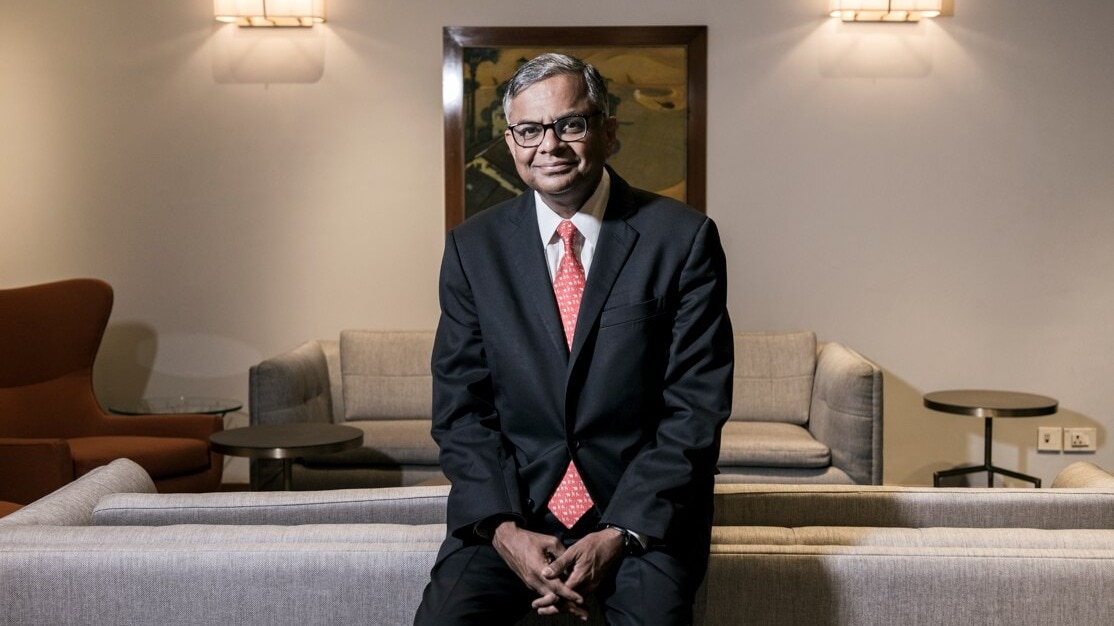

The latest reappointment resolution saw broad support, though it was not unanimous. According to India Today and Ijr, all directors voted in favour except Tata Trusts chairman Noel Tata, who opposed the continuation. Meanwhile, Trusts nominee Venu Srinivasan reportedly supported the move. The underlying split highlights ongoing friction between the executive leadership and the philanthropic trusts. Tata Trusts controls roughly 66% of Tata Sons, with the Sir Dorabji Tata Trust holding approximately 27.98% and the Sir Ratan Tata Trust holding approximately 23.56%, according to reports detailed by BigGo Finance and Rediff.
The leadership decision unfolded against a dramatic shift in regulatory pressures. On September 11, 2026, according to Sahi, the Reserve Bank of India (RBI) rejected Tata Sons' application to voluntarily surrender its certificate of registration as a core investment company. Under the central bank's Scale Based Regulation framework for upper-layer non-banking financial companies (NBFC-UL) with assets exceeding ₹1 lakh crore, this rejection brings a mandatory public stock market listing back onto the agenda. Sahi reported that the Tata Sons board formally cleared the listing process during the September 17 meeting, while CNBC-TV18 and IJR noted that reports differed on whether a formal listing resolution was passed alongside the chairman's extension.
A public float would unlock immense value for cross-holding entities. Sahi noted that Tata Chemicals holds a crucial 2.53% stake and Tata Investment Corporation holds a 0.08% stake in Tata Sons, turning previously illiquid cross-holdings into priced assets. The public listing would also provide a clear exit mechanism for minority shareholders, including the Shapoorji Pallonji Group, which holds an 18.4% stake, as outlined by Sahi and India Today. While Tata Trusts has historically opposed a public listing to protect its trust-owned model, the Shapoorji Pallonji Group has supported a public market float to secure liquidity.
The succession and leadership governance processes face parallel administrative complications. As reported by BigGo Finance and India Today, the Sir Ratan Tata Trust has been unable to convene trustee meetings amid proceedings before the Maharashtra Charity Commissioner regarding the trust's board composition. This restriction prevented the trust from participating in the Tata Sons annual general meeting on August 18, 2026, which ultimately could not proceed for lack of quorum. The company subsequently received a three-month extension from the Registrar of Companies to convene the AGM.
Industry observers emphasize that Chandrasekaran's reappointment provides vital leadership stability during this structural transition. However, fundamental questions regarding strategic alignment between the operating company and its dominant shareholder, capital allocation for loss-making ventures, and the final mechanics of the RBI-mandated public listing remain open as the conglomerate navigates its next phase.
How significant is this development?
Contribute your assessment to the aggregated reader sentiment ledger.
Frequently Asked Questions
Key questions answered in this reportWhat is the key development in: Tata Sons board approves reappointment of N Chandrasekaran for 5 years as chairman?
Tata Sons has approved a fresh five-year term for N Chandrasekaran as executive chairman, reversing his earlier decision to step down amid regulatory pressures.
Why is this Business development significant for the UK?
This report covers critical events in our Business beat. Independent reporting monitors related UK statements, regulatory shifts, and public responses as further verified details emerge.
How was this reporting corroborated and verified?
Newsarchy UK compiles and cross-references reporting from primary reporting from Moneycontrol.com and cross-checked wire reports. All coverage adheres to published editorial standards.
When was this report published?
This briefing was published on September 17, 2026 and is permanently cataloged in the Newsarchy UK Business archives.