Himalayan slope collapse that triggered deadly Nepal floods linked to climate change
A catastrophic Himalayan slope collapse fueled by rising temperatures unleashed deadly flash floods across Nepal and Tibet, prompting demands for climate justice.
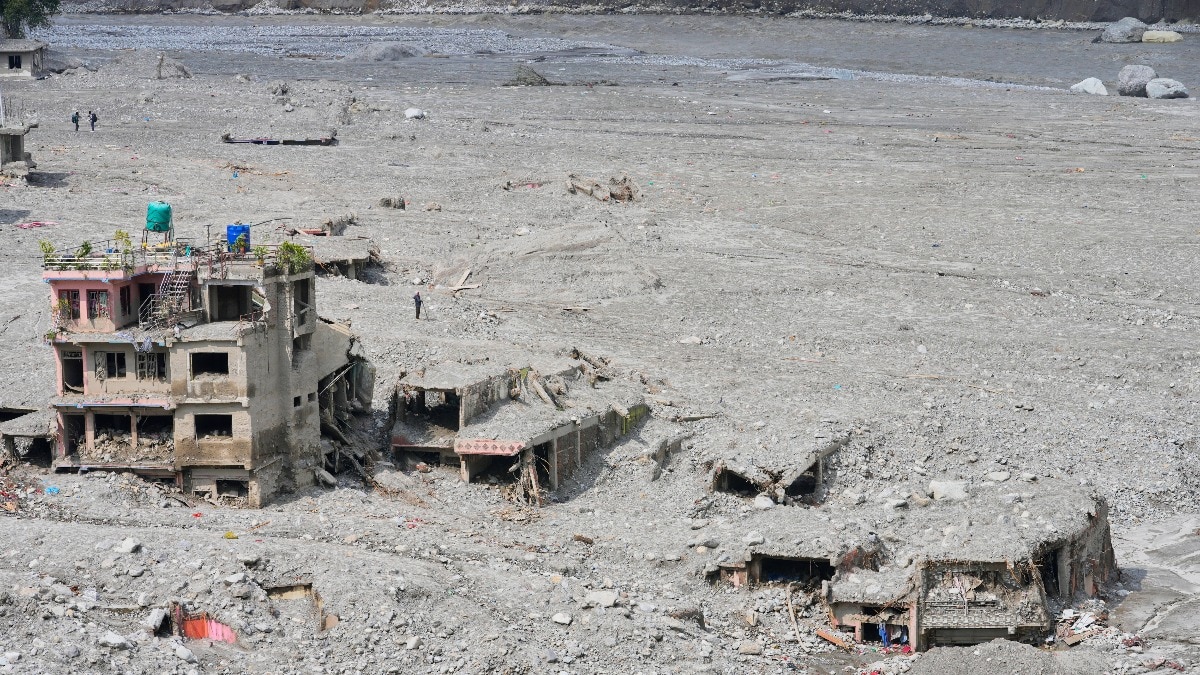
- Core Development: A catastrophic Himalayan slope collapse fueled by rising temperatures unleashed deadly flash floods across Nepal and Tibet, prompting demands for climate justice.
- Beat Context: Categorized under World with independent corroboration.
- Reporting Depth: 3 minute analytical read synthesized from verified newsroom sources.
Human-induced climate change has been identified as a major driver behind the catastrophic Himalayan mountain slope collapse that unleashed deadly flash floods across Nepal and the Tibet region of China, according to a scientific analysis released this month. The disaster, which unfolded along the border near Langtang Lirung, sent a massive torrent of water, ice, rock, and debris surging through the Trishuli River corridor. Communities, infrastructure, and international travelers were caught in the sudden deluge, leaving the region grappling with staggering loss of life and thousands of missing persons.
The catastrophic event began when a section of overhanging glacier and rock broke away at a high altitude near the border with China. As the immense mass plunged downhill, it generated seismic signals that were first registered globally as an earthquake before scientists identified the collapse as the true source. Research from the World Weather Attribution collaboration indicated that decades of global warming have warmed regional temperatures significantly, pushing the altitude of permanently frozen ground upward and weakening the bedrock fractures that held the mountainside together.
Media additions

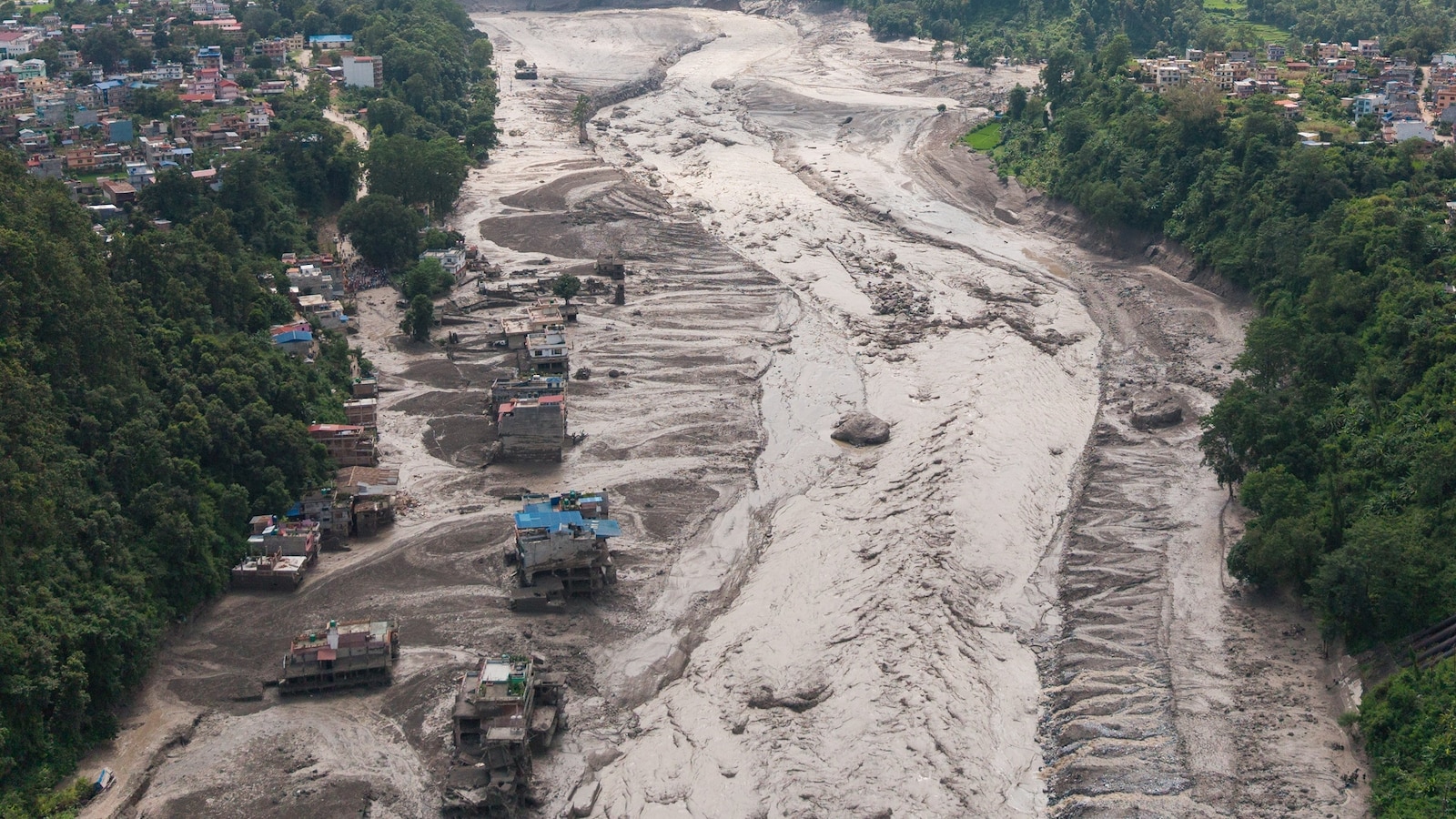

Scientists and researchers emphasized that while individual mountain collapses have complex geological precursors, including historical seismic activity such as a major earthquake in 2015, the overarching fingerprints of climate warming are undeniable. Rising temperatures have accelerated glacier retreat across the Hindu Kush Himalaya mountain range, expanding meltwater storage and leaving high-altitude landscapes increasingly precarious. According to findings highlighted by India Today, July and August recorded unprecedented warmth locally, amplifying the stress on ice-filled cracks within the permafrost.
The scale of the disaster overwhelmed local forecasting capabilities. Experts noted that although Nepal has made strides in disaster preparedness, the unprecedented nature of the slope failure and subsequent debris torrent rendered conventional early warning systems ineffective. Satellite analysis later revealed subtle acceleration signs in the rock formations months prior, but researchers conceded that operational monitoring across thousands of remote Himalayan glaciers remains an immense technical challenge.
| Metric / Source Estimate | Reported Figures | Key Details |
|---|---|---|
| Missing Persons | Over 1,300 to 5,000+ | Includes local residents, workers, and foreign nationals. |
| Financial Damage Estimates | Exceeds $5 billion | Encompasses destroyed housing, roads, bridges, and hydropower facilities. |
In response to the devastation, Nepal’s leadership has pivoted toward demanding international accountability. Officials have formally appealed to the United Nations for immediate disbursements from the Loss and Damage Fund, framing the crisis not as routine aid but as an issue of climate justice. Nepal contributes a negligible fraction of global greenhouse gas emissions yet bears severe geographic vulnerabilities due to its position in the warming Himalayas.
Commentators and activists point out that the financial burden of reconstruction threatens to divert critical resources away from domestic healthcare and education. Legal experts note that while international advisory opinions on climate obligations emphasize state responsibility, establishing binding financial reparations remains a contentious hurdle in global climate negotiations.
What to Watch Next
- Ongoing search and rescue operations for the thousands of missing individuals across Nepal and Tibet.
- Decisions by the United Nations Loss and Damage Fund regarding Nepal's emergency compensation application.
- Upcoming diplomatic addresses at the United Nations General Assembly, where Nepal's leadership is expected to center climate justice.
- Assessments by engineering teams regarding secondary flood threats posed by upstream debris blockages and overflowing glacial lakes.
For continuing updates on international developments and regional emergency responses, additional coverage can be followed through World coverage.
How significant is this development?
Contribute your assessment to the aggregated reader sentiment ledger.
Frequently Asked Questions
Key questions answered in this reportWhat is the key development in: Himalayan slope collapse that triggered deadly Nepal floods linked to climate change?
A catastrophic Himalayan slope collapse fueled by rising temperatures unleashed deadly flash floods across Nepal and Tibet, prompting demands for climate justice.
Why is this World development significant for the UK?
This report covers critical events in our World beat. Independent reporting monitors related UK statements, regulatory shifts, and public responses as further verified details emerge.
How was this reporting corroborated and verified?
Newsarchy UK compiles and cross-references reporting from primary reporting from Al Jazeera and cross-checked wire reports. All coverage adheres to published editorial standards.
When was this report published?
This briefing was published on September 17, 2026 and is permanently cataloged in the Newsarchy UK World archives.