Thames Water creditors prepare for potential legal battle over nationalisation
A group of institutional investors holding £17bn of Thames Water debt is bolstering legal support amid speculation about a special administration regime. The consortium maintains its goal is a solvent restructuring while preparing for potential government involvement.
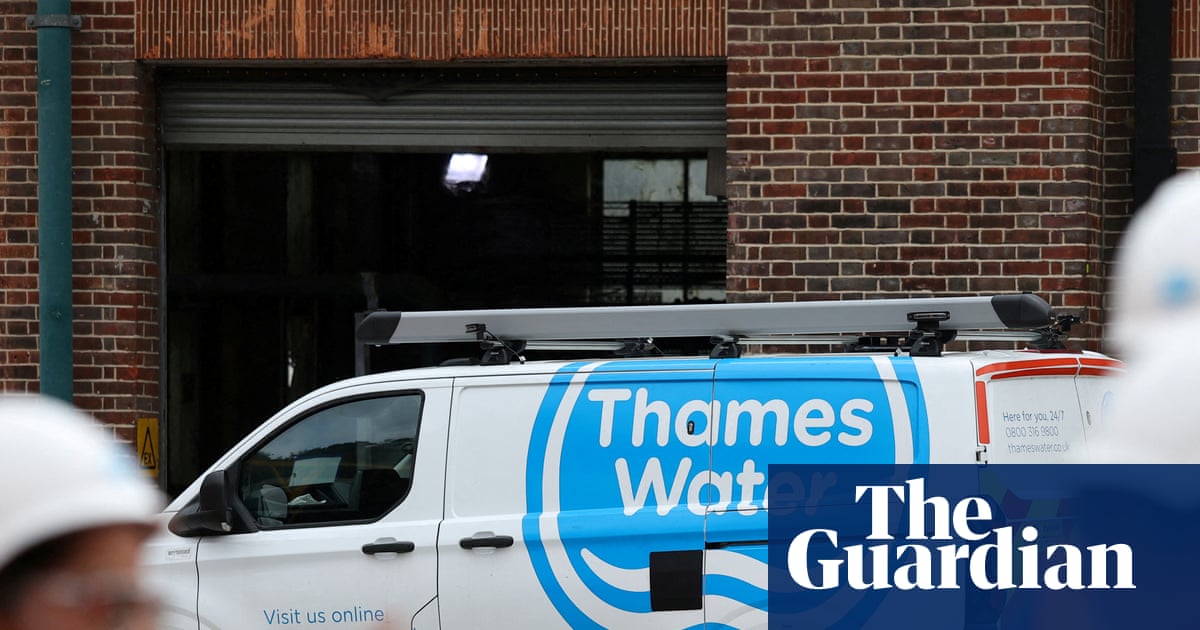
- Core Development: A group of institutional investors holding £17bn of Thames Water debt is bolstering legal support amid speculation about a special administration regime. The consortium maintains its goal is a solvent restructuring while preparing for potential government involvement.
- Beat Context: Categorized under Business with independent corroboration.
- Reporting Depth: 3 minute analytical read synthesized from verified newsroom sources.
London & Valley Water (L&VW), a consortium of 100 institutional investors that hold £17bn of the company’s £21bn debt, has said it is open to government involvement with Thames Water, but indicated that this does not include public ownership in the struggling company. The consortium has hired top litigation and disputes firm Pallas Partners to work alongside Akin Gump, the law firm advising the consortium on the terms of their restructuring proposals.
The SAR proposal would transfer the costs of running the company to the taxpayer, with Thames Water’s creditors claiming the bill could come to £2bn. While no formal legal action has been initiated, those close to the consortium suggest that the appointment of additional legal counsel is a precautionary step.
"Creditors are assessing all potential routes that the situation regarding Thames Water may play out. They want, and need, to be ready. There is no legal action being taken at this point. This is purely a precautionary measure."
Thames Water, which serves 16 million customers in London and the Thames valley and is buckling under interest payments on debt it has run up since privatisation, will be one of the most pressing issues in Burnham’s in-tray when he enters Downing Street. The lenders have been trying to take ownership and bring it out of administration after a failed attempt to sell the utility to the US investment group KKR last year. However, the creditors’ plans were thrown into doubt last month when Emma Reynolds, the environment secretary, wrote to the regulator, Ofwat, voicing concerns about the terms of the deal.
An ally of Burnham highlighted the financial stakes involved in the potential transition to public control, noting to The Sunday Times:
"If it is going to cost the taxpayer £2bn to keep the company afloat then the taxpayer needs to receive something in return; that means control, so that we can fix the company and secure the water supply for thousands of families and businesses."
L&VW, which includes fund managers such as Apollo Global Management, Elliott Management, Farallon Capital Management and Silver Point Capital, has also moved to strengthen its legal position in order to be prepared if Thames is nationalised. Mike McTighe, the corporate troubleshooter who is leading the governance overhaul and building the new board proposed for Thames, Britain’s biggest water company, said the consortium wanted to work constructively with Burnham when he takes over as prime minister. McTighe is the chairman of Openreach, BT Group’s infrastructure arm, and previously chaired the Daily Telegraph’s publisher.
"We are keen to meet new ministers as soon as possible to discuss how we can work together in the best interests of customers, including by enhancing public control of the company’s operations. We will work with Andy Burnham, his government and local authority leaders to rebuild confidence in Thames Water and the wider sector."
Earlier this month, Thames Water’s creditors were said to be still willing to pursue their bid for the debt-laden company, even if Burnham were to bring it into temporary nationalisation. “The consortium is trying to pursue a solvent restructuring,” said the person. “This would avoid a taxpayer funded administration process and help creditors recover as much as possible. It can bid alongside any others, but that prolongs everything.”
“We remain ready and willing to recapitalise Thames Water, return it to investment grade, and begin the long process of turning it around,” said McTighe. “We urgently need government engagement to begin that process.”
How significant is this development?
Contribute your assessment to the aggregated reader sentiment ledger.
Frequently Asked Questions
Key questions answered in this reportWhat is the key development in: Thames Water creditors prepare for potential legal battle over nationalisation?
A group of institutional investors holding £17bn of Thames Water debt is bolstering legal support amid speculation about a special administration regime. The consortium maintains its goal is a solvent restructuring while preparing for potential government involvement.
Why is this Business development significant for the UK?
This report covers critical events in our Business beat. Independent reporting monitors related UK statements, regulatory shifts, and public responses as further verified details emerge.
How was this reporting corroborated and verified?
Newsarchy UK compiles and cross-references reporting from primary reporting from theguardian.com and cross-checked wire reports. All coverage adheres to published editorial standards.
When was this report published?
This briefing was published on July 19, 2026 and is permanently cataloged in the Newsarchy UK Business archives.