Lindsay Clancy juror had reasonable doubt but would not agree to acquit, foreperson says
The Lindsay Clancy jury foreperson revealed that a lone holdout acknowledged having reasonable doubt yet refused to support an insanity verdict.
- Core Development: The Lindsay Clancy jury foreperson revealed that a lone holdout acknowledged having reasonable doubt yet refused to support an insanity verdict.
- Beat Context: Categorized under World with independent corroboration.
- Reporting Depth: 4 minute analytical read synthesized from verified newsroom sources.
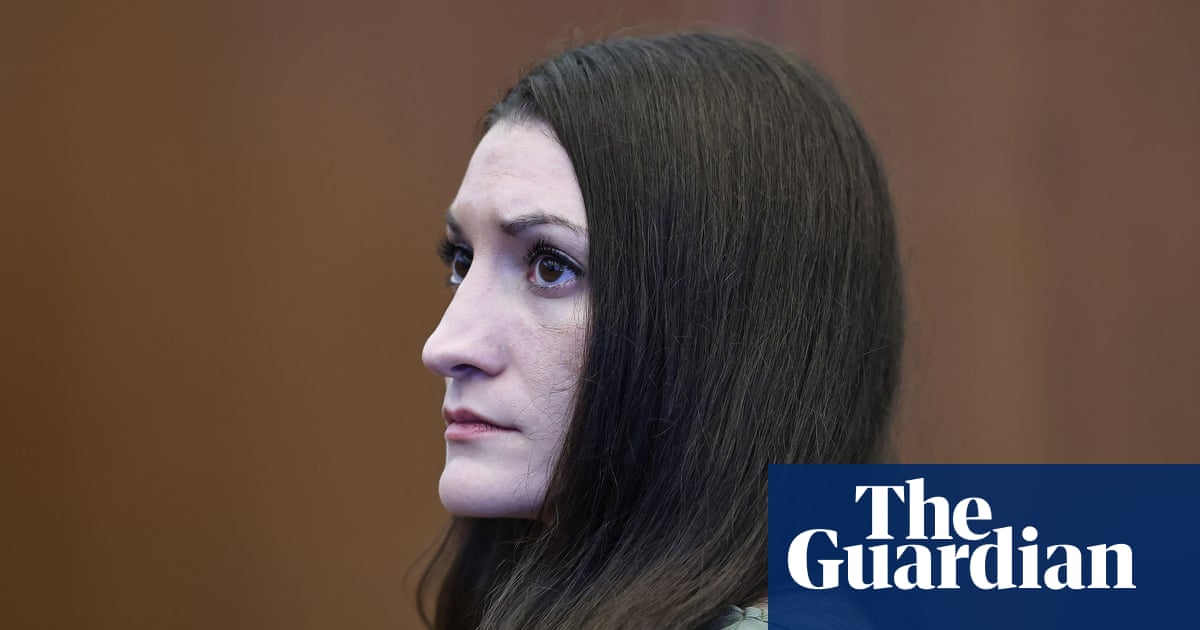
Jurors in the high-profile murder trial of Lindsay Clancy have broken their silence following a mistrial, revealing that a lone holdout acknowledged having reasonable doubt about the defendant's guilt yet still refused to support an acquittal by reason of insanity, according to the jury's foreperson. The stunning disclosure sheds new light on the bitter deliberations that led to a deadlocked panel and a mistrial declaration, raising fresh questions about the boundaries of jury instructions and the future of the case as explored in World coverage.
The disclosures, shared with NBC News and reported by outlets including Newsweek, News24, and Ntd, describe a fractured panel struggling to reach consensus. The case centers on the events of January 2023, when Clancy strangled her three young children—Cora, Dawson, and Callan—at their home before attempting suicide by jumping from a window, which left her paralyzed. The defense argued she suffered from severe postpartum psychosis and lacked criminal responsibility, while prosecutors maintained she acted deliberately.
Media additions
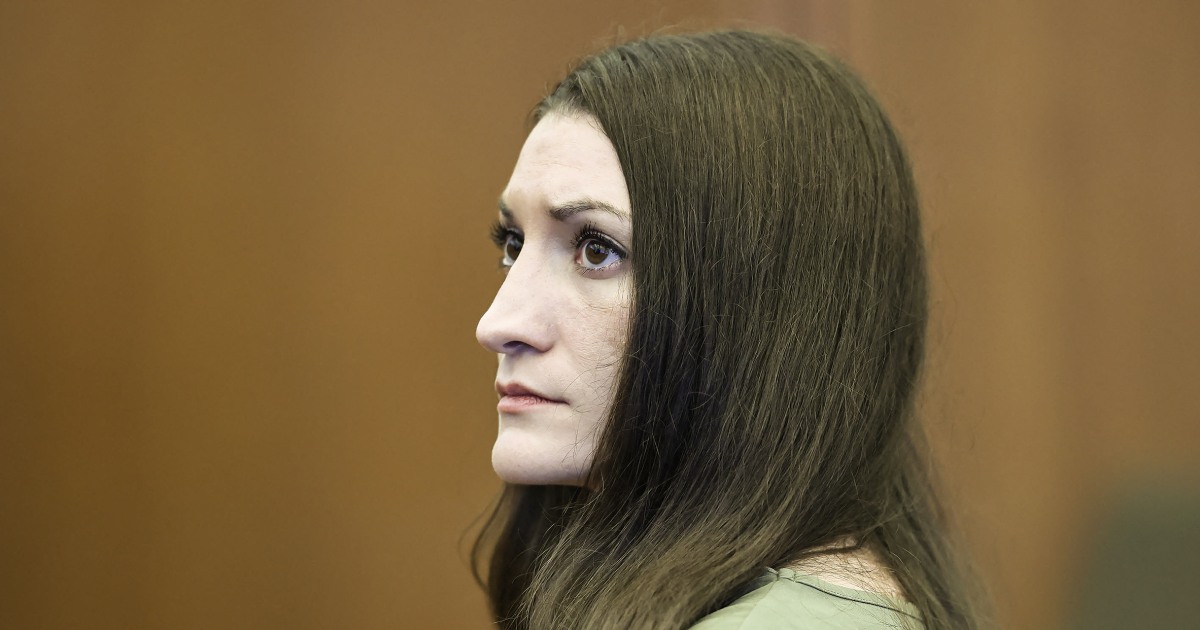
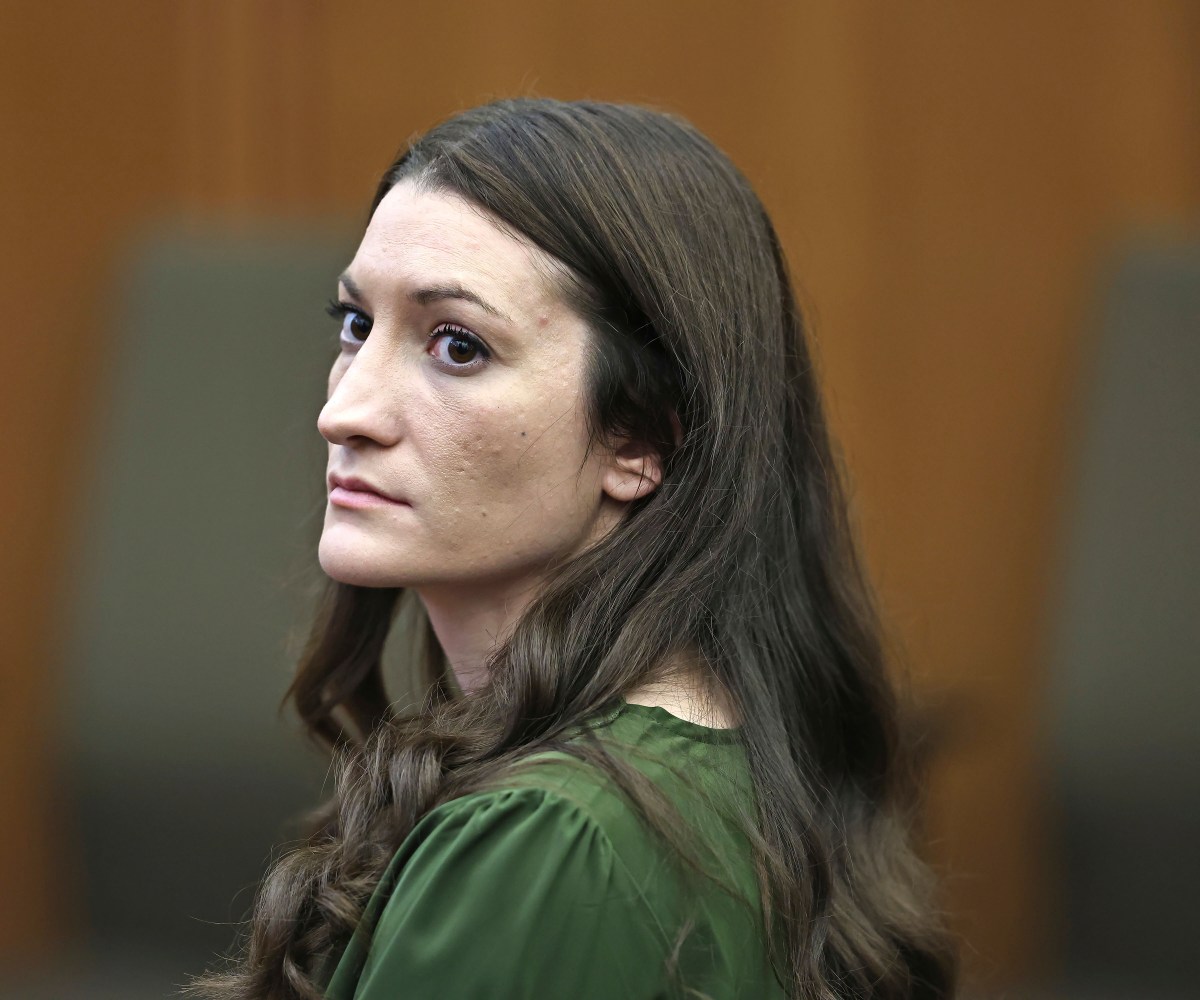

Roni Carlson, the jury foreperson and a retired teacher, recounted a moment during deliberations when she believed a verdict had finally been reached. As detailed by PBS, Carlson stated that the male holdout admitted to harboring reasonable doubt. Believing an acquittal was secured, Carlson began filling out the required verdict paperwork, signing each form. However, according to Carlson, the juror immediately reversed course, stating that he was still not going to say she was not guilty by reason of insanity.
Other members of the panel corroborated the description of a deeply divided room. Paula Devlin, another juror who spoke with reporters, described the holdout as very arrogant and unwilling to consider the perspectives of fellow panel members. Jurors noted that disagreements became so intense that alternate jurors stationed outside the room could hear the shouting and assumed they were fighting. Despite the emotional toll, which included tears, walking the room, and eventually forming close friendships among the majority, the deadlock held.
The internal conflict spilled into the courtroom when Carlson sent a note to Judge William Sullivan expressing concern that a juror was refusing to follow instructions on reasonable doubt. Kevin Reddington, Clancy's lead defense attorney, seized upon the note to request the removal of the holdout juror, warning that leaving the juror in place would lead to an unfair mistrial. Judge Sullivan ultimately declined to intervene, stating it was inappropriate for the court to take sides between a single juror and the rest of the panel, a procedural dilemma previously outlined in Lindsay Clancy trial stalls as single juror blocks verdict on sixth day and Lindsay Clancy’s lawyer seeks removal of juror obstructing murder verdict.
| Key Trial Figure / Source | Stance / Perspective | Reported Action / Statement |
|---|---|---|
| Roni Carlson (Foreperson) | Juror / Majority | Stated the holdout admitted reasonable doubt but refused an insanity verdict; initiated paperwork prematurely. |
| Paula Devlin (Juror) | Juror / Majority | Described the holdout as very arrogant and closed off during deliberations. |
| Kevin Reddington | Defense Counsel | Pressed Judge Sullivan to remove the holdout juror and prepare for a potential retrial. |
| Judge William Sullivan | Presiding Judge | Declined to remove the juror, read the Tuey-Rodriguez instruction, and ultimately declared a mistrial. |
Following the mistrial, NBC Boston reports that Clancy remains held at a psychiatric hospital. The emotional climate of the trial and the juror accounts have added to what participants described in Emotional rollercoaster' - Lindsay Clancy jurors speak out on what led to mistrial as an exhausting ordeal for all involved.
What happens next in the legal proceedings depends entirely on the actions of Plymouth County prosecutors. The timeline of upcoming decisions and hearings includes:
- 29 September 2026: A status hearing is scheduled in the case, where prosecutors are expected to indicate whether they will pursue a retrial, negotiate a plea, or drop the charges.
- Prosecutorial Review: The district attorney's office will evaluate the merits and resources required for a second trial, while the defense maintains it is fully prepared with witnesses and evidence if a retrial is ordered.
How significant is this development?
Contribute your assessment to the aggregated reader sentiment ledger.
Frequently Asked Questions
Key questions answered in this reportWhat is the key development in: Lindsay Clancy juror had reasonable doubt but would not agree to acquit, foreperson says?
The Lindsay Clancy jury foreperson revealed that a lone holdout acknowledged having reasonable doubt yet refused to support an insanity verdict.
Why is this World development significant for the UK?
This report covers critical events in our World beat. Independent reporting monitors related UK statements, regulatory shifts, and public responses as further verified details emerge.
How was this reporting corroborated and verified?
Newsarchy UK compiles and cross-references reporting from primary reporting from jurist.org and cross-checked wire reports. All coverage adheres to published editorial standards.
When was this report published?
This briefing was published on September 9, 2026 and is permanently cataloged in the Newsarchy UK World archives.