Thames Water creditors plan to pursue buyout even if firm is nationalised
A consortium of creditors is preparing for legal action to challenge a potential government takeover of Thames Water, as they push their own £10bn rescue plan.
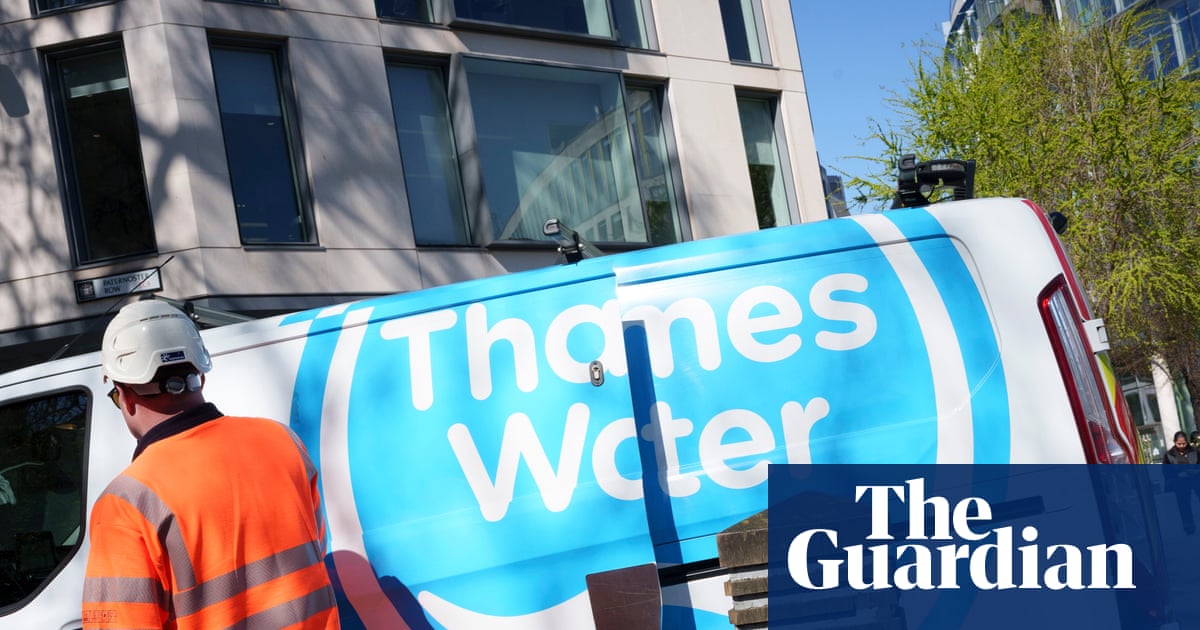
- Core Development: A consortium of creditors is preparing for legal action to challenge a potential government takeover of Thames Water, as they push their own £10bn rescue plan.
- Beat Context: Categorized under Business with independent corroboration.
- Reporting Depth: 3 minute analytical read synthesized from verified newsroom sources.
A group of major financial investors is preparing for a protracted legal conflict with the incoming administration of Andy Burnham over the future of Thames Water. As the utility company faces a critical financial deadline, the London & Valley Water (L&VW) consortium—a syndicate of creditors holding approximately £17bn of the firm's £21bn debt—has moved to strengthen its position should the government opt for nationalisation.
The consortium has engaged Pallas Partners, a specialist litigation and disputes firm, to develop a legal strategy to challenge any government move toward a special administration regime (SAR) or full nationalisation. These legal preparations are intended to run alongside the work of Akin Gump, the law firm advising the group on the financial restructuring of the utility. According to reports, the investors view the prospect of litigation as a last resort, but they are preparing for a battle that could span years should their rescue proposals be discarded by the new government.
Media additions
The utility company serves 16 million customers across London and the Thames Valley. The company has warned it could exhaust its available funding by the end of this year, though creditors within the L&VW group have signaled an intent to continue financing the company into 2027.
The tension centers on a proposed £10bn rescue package currently under discussion with the regulator, Ofwat. The consortium’s latest plan includes an injection of £3.35bn in new equity, £6.25bn in fresh borrowing, and a write-off of £9.6bn of existing debt. Under this model, no dividends would be paid to shareholders until the 2030s, with a target of returning the company to public markets in approximately five years.
Political friction and the "public control" debate
The uncertainty has deepened as the transition to an administration led by Andy Burnham approaches, with the incoming Prime Minister expected to take office within two weeks. Mr. Burnham has frequently advocated for greater public control of essential services. Regarding the utility giant specifically, he stated last month:
"I would say for Thames Water, that [greater public ownership] is what should be done."
In mid-June, Environment Secretary Emma Reynolds expressed significant reservations regarding the rescue proposal. In correspondence with Ofwat, Ms. Reynolds noted:
"I am not yet convinced that the Proposal demonstrates sufficient protection for consumers' interests. I am concerned that consumers will ultimately bear an undue cost for these adjustments."
Thames Water chief executive Chris Weston has cautioned against the impact of state intervention, noting that placing the utility into administration or nationalising it would place the burden on the public purse, effectively forcing it to compete for funding against the NHS, the military, and education.
Competing visions for the utility
While the L&VW consortium seeks a private-sector solution, other entities have signaled interest in an SAR, including Hong Kong-based CK Infrastructure Holdings and Castle Water. Under an SAR, an independent insolvency expert would operate the company on behalf of taxpayers. Proponents of the creditors' plan argue that such a process would be costly and inefficient, potentially requiring billions in taxpayer funds with an uncertain duration, creating further instability for the company's 8,000 employees.
The situation remains volatile, with the Ofwat chair, Iain Coucher, confirming that a revised proposal is currently in development. Sources close to the creditors suggest they may offer Thames Water shares directly to customers as part of a future attempt to address government concerns.
What to watch next:
- Government transition: The formal entry of Andy Burnham into Downing Street is expected within the next two weeks, which will clarify the government's official position on the £10bn rescue bid.
- Regulatory timeline: Ofwat is required to host a three-month public consultation on any private-sector deal, putting pressure on the timeline for reaching a solvent agreement before the company's year-end funding cliff.
- Legal maneuvers: While no litigation is active, the formal engagement of Pallas Partners signals the intent of the lenders to challenge state-led acquisition on multiple legal grounds.
- Financial transparency: Following public backlash regarding the company's annual report, which revealed a pay increase for the chief executive to £1.16m, all parties will face scrutiny over whether any final deal includes executive pay reform or consumer protection guarantees.
How significant is this development?
Contribute your assessment to the aggregated reader sentiment ledger.
Frequently Asked Questions
Key questions answered in this reportWhat is the key development in: Thames Water creditors plan to pursue buyout even if firm is nationalised?
A consortium of creditors is preparing for legal action to challenge a potential government takeover of Thames Water, as they push their own £10bn rescue plan.
Why is this Business development significant for the UK?
This report covers critical events in our Business beat. Independent reporting monitors related UK statements, regulatory shifts, and public responses as further verified details emerge.
How was this reporting corroborated and verified?
Newsarchy UK compiles and cross-references reporting from primary reporting from aol.com and cross-checked wire reports. All coverage adheres to published editorial standards.
When was this report published?
This briefing was published on July 19, 2026 and is permanently cataloged in the Newsarchy UK Business archives.