The Latest: Trump administration lowers fuel economy standards
The Trump administration has rolled back the CAFE rules, lowering the 2031 fuel‑efficiency target to 34.9 mpg as gasoline prices rise and legal challenges loom.
- Core Development: The Trump administration has rolled back the CAFE rules, lowering the 2031 fuel‑efficiency target to 34.9 mpg as gasoline prices rise and legal challenges loom.
- Beat Context: Categorized under Business with independent corroboration.
- Reporting Depth: 4 minute analytical read synthesized from verified newsroom sources.
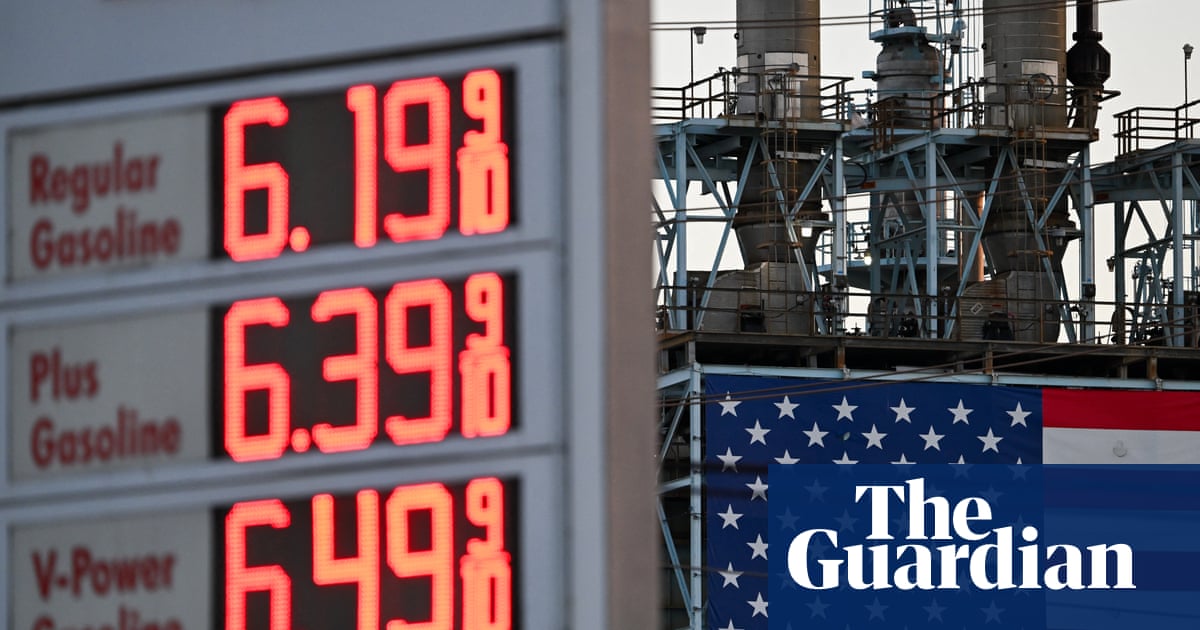
On Monday, the Trump administration rolled back the Corporate Average Fuel Economy (CAFE) rules that had been tightened under President Biden, setting a new fleet‑wide target of 34.9 miles per gallon for passenger cars and light trucks in the 2031 model year. The decision, announced at a White House briefing, is part of a broader effort to cut federal mandates on electric vehicles and to reduce what the administration calls the “waste” of building cars that consumers do not want. The move comes as gasoline prices have surged following the U.S.’s rejection of an Iranian proposal to reopen the Strait of Hormuz, a development that has pushed the national average price for a gallon of regular fuel to nearly $4.50.
The new standards were unveiled by the Department of Transportation (DOT) and the National Highway Traffic Safety Administration (NHTSA) in a joint statement that cited a projected industry‑wide average of roughly 34.9 mpg. The change is effectively a reversal of the 2024 standards that had pushed automakers toward cleaner, more efficient vehicles. The DOT said the rule would “take the waste out of building cars in America” and free families from what it calls an illegal mandate that forced the production of expensive electric vehicles.
Media additions

"Thanks to President Trump's leadership, we have finally ended the illegal mandate that forced automakers to produce more expensive electric vehicles that American families didn't want,"
Transportation Secretary Sean Duffy, via CBS News
In contrast, environmental groups and industry observers have raised concerns. Dan Becker, director of the Center for Biological Diversity’s Safe Climate Transport Campaign, said the rollback would “increase gasoline usage and pollution, costing consumers at the pump and at the doctor's office.” Katherine García of the Sierra Club echoed the sentiment, warning that less efficient cars would “make driving more expensive” and “dirtier air.”
"Less fuel-efficient cars mean more gas burned, spending more at the pump, and dirtier air in our communities,"
Katherine García, Sierra Club, via PBS NewsHour
Automakers have largely welcomed the change. The Alliance for Automotive Innovation, which represents domestic manufacturers such as General Motors, Ford and Stellantis, called the rule a “course correction” that aligns standards with market realities. John Bozzella, president and CEO of the alliance, said the previous standards “effectively required a switchover to electric vehicles that was out of step with customer demand.”
"The standards finalized under the previous administration effectively required a switchover to electric vehicles that was out of step with customer demand. Today's final rule is an appropriate course correction,"
John Bozzella, Alliance for Automotive Innovation, via WFAE
Industry analysts note that the new rule also eliminates the ability for automakers to trade fuel‑efficiency credits, a mechanism that had allowed companies to offset lower fuel economy in one model with higher efficiency in another. The NHTSA said the change would “make cars cheaper” by removing these credits and by setting a slower annual increase of 1% in fuel‑efficiency requirements, compared with the 2% increase that had been mandated under Biden.
| Rule | Target 2031 | Yearly Increase |
|---|---|---|
| Biden‑era CAFE | 50.4 mpg | 2 % per year |
| Trump‑era CAFE | 34.9 mpg | 1 % per year |
The decision follows a broader pattern of deregulatory actions taken by the Trump administration since taking office in January 2025. Earlier this year, the administration rolled back tailpipe emissions rules, repealed fines for automakers that did not meet federal mileage standards, and terminated consumer credits worth up to $7,500 for electric‑vehicle purchases. These moves have been described by critics as a concerted effort to roll back the Biden administration’s climate agenda.
Meanwhile, the U.S. Is grappling with the fallout from the war in Iran. The conflict has disrupted global oil supplies, contributing to the current high gasoline prices. According to the AAA, the national average price for a gallon of gasoline rose to $4.47 on Monday, up from $4.09 a month earlier. The DOT’s own analysis suggests the new standards could cut yearly oil consumption in 2050 by about 1.3 billion barrels compared with 2024 consumption, but environmental groups argue that the relaxed rules would, in the long run, offset those savings with increased emissions.
Legal challenges are likely. The Center for Biological Diversity has already filed a lawsuit seeking to block the rule, arguing that it violates the Clean Air Act. The U.S. Chamber of Commerce has expressed support for the rule, citing the potential for job creation in the domestic auto sector. The outcome of these legal battles will shape the future of U.S. Fuel‑efficiency policy for years to come.
In a related development, the U.S. And China have released reciprocal $30 billion product lists for tariff cuts, a move that could boost bilateral trade amid the ongoing tensions over the Strait of Hormuz. The White House has also announced plans to open a new steel plant in eastern Iowa, a project that the administration frames as part of its broader push to revitalize American manufacturing.
How significant is this development?
Contribute your assessment to the aggregated reader sentiment ledger.
Frequently Asked Questions
Key questions answered in this reportWhat is the key development in: The Latest: Trump administration lowers fuel economy standards?
The Trump administration has rolled back the CAFE rules, lowering the 2031 fuel‑efficiency target to 34.9 mpg as gasoline prices rise and legal challenges loom.
Why is this Business development significant for the UK?
This report covers critical events in our Business beat. Independent reporting monitors related UK statements, regulatory shifts, and public responses as further verified details emerge.
How was this reporting corroborated and verified?
Newsarchy UK compiles and cross-references reporting from primary reporting from the-journal.com and cross-checked wire reports. All coverage adheres to published editorial standards.
When was this report published?
This briefing was published on September 28, 2026 and is permanently cataloged in the Newsarchy UK Business archives.