Healey vows to stick to fiscal rules in budget built on hope
Chancellor John Healey used his first conference speech to pledge a new age of industrialisation while committing to strict Treasury fiscal rules amid rising debt.
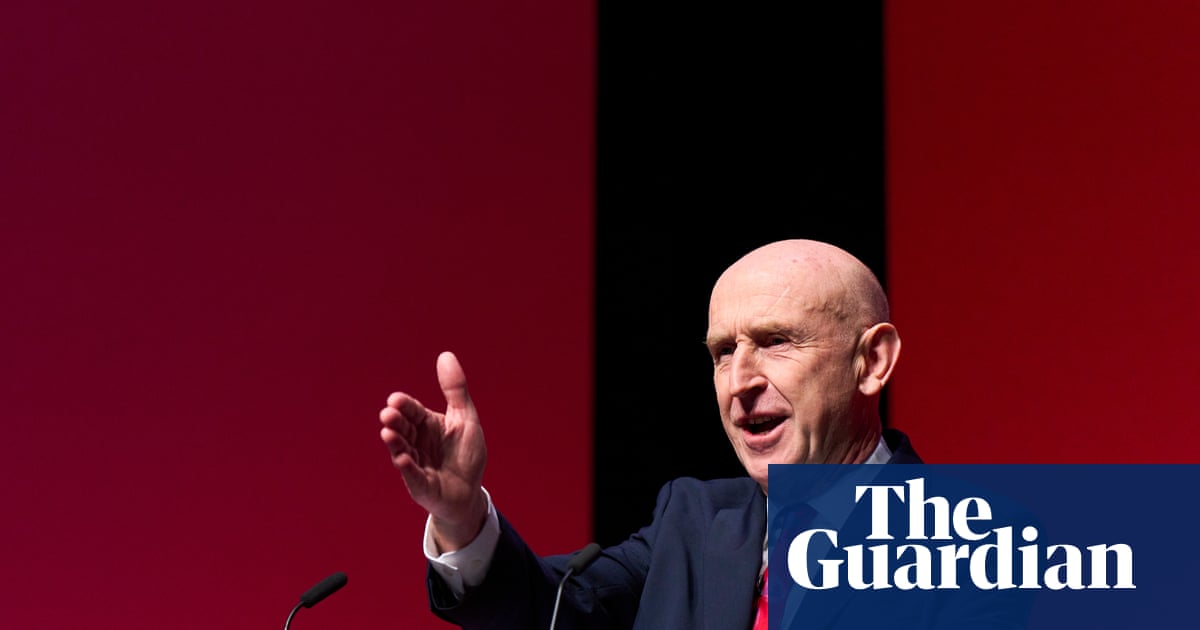
- Core Development: Chancellor John Healey used his first conference speech to pledge a new age of industrialisation while committing to strict Treasury fiscal rules amid rising debt.
- Beat Context: Categorized under NHS with independent corroboration.
- Reporting Depth: 3 minute analytical read synthesized from verified newsroom sources.
At Labour’s annual conference in Liverpool, John Heal — the newly appointed chancellor under Prime Minister Andy Burnham — laid out a vision that blends optimism with a hard‑line commitment to fiscal discipline. He framed the speech as an attempt to inject hope into the economy while pledging that the Treasury’s core rule, that day‑to‑day spending must match revenue by 2030, would remain unbroken.
“There is nothing progressive about losing control because it’s always working people who pay for it,” Heal said, echoing a theme that ran through the address. He stressed that he and Burnham were “in lockstep” on meeting the fiscal rules, a point he repeated several times as he outlined measures to support jobs, growth and welfare reform.
Media additions
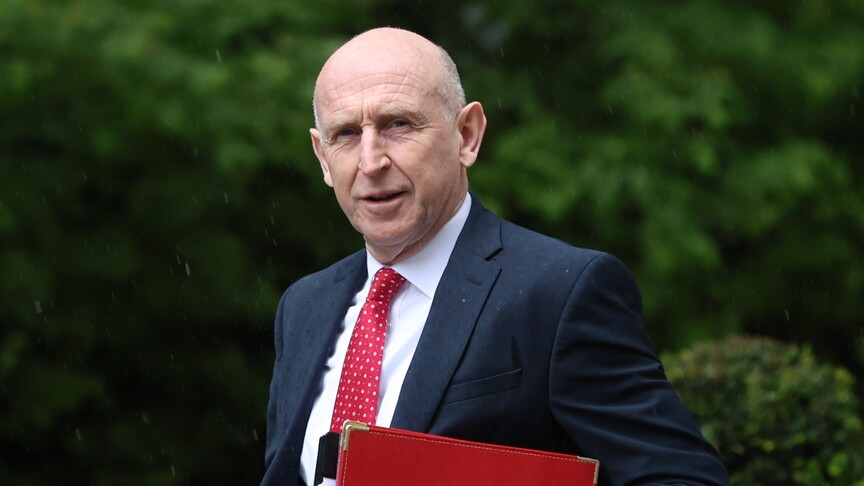


“There is nothing progressive about losing control because it’s always working people who pay for it.”
John Heal, via The Guardian
Heal took a long‑standing line of the party, warning that the government must act to bring down Britain’s ballooning benefits bill. He described the rising bill as “not progressive” and said the government had a moral duty “to write a new chapter of hope” for the nation. The chancellor added that the budget would give families and businesses “a bit of breathing space” and would be built on the rock of fiscal discipline.
He also highlighted the need to tackle youth unemployment, announcing a new Local Apprenticeships Service. The scheme, backed by £100 million and run by mayors, will match young people with employers and is slated to roll out across England from March 2027. Heal said it would deliver thousands more apprenticeships and help the one in eight 16‑to‑24‑year‑olds who are “Not in Education, Employment or Training” (NEETs) move into work.
“The best thing we can offer a young person is not a benefit payment – it's a first job with training and a wage.”
John Heal, via Yahoo News
In addition to labour market reforms, the chancellor pressed on industrial ambitions. He announced that Rolls‑Royce would invest an extra £300 million in its British factories in Derby, Bristol, Glasgow and Rotherham. He also unveiled £6 bn of contracts for British shipyards as part of a broader strategy to usher in a “new age of industrialisation.”
Heal added that the government would bring back the Union Learning Fund, established in 1998 and abolished by the Conservatives, to help working people gain new skills in an age of artificial intelligence. He did not yet detail how the fund would be financed.
When asked about the size of the welfare bill, the chancellor cited figures released by the Department for Work and Pensions. Britain is forecast to spend £333.7 bn on welfare and social security in 2025/26, with more than half – 55% – going to pensioner benefits. He also warned that the Conservative government had left the country spending more on debt than on the Home Office, Defence and Justice combined.
He did not shy away from political attacks, calling Reform UK “dodgy” and likening its leader Nigel Farage to “Liz Truss with a Bitcoin account.” The chancellor’s comments were a direct counter to the far‑right’s own rhetoric about a new age of industrialisation built on “fantasy funding.”
Nigel Farage – he wants you to think he’s a man of the people but when it comes to the economy he’s Liz Truss with a Bitcoin account.
John Heal, via aa.com.tr
He also noted that the money New Labour had in the 1990s was simply not there now, a reality he described in a series of remarks that highlighted the differences between the current global backdrop and the relative comfort of the 1990s. He warned that the government must keep a buffer against uncertainty and control borrowing to bring down inflation.
What’s next?
- 28 October – the first Budget, where Heal will detail how the promises made in Liverpool square with the fiscal rule.
- March 2027 – rollout of the Local Apprenticeships Service across England.
With the Treasury’s fiscal rule in place and a clear industrial agenda in the mix, the coming month will test whether the Labour government can deliver on its promises of hope while staying within the constraints of public finance.
How significant is this development?
Contribute your assessment to the aggregated reader sentiment ledger.
Frequently Asked Questions
Key questions answered in this reportWhat is the key development in: Healey vows to stick to fiscal rules in budget built on hope?
Chancellor John Healey used his first conference speech to pledge a new age of industrialisation while committing to strict Treasury fiscal rules amid rising debt.
Why is this NHS development significant for the UK?
This report covers critical events in our NHS beat. Independent reporting monitors related UK statements, regulatory shifts, and public responses as further verified details emerge.
How was this reporting corroborated and verified?
Newsarchy UK compiles and cross-references reporting from primary reporting from The Guardian and cross-checked wire reports. All coverage adheres to published editorial standards.
When was this report published?
This briefing was published on September 28, 2026 and is permanently cataloged in the Newsarchy UK NHS archives.