Trump Puts Any Iran Strike On Hold Until After Nov. 3 Midterms
President Donald Trump has delayed any potential U.S. military strike against Iran until after the midterm elections, balancing diplomatic talks with domestic economic pressures.
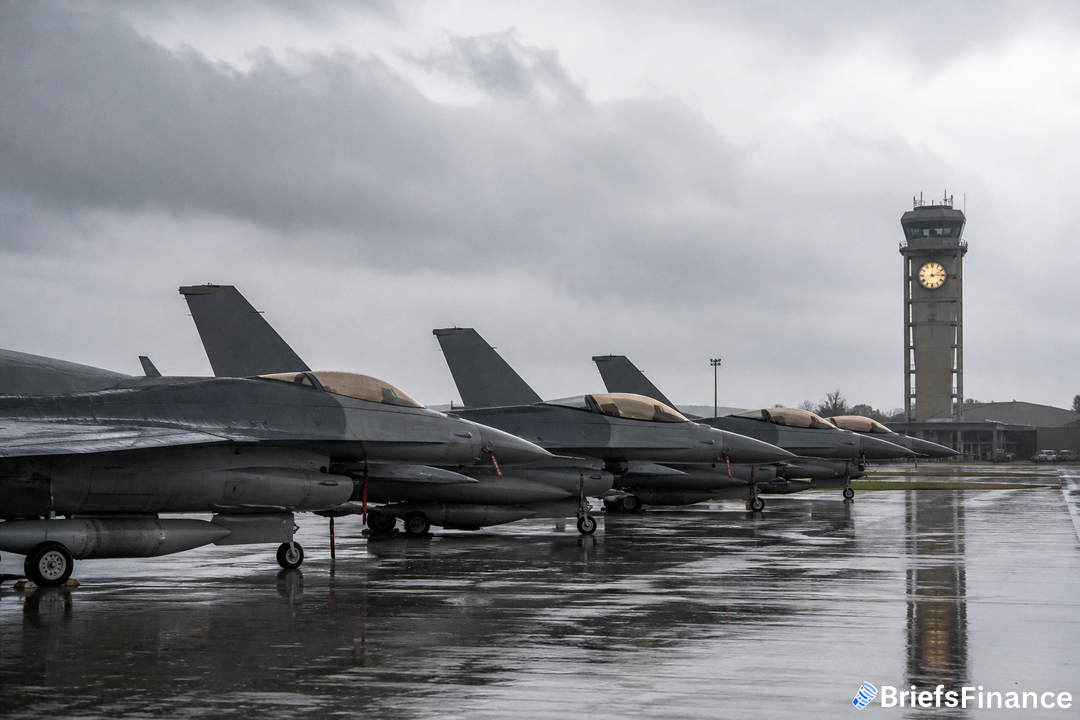
- Core Development: President Donald Trump has delayed any potential U.S. military strike against Iran until after the midterm elections, balancing diplomatic talks with domestic economic pressures.
- Beat Context: Categorized under Business with independent corroboration.
- Reporting Depth: 4 minute analytical read synthesized from verified newsroom sources.
President Donald Trump has announced that any potential U.S. Military strike against Iran will be placed on hold until after the midterm elections on Nov. 3, 2026, according to Briefs. The decision pairs a pause in immediate military escalation with ongoing diplomatic talks between Washington and Tehran, while preserving a naval blockade on Iran and the objective of preventing Iran from acquiring a nuclear weapon, Briefs reports.
The strategic pause follows a volatile stretch of saber-rattling that rattled global energy markets. Traders reacted sharply to initial remarks from the White House regarding potential pre-election military action, sending Brent crude up more than 4% to move above $104 a barrel, Briefs notes. At the same time, Trump claimed that 22 million barrels of oil transited the Strait of Hormuz overnight without involving Iranian origin or destination, though that claim has not been independently verified by Briefs or external networks.
Media additions

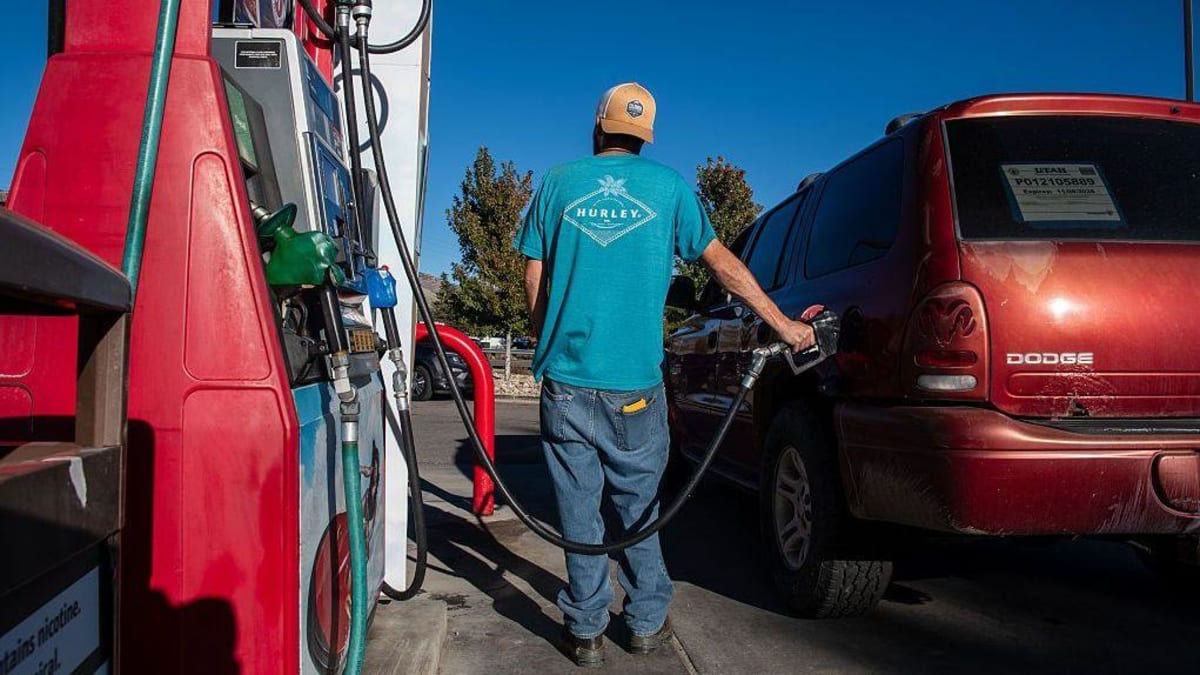

The electoral calendar has heavily influenced White House security and economic strategies as voters head to the polls. According to Briefs, AAA data show national gas prices sitting roughly 40% above last year at $4.36 a gallon, compared to $2.98 right before the war started in late February. Public backing for U.S. Military action has dropped to 31% in recent polling, down from 37% earlier in the conflict, while a vast majority of surveyed Americans expect the fighting to drag on.
Inside the administration, senior aides reportedly advocated containing the war through Election Day to limit Republican losses at the ballot box, while the Pentagon has reinforced the region with thousands of additional sailors, Marines, and aircraft carriers, Briefs details. Affordability and the cost of living remain top concerns for voters, placing immense pressure on congressional Republicans as ballots are cast.
To combat soaring energy expenses, the administration has executed several domestic measures to lower pump prices. As reported by BBC, Aol, and Ca, President Trump issued an executive order establishing a waiver on the highway use of red-dyed diesel through the end of the year, exempting it from federal levies normally applied to commercial road transport.
| Fuel Policy / Intervention | Estimated Impact | Analyst / Expert Assessment |
|---|---|---|
| Red-Dyed Diesel Waiver | Saves commercial users from federal taxes through the end of the year | Described as political posturing with limited accessibility and potential tax uncertainties down the line (Fortune, Wunc) |
| G7 Stockpile Release | Releases 100 million barrels of oil and diesel | Helped push prices down temporarily, though stocks will eventually need refilling (BBC) |
| State Tax Reductions | Cuts state gasoline levies in regions like Ohio and Georgia | Provided moderate relief at the pump, though federal cuts require congressional approval (BBC) |
Industry stakeholders and energy analysts have questioned the long-term effectiveness of the red-dyed diesel maneuver. While White House spokesperson Taylor Rogers stated that the executive action will quickly cut diesel costs and put money directly back into the pockets of American truckers, saving them more than $100 per refill (Fortune), commodities experts view the step with skepticism. Patrick De Haan, head of petroleum analysis at GasBuddy, told Fortune that the waiver does not add global supply and called it akin to "lipstick on a pig."
Furthermore, groups such as the Society of Independent Gasoline Marketers of America and the National Association of Truck Stop Owners cautioned their members against widespread adoption. Because the order establishes a tax deferral rather than a permanent forgiveness, participating retailers and operators face lingering uncertainty over whether the Internal Revenue Service will demand repayment or if Congress will ultimately bless the action, according to David Russell of TradeStation Group via Fortune. Logistics challenges also persist, as dyed diesel is primarily distributed through agricultural and rural supply chains rather than standard highway truck stops, Wunc reports.
Broader economic pressures continue to ripple through the agricultural and transportation sectors. David Ruisard, pricing manager for Argus, estimates that diesel price increases from historical averages are largely split between disruptions in the Strait of Hormuz and the impact of the Russia-Ukraine conflict on global refinery output (BBC). Oxford Economics chief U.S. Economist Michael Pearce noted that these sustained energy costs have driven inflation and pushed up interest rates, squeezing household budgets (BBC).
What to Watch Next
- Nov. 3 Midterm Elections: The primary milestone shaping political calculus, congressional races, and the immediate timing of any future foreign policy decisions regarding Iran (Briefs).
- Treasury Guidance on Tax Deferrals: Pending clarification from federal regulators on whether deferred taxes for red-dyed diesel will face future collection or congressional legalization (Fortune).
- Geopolitical Developments: Ongoing diplomatic discussions between Washington and Tehran, alongside supply recovery timelines in the Middle East and Eastern Europe (Briefs, BBC).
How significant is this development?
Contribute your assessment to the aggregated reader sentiment ledger.
Frequently Asked Questions
Key questions answered in this reportWhat is the key development in: Trump Puts Any Iran Strike On Hold Until After Nov. 3 Midterms?
President Donald Trump has delayed any potential U.S. military strike against Iran until after the midterm elections, balancing diplomatic talks with domestic economic pressures.
Why is this Business development significant for the UK?
This report covers critical events in our Business beat. Independent reporting monitors related UK statements, regulatory shifts, and public responses as further verified details emerge.
How was this reporting corroborated and verified?
Newsarchy UK compiles and cross-references reporting from primary reporting from juneauempire.com and cross-checked wire reports. All coverage adheres to published editorial standards.
When was this report published?
This briefing was published on October 9, 2026 and is permanently cataloged in the Newsarchy UK Business archives.