ULA Rocket Launch Failure Destroys 40 Amazon Satellites
United Launch Alliance suffered its first total mission loss in 20 years when a Vulcan rocket failed 10 minutes into a flight carrying 40 Amazon broadband satellites.
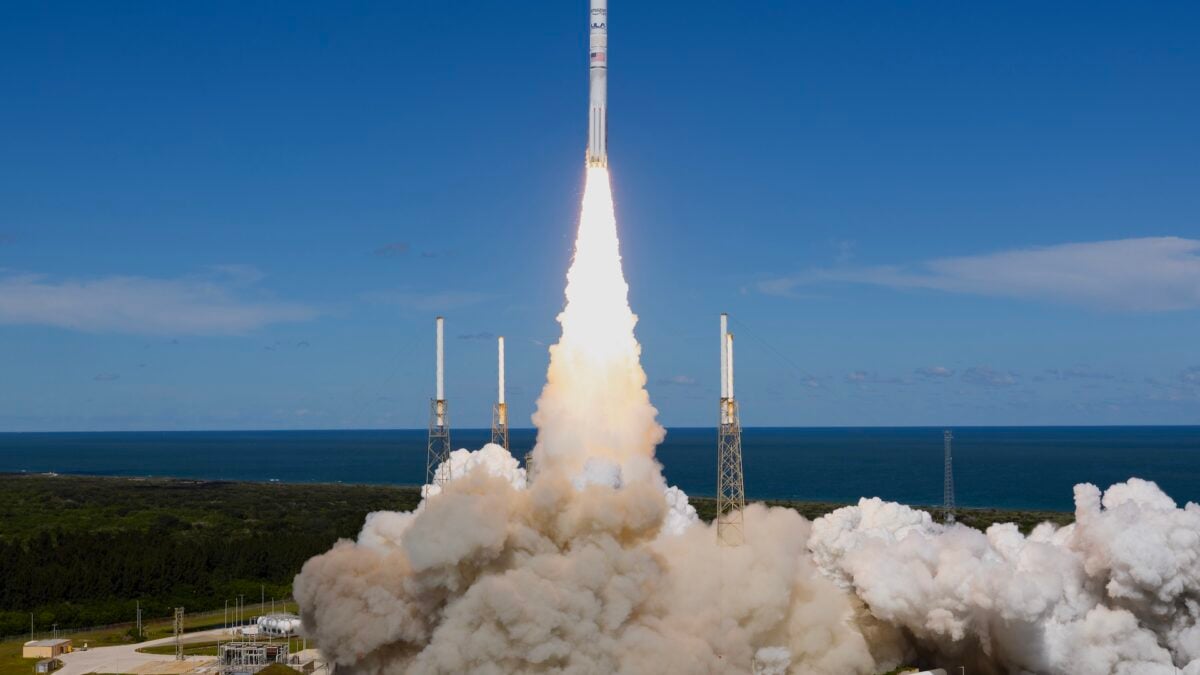
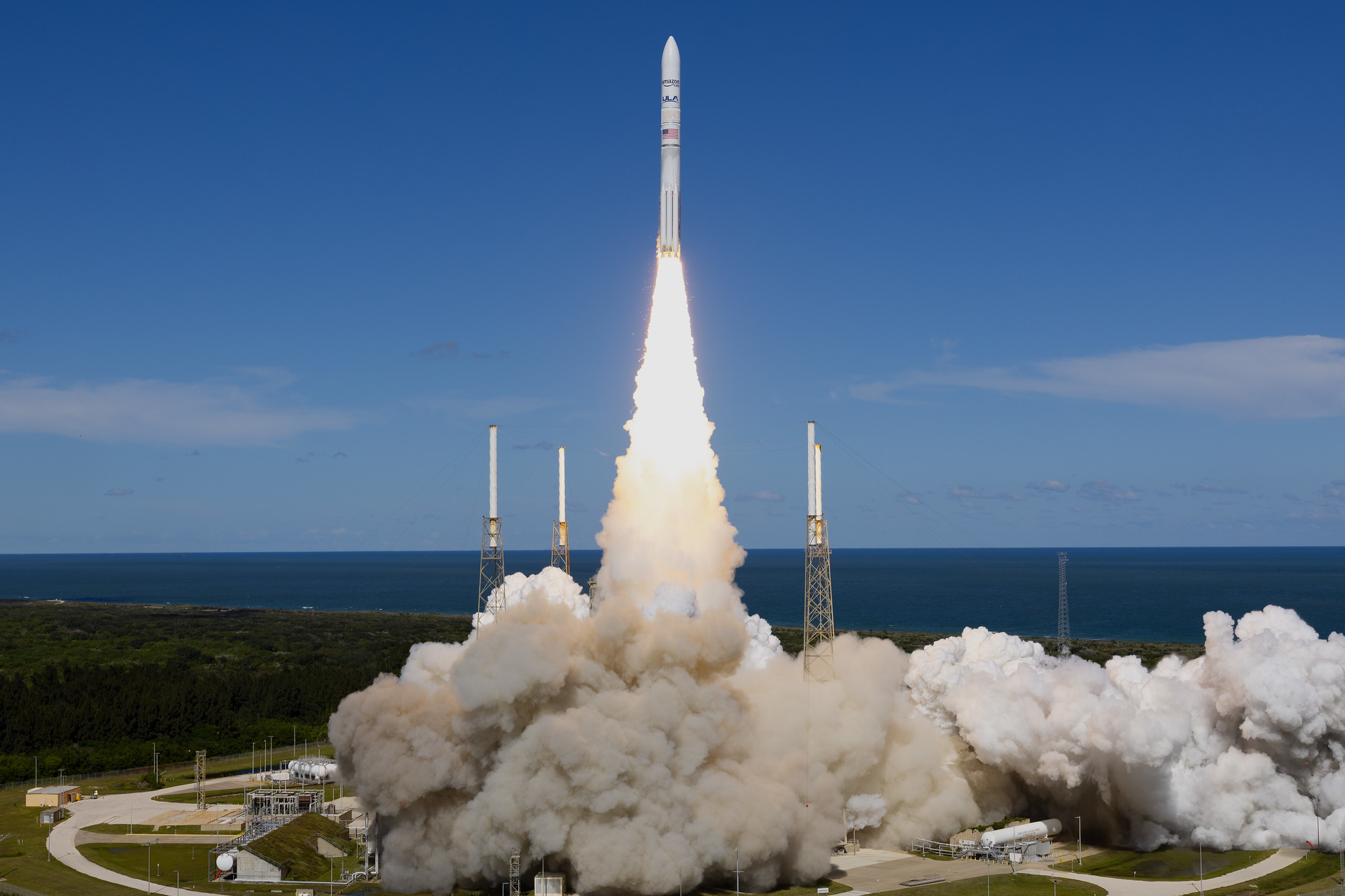
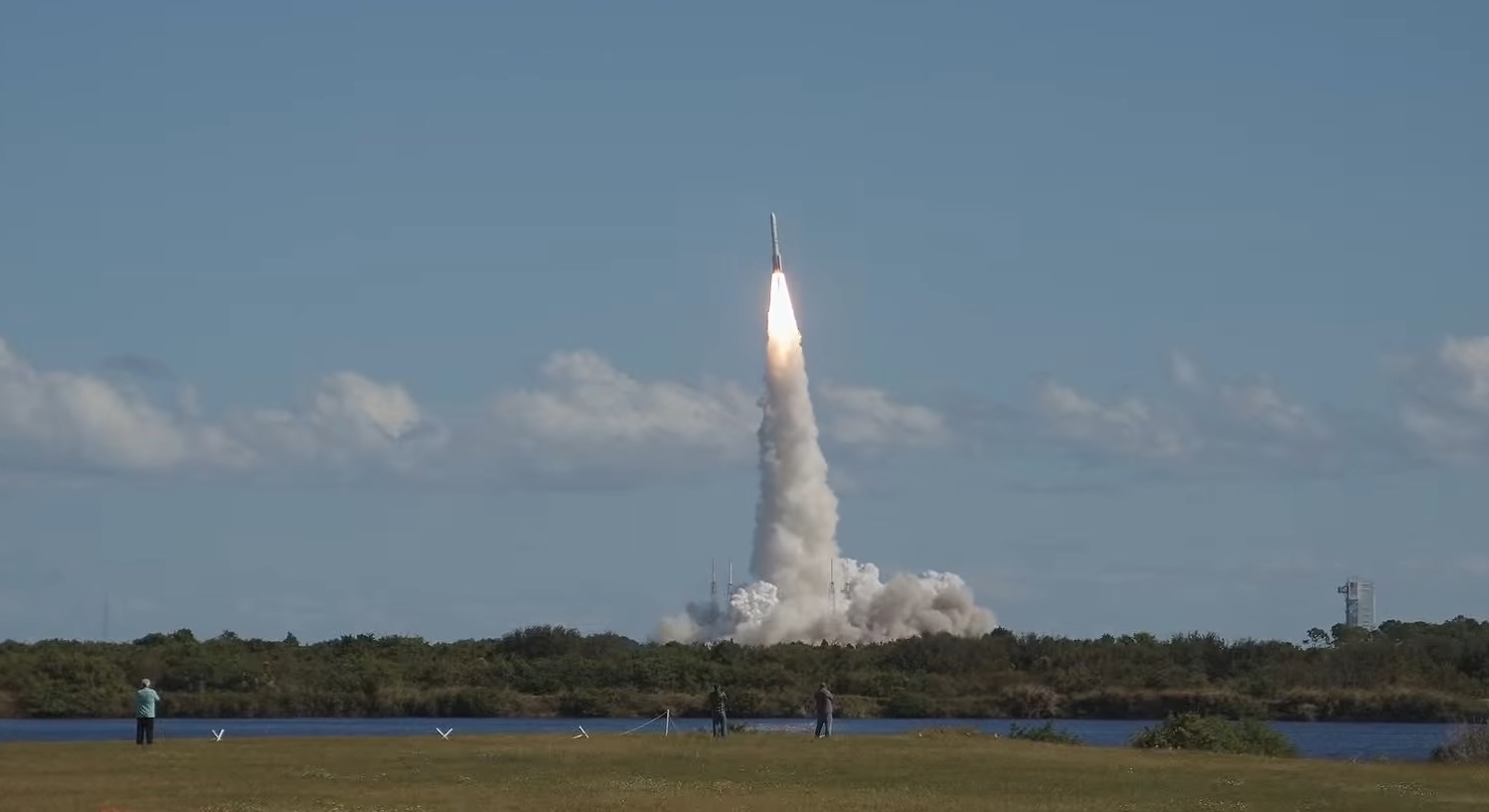
A United Launch Alliance Vulcan rocket failed 10 minutes after liftoff from Cape Canaveral on Sunday, destroying 40 Amazon Leo broadband satellites and ending ULA’s 20-year record without a total mission loss.
The 215-foot VC6L vehicle lifted off from Space Launch Complex 41 at 12:40 p.m. ET on 15 November 2026, carrying the heaviest payload ULA had ever attempted — more than 50,000 pounds of satellites bound for low Earth orbit. Six Northrop Grumman GEM 63XL solid rocket boosters separated normally about 90 seconds into the flight. Then the two Blue Origin BE-4 engines on the first stage burned at least 30 seconds longer than planned, stage separation occurred late, and telemetry showed the Centaur V upper stage spinning after its RL10 engines ignited. ULA ended its livestream minutes later and confirmed the vehicle “suffered an anomaly 10 minutes into the flight and failed to deliver the Amazon mission to orbit.”
Media additions

"Every flight generates data, and every flight teaches us something. Since the anomaly just occurred, we don't have any specific data yet to understand what occurred today."
United Launch Alliance, statement
The failure is the first outright mission loss for ULA since the Boeing–Lockheed Martin joint venture was formed in 2006. Its legacy Atlas V and Delta IV rockets completed every mission without a total failure across nearly two decades. Vulcan, which debuted in January 2024, had flown four times previously — all reaching orbit, but two of those flights experienced solid rocket booster nozzle anomalies. The U.S. Space Force paused national security launches on Vulcan after the February 2026 anomaly, pending corrective action and a successful return-to-flight demonstration. Sunday’s mission was intended to provide that demonstration.
Amazon’s deployment plan under pressure
Amazon Leo, formerly Project Kuiper, aims to deploy 3,232 first-generation satellites by a Federal Communications Commission deadline of 30 July 2029. The company had launched nearly 400 satellites since April 2025. Sunday’s LV-01 flight was the first of 38 contracted Vulcan launches, which together were slated to carry more than 1,500 satellites, the largest single share of the constellation. Amazon’s director of launch systems had called Vulcan the program’s “primary workhorse over the next several years.”
"There is risk with any launch, and that's especially true for inaugural missions like LV-01. ULA has been a trusted partner for Amazon, and we believe they'll learn from this mission and deliver on their long-term plans for Vulcan."
Amazon Leo, post on X
The loss of 40 satellites is a small fraction of Amazon’s capital budget, but the schedule impact is significant. Both of Amazon’s highest-capacity U.S. Launch vehicles are now grounded: Blue Origin’s New Glenn has been idle since a May ground-test explosion, and Vulcan is again on hold pending investigation. Amazon also holds 24 New Glenn reservations and has booked flights on Arianespace’s Ariane 6 and on SpaceX’s Falcon 9, making its chief broadband rival a launch provider.
National security implications
The Space Force had awarded ULA 19 national security missions under its latest launch procurement, compared with 28 for SpaceX. Vulcan is meant to replace the retiring Atlas V and the already-retired Delta IV as ULA’s principal vehicle for military payloads. The February booster anomaly triggered a stand-down; Sunday’s flight was the first since then and was closely watched as a certification milestone.
Boeing’s Defense, Space & Security backlog stands at $101 billion; Lockheed Martin’s at a record $292 billion. Neither company reports ULA results separately, but both face reputational exposure tied to Vulcan’s reliability.
What investigators are watching
- First-stage burn time: BE-4 engines fired longer than planned, suggesting possible underperformance that the guidance system tried to compensate for.
- Stage separation timing: Occurred later than the published timeline.
- Centaur upper stage behavior: Telemetry-driven animation showed unusual orientation changes and spinning after RL10 ignition.
- Booster performance: All six GEM 63XL boosters appeared to operate normally, unlike the nozzle anomalies on two prior flights.
ULA said it will convene a formal mishap investigation board with Amazon and regulatory stakeholders. The company has not set a return-to-flight date. Amazon’s next Leo launch is an Ariane 6 carrying 36 satellites, targeted for no earlier than 23 November from Kourou. If that flight proceeds on schedule and ULA identifies a root cause and return-to-flight plan before Amazon’s next earnings report, the setback may remain contained. If either slips, the 30 July 2029 deployment deadline becomes the governing constraint.
The failure arrived one day after SpaceX caught the upper stage of its Starship rocket for the first time, a milestone in reusable launch development. Elon Musk posted on X: “Sorry to hear this. Hope you are back to flight soon.”
What to watch next
- Arianespace Ariane 6 launch of 36 Amazon Leo satellites, no earlier than 23 November 2026.
- ULA mishap investigation board findings and root-cause determination.
- Space Force decision on resuming national security launches on Vulcan.
- Blue Origin New Glenn return-to-flight timeline after BE-4 valve retrofit validation.
- Amazon’s next earnings call for revised deployment guidance and any schedule impact on the 2029 FCC deadline.