US bond yields hit 19-year high as yen slides to 158 range
US benchmark borrowing costs reached 19-year highs as 10-year Treasury yields touched 5.12%, triggering global market sell-offs and driving the Japanese yen into the 158 range.

- Core Development: US benchmark borrowing costs reached 19-year highs as 10-year Treasury yields touched 5.12%, triggering global market sell-offs and driving the Japanese yen into the 158 range.
- Beat Context: Categorized under Business with independent corroboration.
- Reporting Depth: 4 minute analytical read synthesized from verified newsroom sources.
Global financial markets experienced a severe shock as benchmark borrowing costs surged to levels not seen in nearly two decades, driven by strong economic indicators and rising energy pressures. According to primary reporting analyzed via US Interest Rates Exceed 5% & Yen Hits 158 Range, the US 10-year Treasury yield reached 5.12% and the 5-year yield hit 5.03%. Both figures marked their highest peaks in approximately nineteen years, sending a cascade of selling pressure through risk assets worldwide and causing the foreign exchange market to see a dramatic depreciation of the Japanese currency toward the 158 range against the dollar.
The sudden surge in borrowing costs was not driven by any single indicator. Market analysts point to a combination of strong Purchasing Managers' Index readings showing manufacturing and service sector strength, hawkish commentary from Federal Reserve officials, and climbing energy prices. Following the economic data release, Federal Reserve Vice Chair for Supervision Barr indicated that additional rate hikes might be required to bring inflation back to target levels, shifting market sentiment away from anticipated rate cuts.
Media additions


Energy costs have further complicated the macroeconomic picture. Disrupted shipping routes and geopolitical conflicts in the Middle East have sent crude oil futures and diesel prices soaring globally, feeding directly into market-expected inflation rates. In the United States, motor fuel costs have faced intense upward pressure. At the same time, regional transport and logistics providers are grappling with the fallout, though some public entities have secured temporary buffers. For instance, public transit services like Green Mountain Transit have managed to stay shielded from immediate spikes by utilizing yearlong fuel supply contracts locked in earlier at lower rates, according to local reporting from WCAX.
Foreign exchange markets have reacted sharply to the widening interest rate differentials between the United States and other major economies. Despite the Bank of Japan raising its policy rate and taking steps to exit negative interest rates, the yen weakened into the 158 range. Observers Note that because US short-term yields rose significantly faster in response to strong domestic data, the interest rate spread actually widened, keeping the yen carry trade active. Options market data revealed elevated insurance premiums for currency put options, reflecting trader anxiety over potential foreign exchange intervention by Japanese authorities even as short-term yield advantages favored the dollar.
The spike in risk-free yields triggered a valuation reassessment across global equities, precious metals, and digital assets. Higher real interest rates increased the opportunity cost of holding non-yielding assets, leading to heavy liquidation of leveraged positions in cryptocurrency derivatives and paper gold markets. Simultaneously, physical gold demand from central banks and long-term institutional buyers provided a structural floor against deeper losses. Stock indices faced broad declines, though individual tech equities diverged significantly based on corporate fundamentals and competitive positioning in artificial intelligence markets.
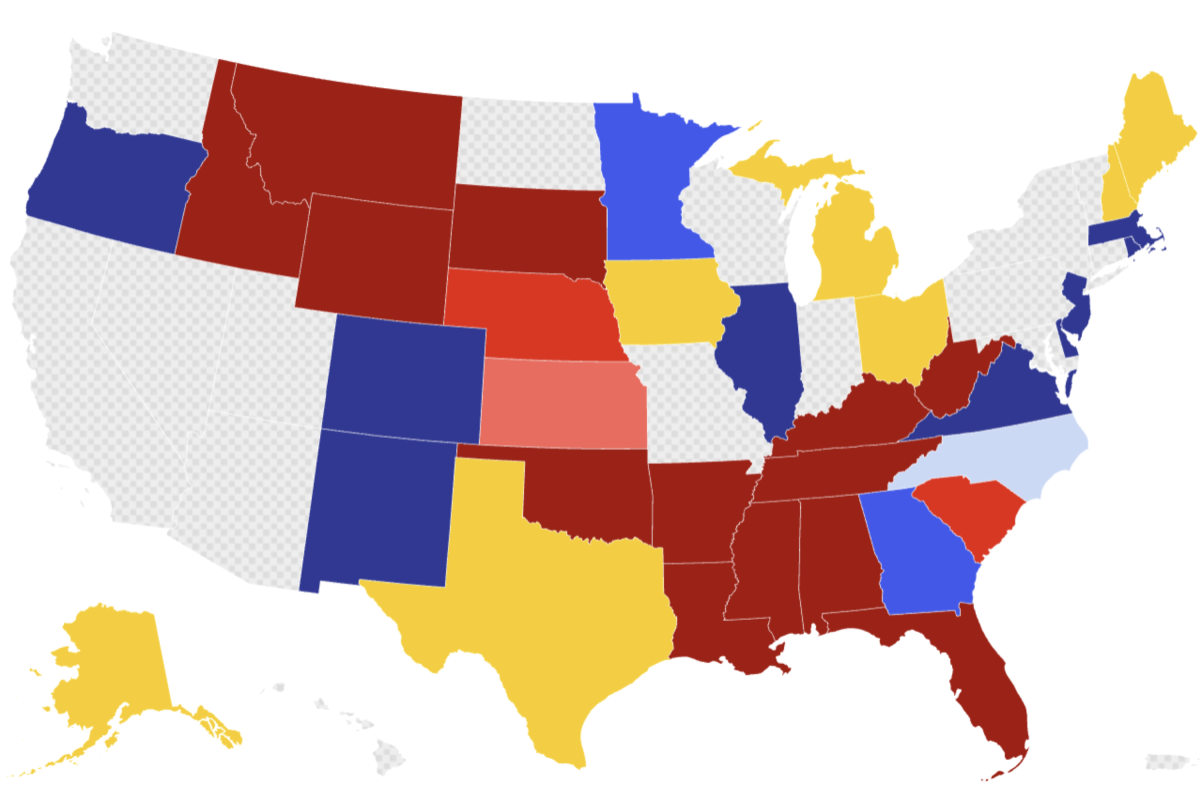
These macroeconomic shifts are also playing out against a tense political backdrop. In the United States, midterm elections are approaching on November 3, 2026, with economic anxiety surrounding inflation, cost of living, and fuel prices dominating voter sentiment. Recent polling and forecaster shifts have tightened the projected margins for control of the US Senate, as reported by Newsweek. Meanwhile, labor market indicators present a mixed picture for central bankers. The US Bureau of Labor Statistics reported that employment grew by 162,000 jobs in August while the unemployment rate remained stable at 4.1 percent, according to figures covered by Yahoo Finance. While strong job creation signals economic health, it also complicates the Federal Reserve's path forward regarding long-term inflation targets.
| Indicator / Asset | Recent Level or Metric | Context / Source |
|---|---|---|
| US 10-Year Treasury Yield | 5.12% | Highest level in approximately 19 years (Note) |
| US 5-Year Treasury Yield | 5.03% | Marked a significant supply-demand shock (Note) |
| US August Job Growth | 162,000 jobs added | Unemployment steady at 4.1% (Yahoo Finance) |
| US Senate Control Odds (Polymarket) | 66% chance for Democrats | Shifting prediction market sentiment (Newsweek) |
Central banks outside the United States are navigating these turbulent currents with varied strategies. While US policymakers weigh the risk of persistent inflation against economic momentum, other jurisdictions have adjusted policy to counter localized slowdowns. In a surprise move, Nigeria’s central bank lowered its benchmark lending rate by 350 basis points to 23%, aiming to improve monetary policy transmission despite ongoing domestic food and fuel price pressures, as reported by Business Day.
Market participants will be watching several critical developments over the coming weeks as the financial system adapts to a sustained environment of higher borrowing costs. Key areas to monitor include upcoming monthly inflation prints, central bank policy meeting outcomes, and currency intervention thresholds set by international monetary authorities.
How significant is this development?
Contribute your assessment to the aggregated reader sentiment ledger.
Frequently Asked Questions
Key questions answered in this reportWhat is the key development in: US bond yields hit 19-year high as yen slides to 158 range?
US benchmark borrowing costs reached 19-year highs as 10-year Treasury yields touched 5.12%, triggering global market sell-offs and driving the Japanese yen into the 158 range.
Why is this Business development significant for the UK?
This report covers critical events in our Business beat. Independent reporting monitors related UK statements, regulatory shifts, and public responses as further verified details emerge.
How was this reporting corroborated and verified?
Newsarchy UK compiles and cross-references reporting from primary reporting from note.com and cross-checked wire reports. All coverage adheres to published editorial standards.
When was this report published?
This briefing was published on September 25, 2026 and is permanently cataloged in the Newsarchy UK Business archives.