US unexpectedly lost 23,000 jobs in July as slump in growth continues
The United States labor market suffered an unexpected setback in July as nonfarm payrolls dropped by 23,000 and previous months saw severe downward revisions.
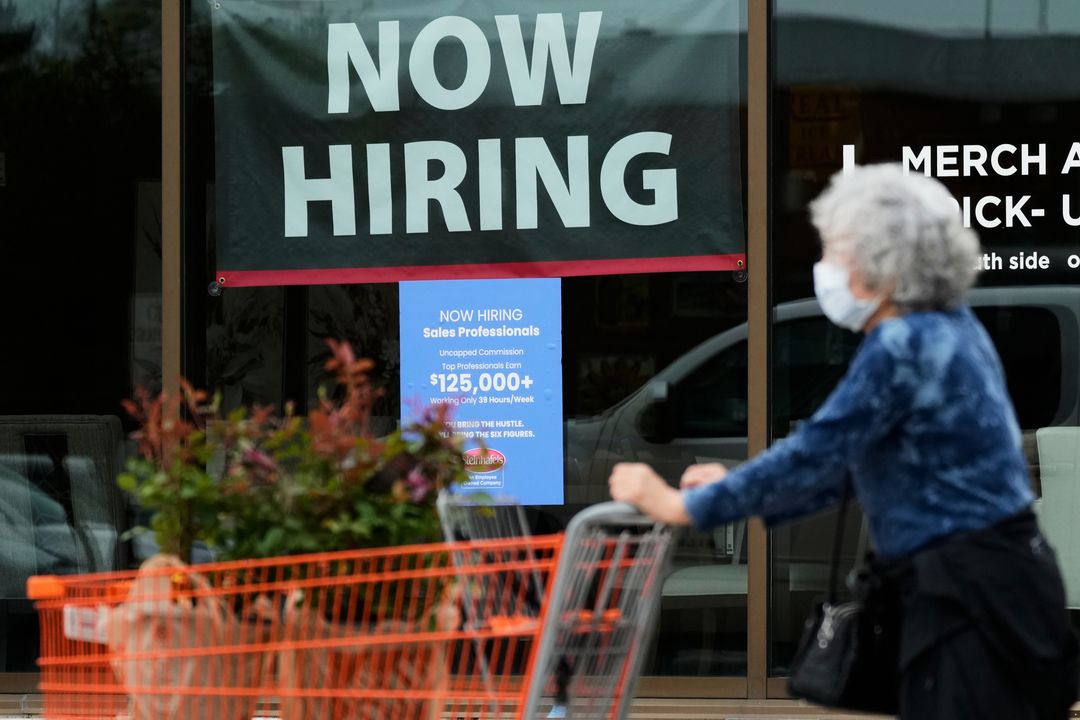
- Core Development: The United States labor market suffered an unexpected setback in July as nonfarm payrolls dropped by 23,000 and previous months saw severe downward revisions.
- Beat Context: Categorized under Business with independent corroboration.
- Reporting Depth: 4 minute analytical read synthesized from verified newsroom sources.
The United States economy unexpectedly shed thousands of positions in July, painting a much weaker picture of the national labor market than previous data indicated. According to Trtworld, nonfarm payroll employment fell by 23,000 during the month. Market expectations had instead pointed toward an increase of 85,000 new positions. Meanwhile, Aol reported that consensus projections hovered around 83,000 new jobs alongside an unchanged unemployment rate.
Despite the unexpected decline in payrolls, the national unemployment rate actually ticked down to 4.1 percent from 4.2 percent in June, leaving approximately 6.9 million people unemployed. The labor force participation rate remained little changed at 61.4 percent, though it has fallen 0.7 percentage points since January. Other underlying economic indicators had already pointed toward a cooling environment. Private payroll firm ADP noted that private employers added 44,000 jobs in July, a significant drop from the 98,000 positions added in June. Furthermore, data from the Job Openings and Labor Turnover Survey showed that job openings decreased by 178,000 down to 7.4 million in June. Job openings in healthcare and social assistance — historically key drivers of job growth — declined by 147,000 in June, marking the largest drop since July 2025.
Media additions
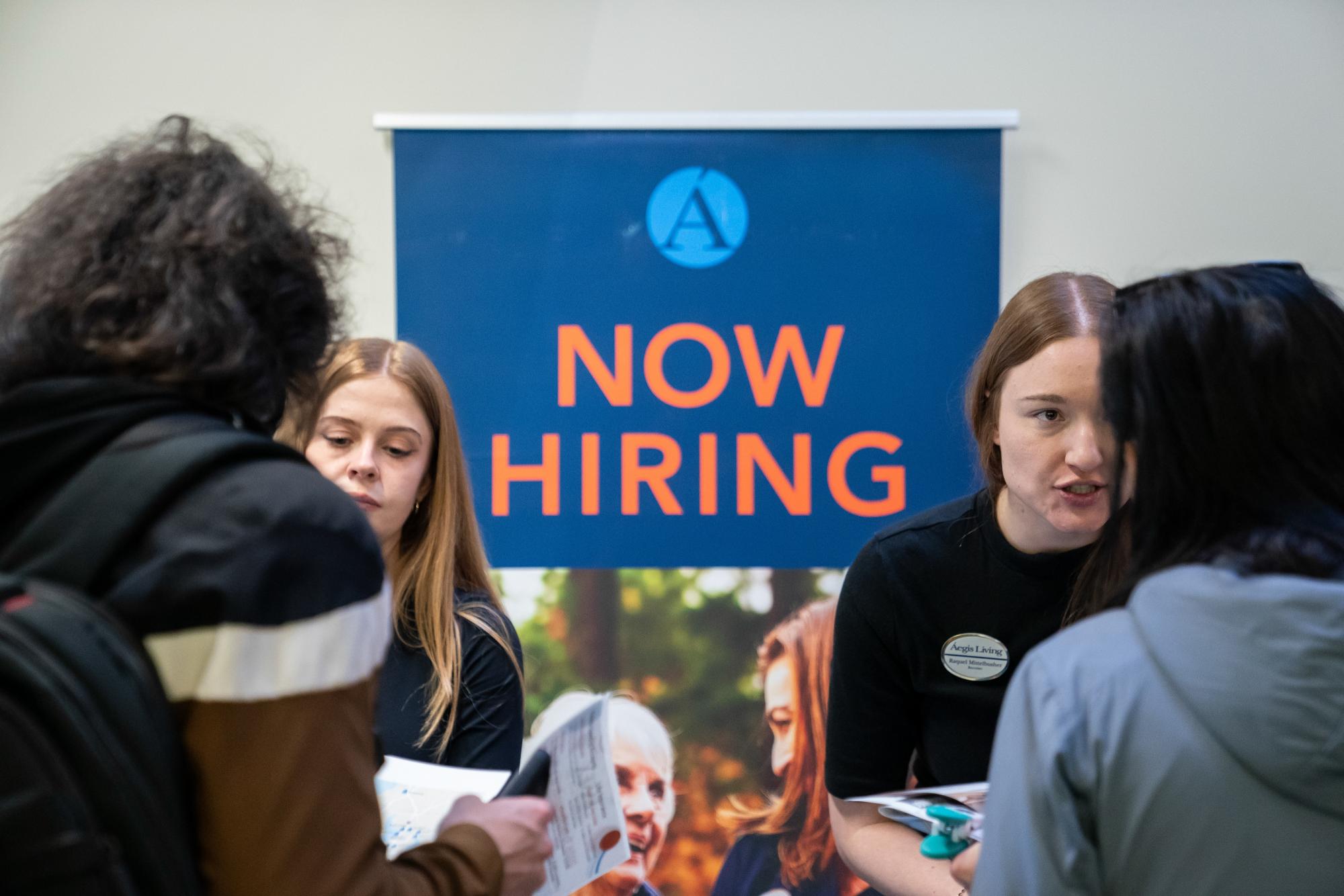
The downturn in July was compounded by severe downward revisions to preceding months. The Bureau of Labor Statistics slashed payroll growth figures for May and June by a combined total of 103,000 jobs. May's initial gain was cut from 129,000 down to 63,000, while June's gain was reduced from 57,000 to just 20,000. Economists interviewed across the reporting found these revisions difficult to dismiss. Eric Winograd, an economist at AllianceBernstein, noted that while July features massive seasonal adjustments that could explain some fluctuations in government employment, the stark downward revisions to May and June are harder to write off as mere statistical noise.
Sector-specific losses drove the July contraction. Local government education plummeted by 50,000 positions, while retail trade lost 19,000 jobs and financial activities shed 14,000. Conversely, the private sector managed to add 30,000 jobs overall, with growth concentrated once again in healthcare. Healthcare added 22,000 positions, continuing its upward trajectory though falling short of its previous year's average monthly gain of 36,000. Average hourly earnings rose by 2 cents to reach $37.62, representing a 3.2 percent increase year-on-year, while the average workweek held steady at 34.3 hours.
Economists have long described the domestic labor market as existing in a low-hire, low-fire
state. Data from outplacement firm Challenger, Gray and Christmas showed that U.S.-based employers announced roughly 33,500 job cuts in July, marking the lowest monthly total in two years. At the same time, consumer spending remained resilient by increasing 0.3 percent in June 2026, even as the personal savings rate hit a four-year low of 2.7 percent, the lowest level since June 2022 according to the U.S. Bureau of Economic Analysis.
Political fallout from the employment figures was immediate. Democratic Senator Elizabeth Warren issued a statement criticizing the administration for the weaker-than-expected numbers.
"President Trump’s failing economic agenda is weakening the labor market. Job growth in May and June was revised down by more than 100,000 jobs, job openings have fallen and more people are out of the labor force than at any time on record. And wage growth slowed, straining families’ paychecks even more as they struggle to keep up with Trump’s inflation,"
Elizabeth Warren, U.S. Senator, via Aol
The deteriorating employment data introduces fresh complexity to monetary policy debates. The Federal Reserve held its policy rate steady at 3.5%–3.75% in July. While central bank officials have faced mounting pressure to raise interest rates to combat persistently high inflation, with the annualized inflation rate in June reaching 3.5 percent, or 0.8 percent higher than a year prior, the weak jobs report could strengthen the case for lowering rates instead. Officials have previously indicated they expect at least one rate hike before the end of the year, but analysts suggest the cooling labor market may alter that trajectory.
Independent analysts reacted swiftly to the new data. Chris Low, chief economist at FHN Financial, wrote in a note to clients that the July employment report was flat-out weak. Meanwhile, Dean Baker, economist and co-founder of the Center for Economic and Policy Research, observed that immigration has largely slowed or turned net negative, leaving the labor force growing very slowly. Baker added that slower wage growth in the face of rising inflation indicates a less-than-favorable environment for most workers.
What to watch next
- Consumer Pricing Data: Scheduled for release next week, upcoming inflation figures will show whether wage gains have kept pace with price increases. Ellen Zentner, chief economic strategist at Morgan Stanley Wealth Management, noted that if those numbers come in hotter than expected, a cooler labor market may not be enough to quiet calls for hikes inside the Federal Reserve or lower expectations outside of it.
- Central Bank Policy Meetings: Observers will closely monitor upcoming Federal Reserve gatherings to see whether divisions over raising interest rates or leaving them unchanged are swayed by the latest labor market revisions. Further business coverage tracks these shifting economic developments.
How significant is this development?
Contribute your assessment to the aggregated reader sentiment ledger.
Frequently Asked Questions
Key questions answered in this reportWhat is the key development in: US unexpectedly lost 23,000 jobs in July as slump in growth continues?
The United States labor market suffered an unexpected setback in July as nonfarm payrolls dropped by 23,000 and previous months saw severe downward revisions.
Why is this Business development significant for the UK?
This report covers critical events in our Business beat. Independent reporting monitors related UK statements, regulatory shifts, and public responses as further verified details emerge.
How was this reporting corroborated and verified?
Newsarchy UK compiles and cross-references reporting from primary reporting from aol.com and cross-checked wire reports. All coverage adheres to published editorial standards.
When was this report published?
This briefing was published on August 8, 2026 and is permanently cataloged in the Newsarchy UK Business archives.