US inflation eases to 3.4% in July, easing pressure on Fed
US consumer prices rose 3.4% in the year to July, offering the Federal Reserve a modest breather ahead of its upcoming September policy meeting.
- Core Development: US consumer prices rose 3.4% in the year to July, offering the Federal Reserve a modest breather ahead of its upcoming September policy meeting.
- Beat Context: Categorized under Business with independent corroboration.
- Reporting Depth: 4 minute analytical read synthesized from verified newsroom sources.
Consumer prices rose 3.4% in the year to July, a fraction point lower than the 3.5% recorded in June. The modest dip, together with a 0.1% month‑on‑month increase, has given the Federal Reserve a breather as it heads toward its September policy meeting.
The new figures came from the Bureau of Labor Statistics on Wednesday and were echoed across major outlets. While the headline rate fell, core inflation – which strips out food and energy – slipped to 2.5% from 2.6% a month earlier, matching the lowest post‑pandemic reading.
Media additions

What the numbers say
| Metric | July | June |
|---|---|---|
| Headline CPI (annual) | 3.4% | 3.5% |
| Headline CPI (monthly) | 0.1% | 0.0% (flat) |
| Core CPI (annual) | 2.5% | 2.6% |
| Core CPI (monthly) | 0.2% | 0.1% (flat) |
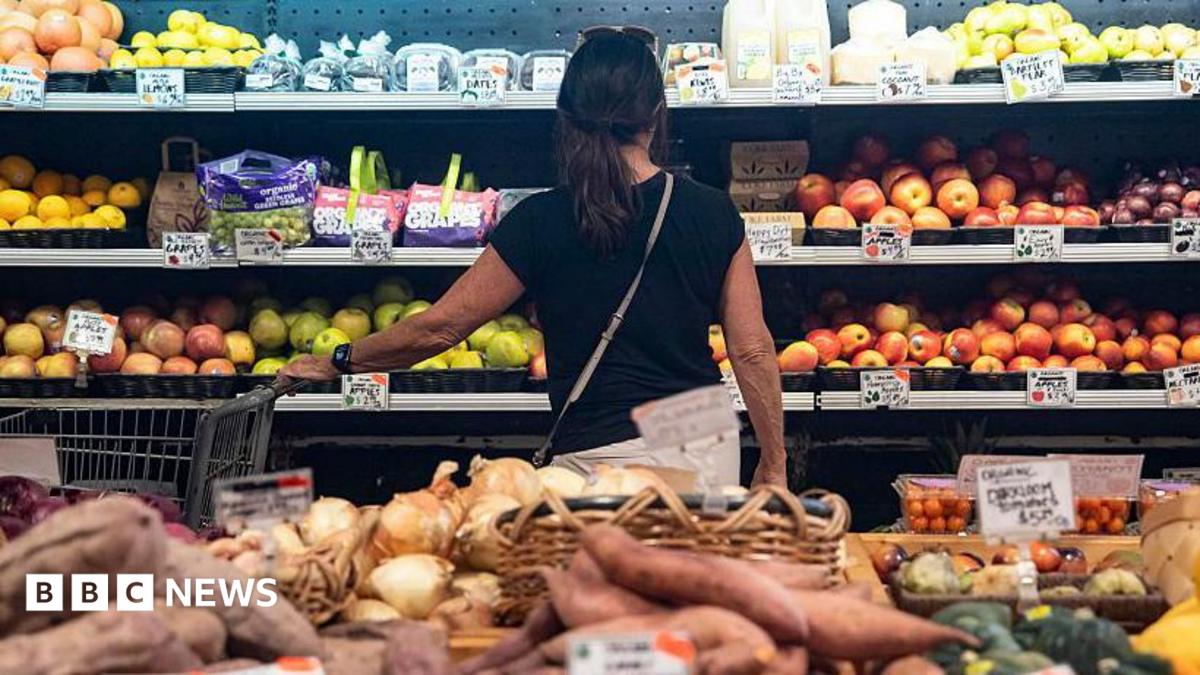
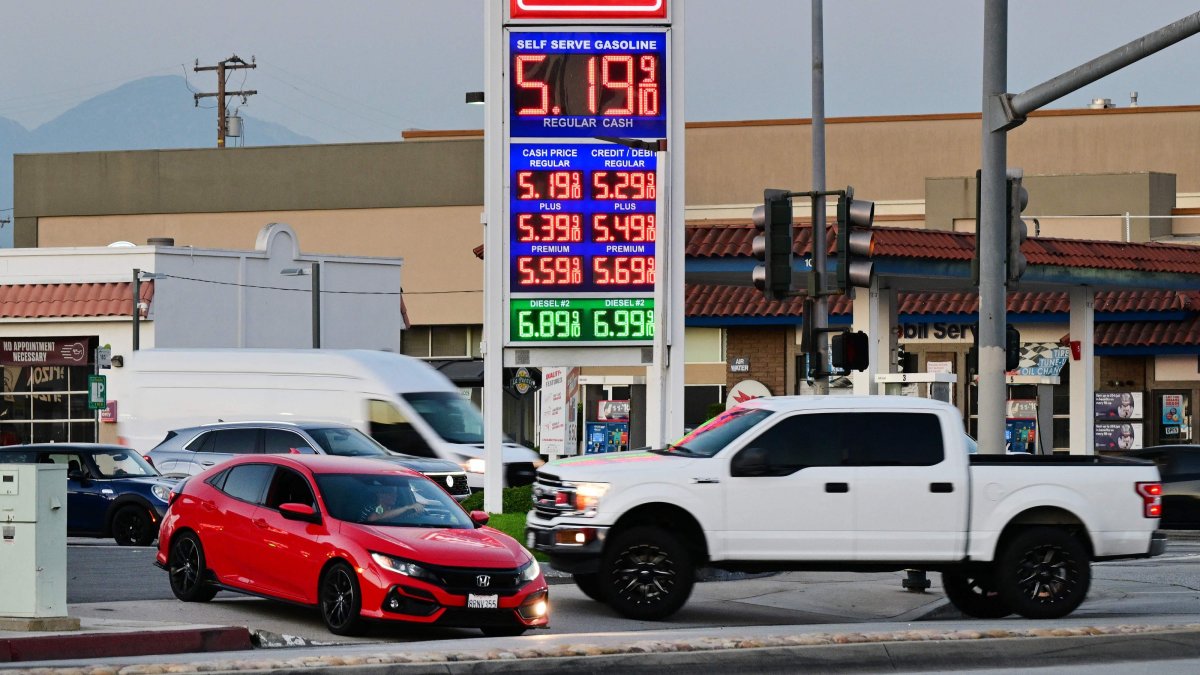
Energy prices continued their roller‑coaster ride. Gasoline fell 2.9% from June to July but still sat 24.6% higher than a year earlier, a gap that reflects the ongoing Iran conflict. Fuel oil was up 39.1% year‑over‑year, yet the overall energy index slipped 1.5% month‑over‑month, indicating a gradual cooling.
Food costs rose only slightly in July, and for the first time since March grocery prices fell, helped by a sharp drop in lettuce prices amid a cyclospora outbreak. Shelter – chiefly rent – added 0.1% to the monthly total, reinforcing the claim that housing remains a dominant driver of the overall index.
Service‑sector prices, excluding energy and rent, rose 0.2% on the month, with medical care and airline tickets edging higher while car insurance kept falling.
Fed’s split view
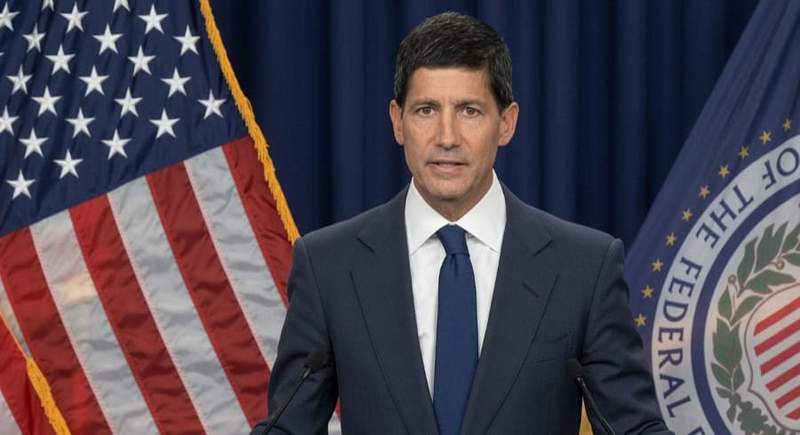
At its late‑July meeting the Fed voted 9‑3 to keep the target rate near 3.6%, a decision that reflected divergent views among the 12‑member board. Chair Kevin Warsh, who took over the chairmanship earlier this year, said the central bank “cannot use a magic wand” to reverse years of above‑target inflation and must stay patient as price growth cools gradually.
"If inflation continues to be elevated... interest rates could well be part of that solution."
Kevin Warsh, Federal Reserve Chair, via Daily Sabah
Warsh added that any future rate move would not be considered in isolation, a reminder that the Fed still regards borrowing costs as a lever against persistent price pressures.
Economists such as KPMG chief economist Diane Swonk noted the “confounding situation” of services inflation staying above 3% while wage growth lags, a mismatch that could keep the Fed cautious.
"You've got all these things that are just not the way the economy used to behave,"
Diane Swonk, chief economist, KPMG, via Daily Sabah
Business reactions on the ground
Retailers have started to pass the relief to shoppers. Walmart rolled back grocery prices on a range of items, a move analysts say helped shave the CPI reading. By contrast, paint maker Sherwin‑Williams announced an 8% price increase effective 1 September, citing higher oil and raw‑material costs.
The mixed response highlights how companies are weighing short‑term cost pressures against longer‑term pricing power.
Market and political backdrop
Financial markets took the data in stride. US stock futures rose modestly and Treasury yields fell as investors trimmed bets on an imminent rate hike. The reaction was “calm,” with stocks little changed in the immediate aftermath, according to the BBC.
President Donald Trump has warned that inflation remains “too high for many families,” pointing to rent and grocery bills as evidence of continued strain.
Meanwhile, the political stakes sharpen as the midterm elections loom. Analysts note that inflation remains well above the Fed’s 2% target, a factor that could shape voter sentiment on both sides of the aisle.
What to watch next
- Sept 15‑16: Federal Reserve’s policy meeting – the next opportunity to adjust the target rate.
- Late September: Jackson Hole symposium – Chair Warsh is expected to speak, offering clues on the Fed’s forward guidance.
- Weekly: Producer price data, which will feed into the PCE and help gauge upstream cost pressures.
Investors will also keep an eye on the employment picture. A weak July jobs report that showed job cuts could reinforce the Fed’s hesitancy to tighten further, as higher borrowing costs risk dampening already slowing hiring.
Timeline of recent developments
- June 2026: CPI reported 3.5% year‑over‑year; Fed vote 9‑3 to hold rates.
- July 29 2026: Fed chair Warsh delivers post‑vote press conference, signaling patience.
- August 12 2026: July CPI released at 3.4% with core at 2.5%; markets react modestly.
As the data suggest a gradual easing of price pressures, the Fed now faces a balancing act: whether to lean on the “room to breathe” highlighted by Daily Sabah and keep rates steady, or to pre‑empt a potential rebound in energy costs that could reignite inflationary momentum.
For ongoing coverage of how these trends intersect with the broader economy, follow our Business section and stay tuned for the Fed’s September decision.
How significant is this development?
Contribute your assessment to the aggregated reader sentiment ledger.
Frequently Asked Questions
Key questions answered in this reportWhat is the key development in: US inflation eases to 3.4% in July, easing pressure on Fed?
US consumer prices rose 3.4% in the year to July, offering the Federal Reserve a modest breather ahead of its upcoming September policy meeting.
Why is this Business development significant for the UK?
This report covers critical events in our Business beat. Independent reporting monitors related UK statements, regulatory shifts, and public responses as further verified details emerge.
How was this reporting corroborated and verified?
Newsarchy UK compiles and cross-references reporting from primary reporting from dailysabah.com and cross-checked wire reports. All coverage adheres to published editorial standards.
When was this report published?
This briefing was published on August 12, 2026 and is permanently cataloged in the Newsarchy UK Business archives.