USPS stamp prices to rise to 82 cents this Sunday in eighth hike
The United States Postal Service is raising the price of a first-class stamp to 82 cents this weekend as it grapples with ongoing financial challenges.

- Core Development: The United States Postal Service is raising the price of a first-class stamp to 82 cents this weekend as it grapples with ongoing financial challenges.
- Beat Context: Categorized under Business with independent corroboration.
- Reporting Depth: 3 minute analytical read synthesized from verified newsroom sources.
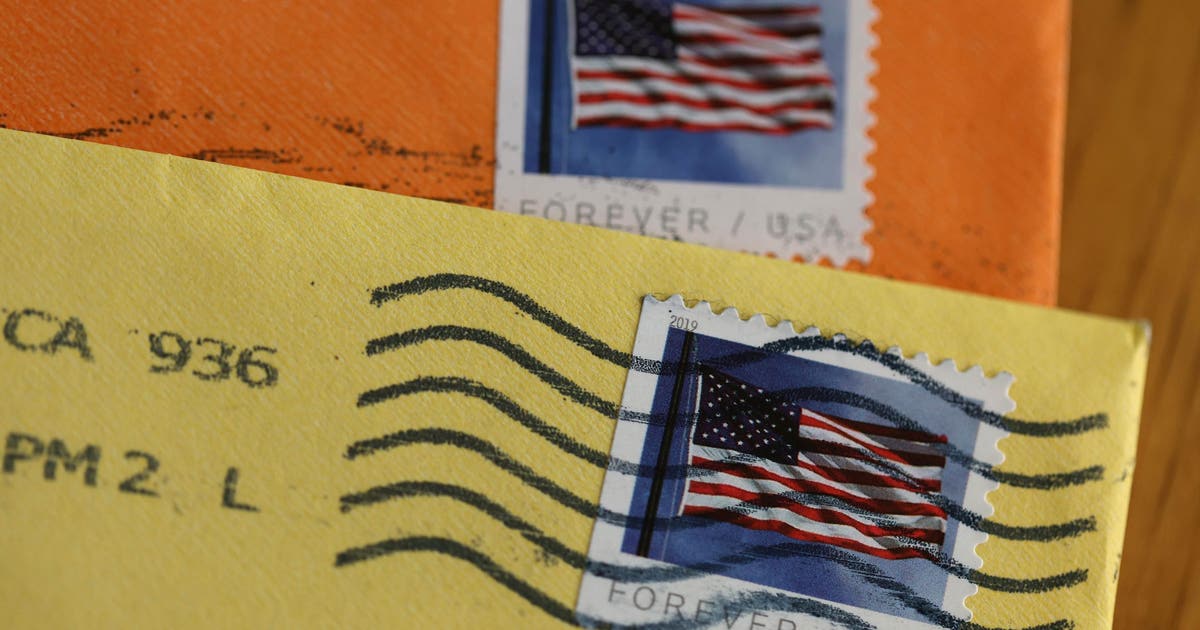
The cost of sending standard letters within the United States is set to increase this weekend. Starting Sunday, July 12, 2026, the price of a first-class Forever stamp will rise from 78 cents to 82 cents. This adjustment represents an overall 4.8% increase across mailing service prices, a move authorized by the Postal Regulatory Commission in May as part of a broader effort to address the agency's mounting fiscal challenges.
Forever stamps, which were introduced in 2007 to provide consumers with protection against fluctuating rates, retain their value regardless of when they are purchased. This means stamps bought at the current rate remain valid for use after the new price takes effect, prompting some consumers to stock up before the change.
Media additions
Financial Outlook and Operational Strains
The U.S. Postal Service (USPS) operates without taxpayer funding for its operating expenses, relying instead on the sale of products and services. Postmaster General David Steiner has been vocal regarding the agency's reliance on what he describes as a broken business model. In testimony provided to the U.S. Senate, Steiner outlined the severity of the situation:
"The bottom line is that we are out of cash. We are borrowing from our employees’ retirement funds to continue operations. The Postal Service has a broken business model and action is needed by Congress to fix it."
David Steiner, Postmaster General, via USPS testimony
Steiner, who previously served as a CEO of a waste management company and as a member of the FedEx board of directors, warned lawmakers that without intervention, the organization could exhaust its available cash by February 2027. He stated that failing to increase the agency’s borrowing capacity could result in an inability to pay employees and vendors, with potentially dire consequences for mail delivery.
The agency reported significant net losses in recent fiscal years, including $9.5 billion in 2024 and $9 billion in 2025. While operating revenue saw a modest increase of $916 million—attributed largely to the Ground Advantage shipping service—the gains have not been sufficient to offset ongoing deficits. Steiner has suggested that further rate hikes, potentially raising the price of a first-class stamp to 95 cents, may be necessary to achieve long-term stability under the agency’s 10-year "Delivering for America" plan.
Broadening Rate Adjustments
The price increase scheduled for Sunday is not limited to standard letters. The agency is implementing a series of adjustments across various service categories:
| Service Type | Previous Price | New Price |
|---|---|---|
| First-Class Stamp (1 oz) | 78 cents | 82 cents |
| Metered Letter (1 oz) | 74 cents | 78 cents |
| Domestic Postcard | 61 cents | 65 cents |
| International Letter/Postcard | $1.70 | $1.75 |
The price for additional ounces for single-piece letters will remain at 29 cents. Additionally, the agency previously secured approval for a temporary 8% price hike on priority mail and package deliveries to manage rising transportation and fuel costs.
Consumer Options and Mitigation
As the July 12 deadline approaches, consumers are exploring strategies to mitigate the impact of the hike. Because Forever stamps do not expire, bulk purchases made before the increase remain a viable way to lock in the 78-cent rate. Certain retailers, such as Costco, currently offer 100-count booklets for $77.75. According to the warehouse chain, this price will remain available to members through August 10, 2026, offering a temporary discount against the new standard rate.
Looking ahead, the Postal Service remains under pressure to secure legislative support to increase its borrowing capacity. Steiner contends that expanding this capacity would provide the necessary "time to make the fixes" required to sustain operations. Until such measures are taken, the agency maintains that its rates remain among the most affordable in the industrialized world.
How significant is this development?
Contribute your assessment to the aggregated reader sentiment ledger.
Frequently Asked Questions
Key questions answered in this reportWhat is the key development in: USPS stamp prices to rise to 82 cents this Sunday in eighth hike?
The United States Postal Service is raising the price of a first-class stamp to 82 cents this weekend as it grapples with ongoing financial challenges.
Why is this Business development significant for the UK?
This report covers critical events in our Business beat. Independent reporting monitors related UK statements, regulatory shifts, and public responses as further verified details emerge.
How was this reporting corroborated and verified?
Newsarchy UK compiles and cross-references reporting from primary reporting from aol.com and cross-checked wire reports. All coverage adheres to published editorial standards.
When was this report published?
This briefing was published on July 8, 2026 and is permanently cataloged in the Newsarchy UK Business archives.