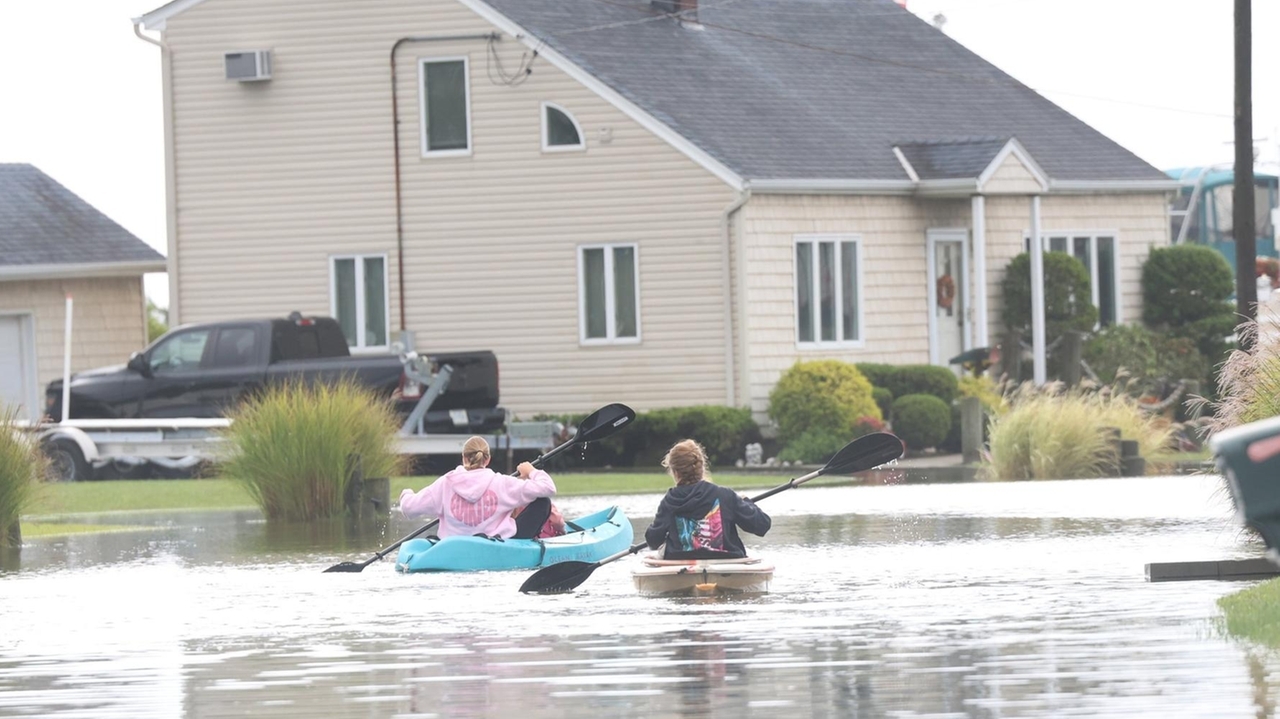
Met Office warns Scots households to prepare for flooding as rain hits
A 17-hour yellow weather warning is in place for parts of Scotland as heavy rainfall threatens to cause flooding and travel disruption. Authorities are urging residents to prepare emergency kits and secure utilities.

- Core Development: A 17-hour yellow weather warning is in place for parts of Scotland as heavy rainfall threatens to cause flooding and travel disruption. Authorities are urging residents to prepare emergency kits and secure utilities.
- Beat Context: Categorized under Weather with independent corroboration.
- Reporting Depth: 3 minute analytical read synthesized from verified newsroom sources.
Households across parts of Scotland are being urged to prepare for potential flooding as authorities issue a yellow weather warning for heavy and persistent rainfall. The alert, which affects two areas in the north west, covers a 17-hour window beginning at 5pm on Sunday and remaining in effect until 10am on Monday morning.
The Met Office anticipates widespread rainfall across these designated warning zones, with total accumulation expected to range from 20mm to 40mm. In mountainous areas, significantly higher volumes of 50mm to 75mm are forecast, while the most exposed locations could see rainfall totals approaching 100mm. The Met Office forecast describes the event as a wet spell for the West Highlands, where the heaviest and most persistent rain is expected from Sunday afternoon through until Monday morning. Conditions are expected to ease during the morning hours on Monday.
Media additions


Safety and Utility Precautions
In response to the risk of home and business flooding, official guidance stresses the importance of personal safety and the careful management of domestic infrastructure. Residents within the affected zones are advised to prepare an emergency flood kit containing essential items, including torches, batteries, and mobile phone power packs. Authorities also recommend that households formulate an emergency flood plan, which includes the potential requirement to turn off gas, water, and electricity supplies.
The National Grid has provided specific instructions for utility isolation in instances where flood water threatens to enter a property. According to the National Grid:
"If flood water is about to enter your property, turn off your electricity supply using the isolator switch or fuse unit. Only attempt this if it's safe to do so, and never take any unnecessary risks."
The National Grid further specifies that residents should avoid touching electrical appliances, cables, or equipment while standing in floodwater. Devices that have already come into contact with water should also be avoided, as they may remain unsafe. If further advice is needed, residents are encouraged to speak to their insurer or a qualified electrician.
In addition to electrical safety, the Met Office provides guidance on identifying essential household valves. A water stop tap is generally situated inside a home where the supply enters, or near the property boundary under a cover. Gas shut-off valves are typically found next to the gas meter, and mains electricity can usually be disconnected via the fuse board using a main on and off switch.
Recommended Emergency Actions
The Met Office emphasizes that it is never too late to take action to protect property. Recommended measures include:
- Monitoring local flood advice to remain informed of developing risks.
- Charging mobile devices to maintain communication channels.
- Parking vehicles outside of identified flood zones.
- Storing valuables, furniture, and important documents on higher levels within the home.
- Preparing an emergency flood plan.
In the event that an individual becomes trapped by floodwater, the official advice is to move to the highest level of the building. Residents are cautioned not to enter attic spaces to avoid becoming trapped by rising water and to only access a roof if absolutely necessary. In such emergencies, the instruction is to call 999 and wait for professional assistance.
Anticipated Disruption
Beyond the immediate risk of water damage, the inclement weather is expected to impact regional infrastructure. The Met Office anticipates longer journey times for bus and rail services. Motorists are warned of hazardous road conditions, including road spray and localized surface flooding.
How significant is this development?
Contribute your assessment to the aggregated reader sentiment ledger.
Frequently Asked Questions
Key questions answered in this reportWhat is the key development in: Met Office warns Scots households to prepare for flooding as rain hits?
A 17-hour yellow weather warning is in place for parts of Scotland as heavy rainfall threatens to cause flooding and travel disruption. Authorities are urging residents to prepare emergency kits and secure utilities.
Why is this Weather development significant for the UK?
This report covers critical events in our Weather beat. Independent reporting monitors related UK statements, regulatory shifts, and public responses as further verified details emerge.
How was this reporting corroborated and verified?
Newsarchy UK compiles and cross-references reporting from primary reporting from europesays.com and cross-checked wire reports. All coverage adheres to published editorial standards.
When was this report published?
This briefing was published on July 8, 2026 and is permanently cataloged in the Newsarchy UK Weather archives.