The sell-off for tech stocks deepens and drags Wall Street toward its worst day since June
Wall Street suffered its steepest daily drop since June as disappointing tech earnings and intense scrutiny over AI spending fueled a major market sell-off.

- Core Development: Wall Street suffered its steepest daily drop since June as disappointing tech earnings and intense scrutiny over AI spending fueled a major market sell-off.
- Beat Context: Categorized under Business with independent corroboration.
- Reporting Depth: 3 minute analytical read synthesized from verified newsroom sources.
A broad and intensifying sell-off in technology equities battered Wall Street, dragging major indices toward their steepest daily losses since June on Friday, 30 October 2026. Mounting market anxiety over heavy artificial intelligence infrastructure spending and disappointing forecasts from chip manufacturers sent shockwaves across trading floors, sealing a third straight losing week for the broader market as investors reassessed lofty valuations built on the AI boom.
The tech rout was primarily ignited by disappointing earnings reports and cautious guidance from prominent sector leaders. Semiconductor titan Intel issued fourth-quarter projections falling well short of analyst expectations, warning that a persistent inventory correction across the personal computer market could extend into the first half of 2027. Intel shares plummeted sharply, dragging rival Advanced Micro Devices down alongside semiconductor stocks across the board as traders questioned whether weakening PC demand indicated broader industry trouble. CEO Lip-Bu Tan noted that the personal-computer industry continues to feel pressure, even though Intel reported a stronger profit for the latest quarter than analysts expected.
Media additions

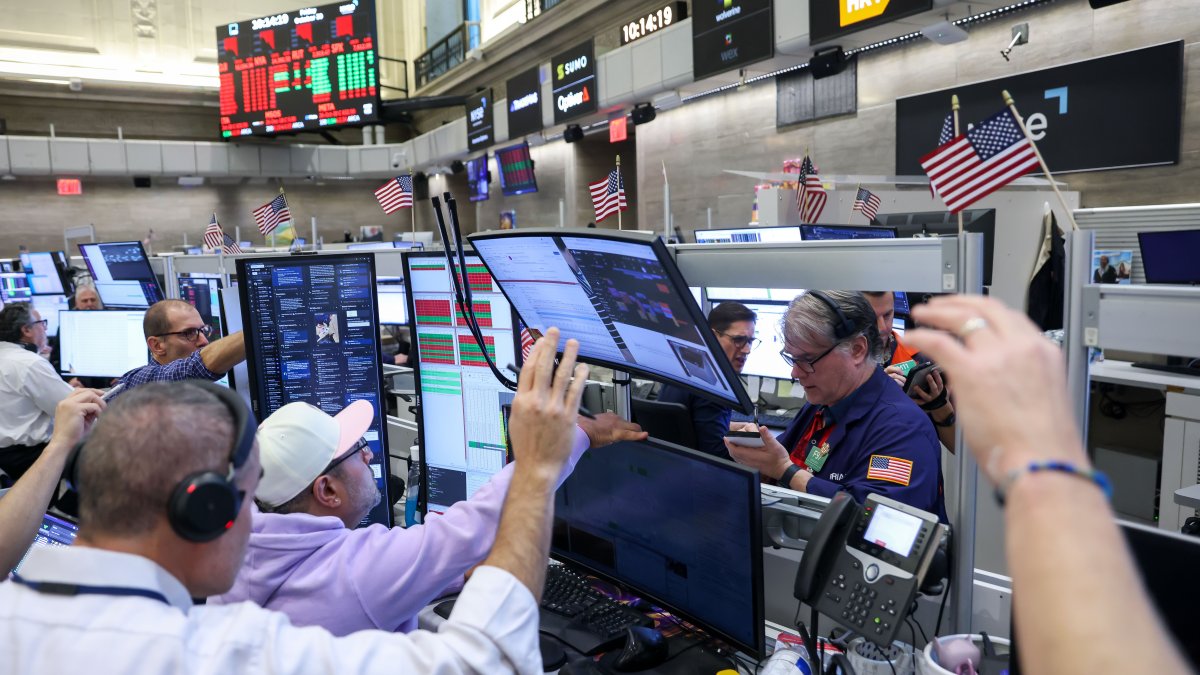

At the same time, scrutiny intensified regarding the enormous capital outlays major technology conglomerates are pouring into generative intelligence systems. Amazon reported higher-than-expected capital spending alongside its slowest growth in core e-commerce operations in years, reporting that it burned through a notable amount of cash over the prior 12 months in free cash flow while spending heavily on property and equipment primarily through investments in artificial intelligence technology. Alphabet similarly told investors it burned through massive amounts of cash due to mammoth investments in AI.
Market analysts pointed to a broader shift in market psychology regarding technology infrastructure. Joe Tigay, portfolio manager at Equity Armor Investments, described the shift in a note to investors, stating:
"We’re moving out of the hopes and dreams phase of the AI trade and into the ‘show me’ phase."
Joe Tigay, Portfolio manager at Equity Armor Investments
The tech sector weakness weighed heavily on headline indices. The S&P 500 tumbled sharply on Friday, 30 October 2026, marking its worst single-session performance since June and capping three consecutive weeks of losses. The tech-heavy Nasdaq composite led the decline, while the Dow Jones Industrial Average dropped significantly. Nvidia, the chip company that became the poster child of the AI frenzy, suffered a heavy drop that acted as a major force pulling the S&P 500 downward, outweighing even Intel.
Non-tech sectors, however, showed relative resilience amid rising crude prices and supply pressures. Energy giants ExxonMobil and Chevron posted gains after reporting stronger profits for the summer than analysts expected, benefiting from soaring profit margins driven by energy supply disruptions arising from conflicts involving the United States, Israel, Iran, and Russia. Consumer and staple companies also held up as many rallied after reporting stronger profits than expected.
In the bond market, Treasury yields eased as investors sought safer assets, with the 10-year Treasury yield falling despite rising oil prices. Brent crude oil prices rose, hovering near the high end of their range following ongoing geopolitical conflicts in the Middle East.
International markets mirrored the cautious sentiment. South Korea’s Kospi dropped as worries about AI hit its tech-heavy market, while Japan’s Nikkei 225 fell after the Bank of Japan decided to keep interest rates steady, echoing moves made earlier by major central banks including the Federal Reserve and the European Central Bank.
Investors now turn their attention to upcoming corporate earnings reports and economic data releases. Chipmaker Advanced Micro Devices is due to report quarterly results on Tuesday, 3 November 2026, which market participants will scrutinize for further commentary on personal computer processor demand and industry-wide inventory levels to determine whether Intel’s struggles reflect a company-specific issue or a broader semiconductor sector downturn.
How significant is this development?
Contribute your assessment to the aggregated reader sentiment ledger.
Frequently Asked Questions
Key questions answered in this reportWhat is the key development in: The sell-off for tech stocks deepens and drags Wall Street toward its worst day since June?
Wall Street suffered its steepest daily drop since June as disappointing tech earnings and intense scrutiny over AI spending fueled a major market sell-off.
Why is this Business development significant for the UK?
This report covers critical events in our Business beat. Independent reporting monitors related UK statements, regulatory shifts, and public responses as further verified details emerge.
How was this reporting corroborated and verified?
Newsarchy UK compiles and cross-references reporting from primary reporting from corsicanadailysun.com and cross-checked wire reports. All coverage adheres to published editorial standards.
When was this report published?
This briefing was published on October 30, 2026 and is permanently cataloged in the Newsarchy UK Business archives.