Whole Foods recalls guacamole and salsa over salmonella fears
Whole Foods Market has issued a recall notice on its freshly prepared salsa and guacamole products due to a salmonella warning linked to jalapeños.

- Core Development: Whole Foods Market has issued a recall notice on its freshly prepared salsa and guacamole products due to a salmonella warning linked to jalapeños.
- Beat Context: Categorized under Business with independent corroboration.
- Reporting Depth: 3 minute analytical read synthesized from verified newsroom sources.
Consumers across the United States are facing overlapping food safety alerts, with Yahoo News reported that Whole Foods Market has issued a recall notice on its freshly prepared salsa and guacamole products due to a salmonella warning linked to jalapeños.
The recalled items at Whole Foods include Mild Guacamole Dip, Mild Guacamole Dip (No Tomatoes), Spicy Guacamole Dip (No Tomatoes), Medium Pico de Gallo Guacamole Dip, Pomegranate Guacamole Dip, Roasted Corn Guacamole Dip, Spicy Guacamole Dip, Dip Trio, Heirloom Tomato Salsa, and Mango Pineapple Salsa sold as a condiment for Caribbean Mango Pineapple Turkey Burgers. Shoppers who have purchased these items can check codes on the Food and Drug Administration's website, then either toss the product or return it to Whole Foods for a refund.
Media additions
According to Yahoo News, the jalapeños were sourced from Coast Citrus Distributors, a California-based company that supplies salsa and guacamole to Whole Foods. Some peppers used in the products originated from a grower in Sinaloa, Mexico, which is believed to be the origin of the outbreak. The same supply chain has touched other major retailers and restaurants, following a separate outbreak stemming from food served at fast-casual restaurants such as Chipotle and Qdoba. Taylor Farms also utilized these jalapeños, prompting its own prepared food recalls at stores like Trader Joe's and Target.
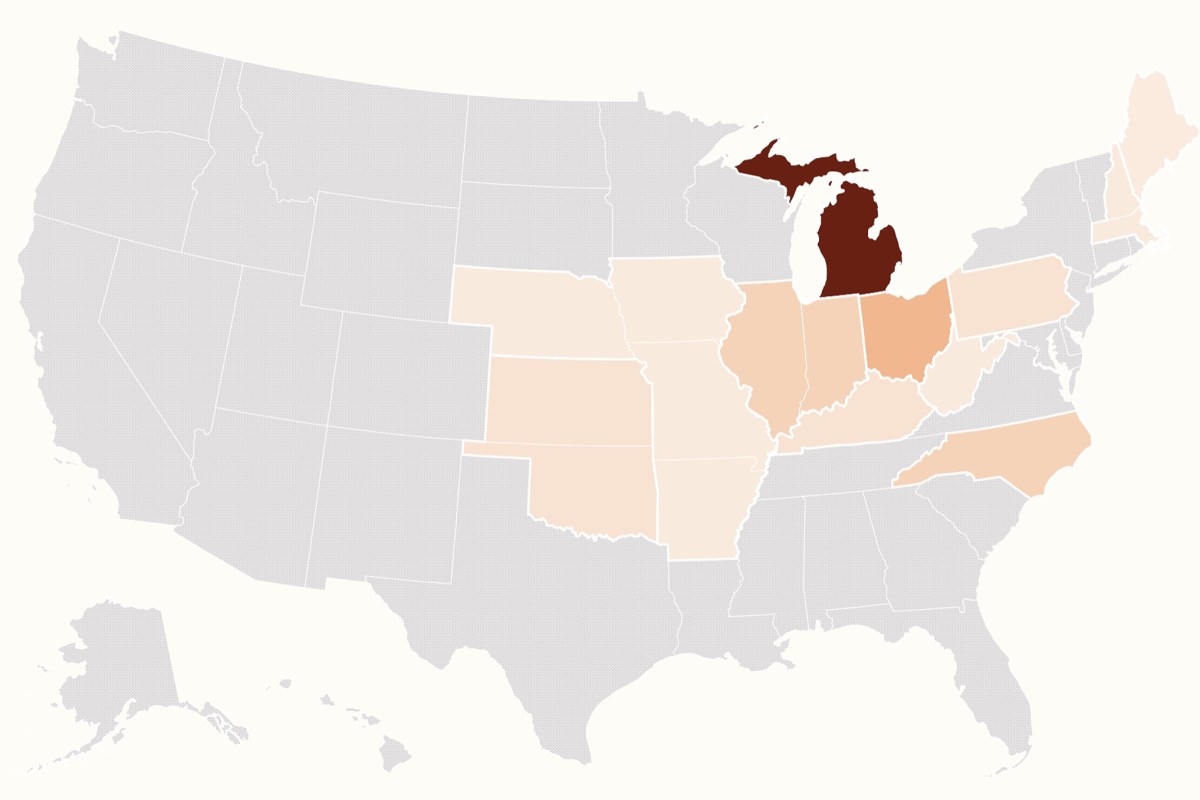
Meanwhile, federal health officials are tracking a completely separate nationwide parasite incident. As Newsweek reported, seventeen states are now affected by the largest cyclospora outbreak in the United States, which has been linked to iceberg lettuce. The FDA added Maine and Massachusetts to the outbreak list, following the addition of Arkansas, Iowa, Missouri, Nebraska, New Hampshire, and North Carolina. The parasite outbreak has also affected customers who ate at Taco Bell, which buys produce from Taylor Farms.
The FDA stated that it is focused on produce giant Taylor Farms as the source of the lettuce. Taylor Farms recalled iceberg lettuce grown in central Mexico in July. In a statement posted on its website, Taylor Farms noted that when questions were raised about the source, the company removed all potentially implicated product and issued a broader recall of all iceberg lettuce sourced from that region while voluntarily suspending all iceberg lettuce sourcing and production from central Mexico. Taylor Farms added that there are no confirmed positive sample results for product testing for Cyclospora as of August 13, 2026.
Taco Bell reported on July 17 that it had completed the removal of affected Taylor Farms lettuce from its restaurants, working to voluntarily remove the product and remove the affected ingredient from its supply chain nationwide.
According to the Centers for Disease Control and Prevention, the number of cyclosporiasis cases linked to the lettuce reached 9,481, including at least 398 hospitalizations. Michigan reported the first two deaths tied to the outbreak earlier in August. Overall, since May 1, the CDC has recorded 13,895 laboratory-confirmed cases of cyclosporiasis across 47 states, the District of Columbia, and Puerto Rico, alongside more than 12,000 additional cases requiring further analysis. Cyclospora is a microscopic parasite that infects food that has come into contact with human feces, most commonly when produce is irrigated or washed with contaminated water.
Health impacts and symptoms
Both outbreaks bring distinct gastrointestinal risks for consumers:
- Salmonella: Symptoms include diarrhea, nausea, abdominal pain, and vomiting. Vulnerable populations face risks of severe complications.
- Cyclosporiasis: Caused by a diarrhea-causing parasite, symptoms include frequent and sometimes explosive bowel movements. Symptoms generally develop about a week after exposure, ranging from two days to two weeks or longer, and may persist for over a month without treatment.
Federal health agencies continue to investigate both multi-state events alongside state and local partners as suppliers and case counts are identified.
How significant is this development?
Contribute your assessment to the aggregated reader sentiment ledger.
Frequently Asked Questions
Key questions answered in this reportWhat is the key development in: Whole Foods recalls guacamole and salsa over salmonella fears?
Whole Foods Market has issued a recall notice on its freshly prepared salsa and guacamole products due to a salmonella warning linked to jalapeños.
Why is this Business development significant for the UK?
This report covers critical events in our Business beat. Independent reporting monitors related UK statements, regulatory shifts, and public responses as further verified details emerge.
How was this reporting corroborated and verified?
Newsarchy UK compiles and cross-references reporting from primary reporting from newsweek.com and cross-checked wire reports. All coverage adheres to published editorial standards.
When was this report published?
This briefing was published on August 14, 2026 and is permanently cataloged in the Newsarchy UK Business archives.


