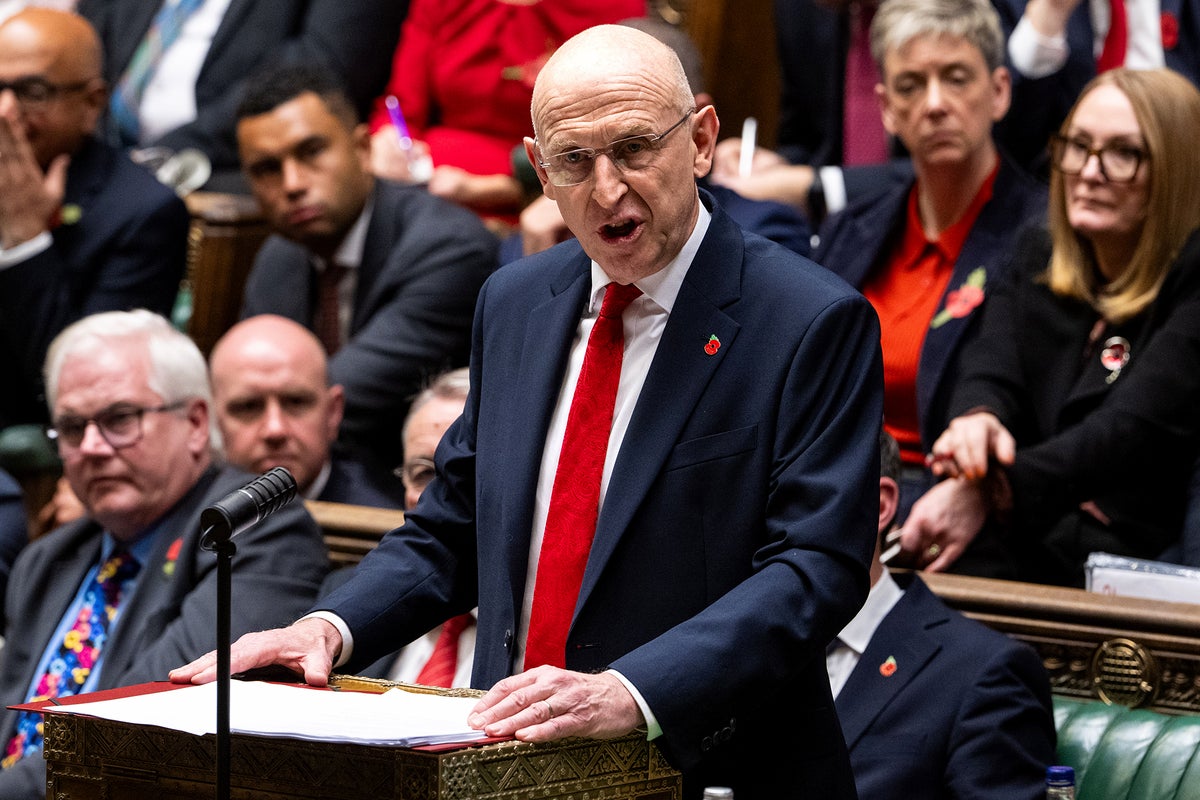
John Healey delivers Budget with £10bn Ukraine aid and energy payments
Chancellor John Healey's inaugural financial package introduces sweeping energy reforms, a £10bn Ukraine aid package, and protected ISA limits.

- Core Development: Chancellor John Healey's inaugural financial package introduces sweeping energy reforms, a £10bn Ukraine aid package, and protected ISA limits.
- Beat Context: Categorized under Cost of Living with independent corroboration.
- Reporting Depth: 5 minute analytical read synthesized from verified newsroom sources.
Chancellor John Healey has used his inaugural financial package to steer the nation through severe economic turbulence, unveiling sweeping changes to household energy bills, savings limits, defence spending, and international commitments. Delivered in the House of Commons, the measures represent a significant shift in the Government's approach to domestic financial pressures and public infrastructure, arriving amid international market volatility driven by ongoing conflict in the Middle East.
With public finances stretched by international market turmoil, the Chancellor maintained strict adherence to the fiscal stability rules established by his predecessor, Rachel Reeves, requiring day-to-day spending to be covered by tax receipts and public debt to fall as a share of gross domestic product by the end of the decade.
Media additions
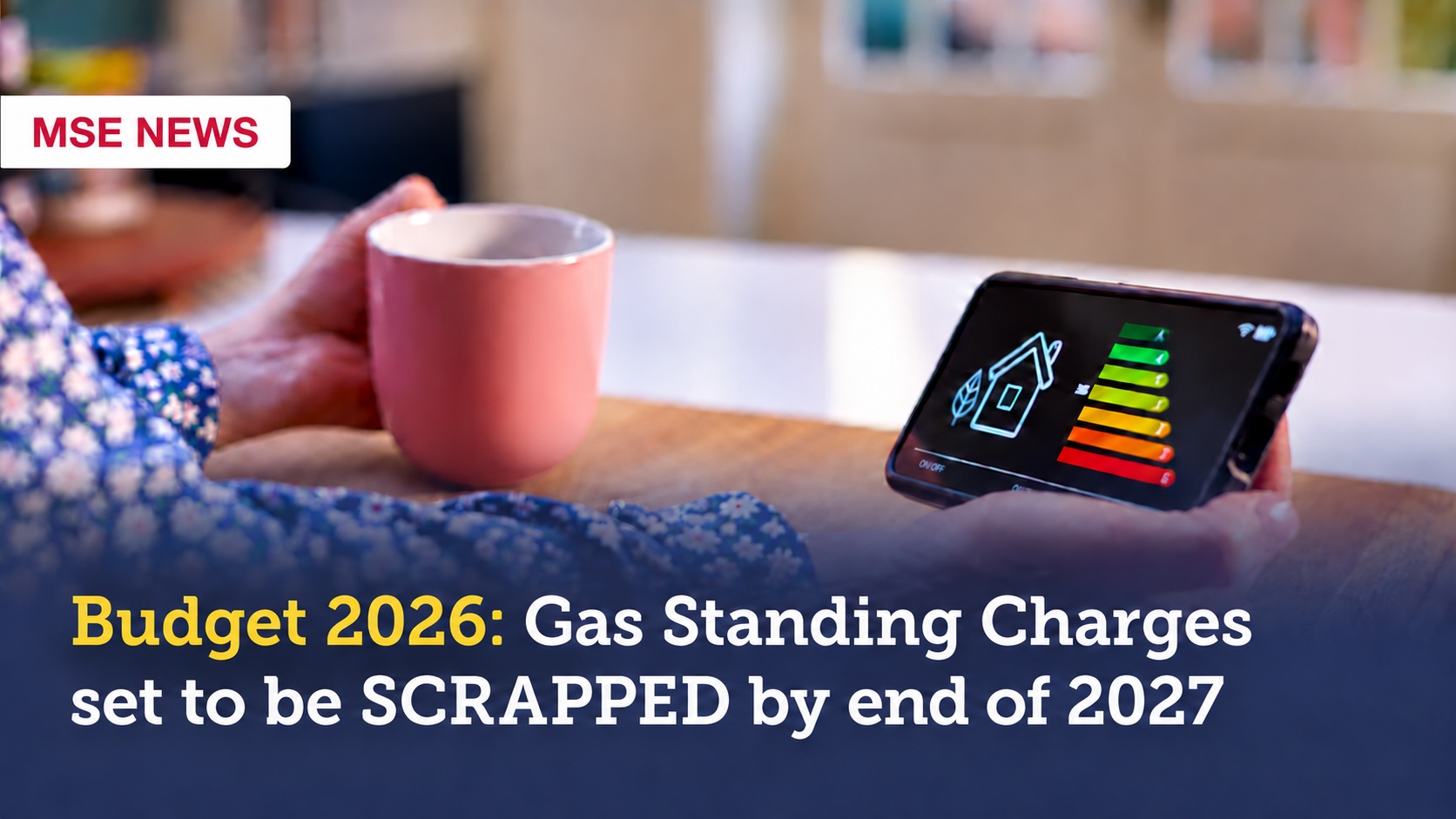

One of the most consequential structural reforms announced during the statement involves household utility bills. According to reporting from Money Saving Expert, daily gas standing charges — amounting to an average of £108 annually — will be entirely abolished by 2027 at the earliest. Consumer champion Martin Lewis, who visited Number 11 Downing Street ahead of the address, welcomed the move after years of campaigning, describing the standing charge as a moral hazard that acts as a poll tax on energy and disincentivises usage reduction.
Under the planned changes, the abolished revenue will be shifted onto unit rates, adding just under a penny per kilowatt-hour to gas consumption costs. Analysis indicates that while higher-energy users may see increased bills, roughly 60% of households across all income distribution classes up to £100,000 will pay less. Innovation charity Nesta separately noted that about 63% of dual-fuel households would benefit from the removal of the charge. Prime Minister Andy Burnham stated that abolishing the gas standing charges centres on basic fairness and granting citizens greater control over their expenses, according to Cambridge Independent.
Electricity standing charges, however, will remain in place for the time being. The Government indicated it will work alongside energy regulator Ofgem over the coming year to explore reforms for electricity charges, which officials acknowledged are more complex to untangle.
To cushion households against immediate pressures, including a projected 27% rise in the energy price cap in January driven by Middle East conflict, the Chancellor announced targeted relief. Households residing in council tax bands A to D will receive a £100 energy payment to assist with soaring bills through the spring. Furthermore, the existing cut to Value Added Tax on electricity will be extended through July, removing £50 from the annual price cap.
Savings policy also saw a major U-turn. The Treasury abandoned plans to reduce the annual cash ISA allowance from £20,000 to £12,000 for savers aged under 65, a measure originally introduced by the previous administration. Industry figures praised the reversal. Holly Mackay, chief executive officer of Boring Money, noted via Birmingham Now that preserving the £20,000 ceiling avoids adding unnecessary cost and complexity, noting that fear of financial loss remains the primary deterrent to investing. Katie Horne, banks relationship manager at Flagstone, added that penalising savings thresholds would have punished rather than rewarded prudent financial management.
Key Policy Projections and Adjustments
| Policy Area | Previous Measure / Status | New Budget Measure | Target / Impact |
|---|---|---|---|
| Cash ISA Limit | Scheduled reduction to £12,000 for under-65s | Retained at £20,000 per year | Protects savings incentives for 88% of people |
| Gas Standing Charge | Fixed daily access charge (£108/year avg) | Scrapped by 2027 (Price Cap integration) | Reduces bills for ~60% of households; shifts cost to unit rates |
| National Living Wage | Standard baseline hourly rate | Increased by 3.9% to £13.21 an hour | Benefits approximately 2.3 million workers |
| Small Business Rates | Threshold at £12,000 for retail, hospitality, leisure | Threshold increased to £18,000 | Takes 70,000 more businesses out of rates entirely |
Beyond domestic cost-of-living adjustments, the financial package addressed international commitments and national security. The UK has committed an additional £10 billion in economic and military support to Ukraine, alongside £500 million in urgent military funding designated for the upcoming winter. On defence spending, the Chancellor confirmed that preliminary work is underway to reach 3% of GDP allocated to defence by 2030, with a broader target of 3.5% of GDP by 2035 to be formally detailed at next year's spending review.
Economic forecasts presented by the Office for Budget Responsibility project UK growth at 1.2% for the current year, followed by 1% next year, 1.6% in 2028, 1.8% in 2029, 1.7% in 2030, and 1.6% in 2031. Fiscal headroom against the government's stability rule is calculated at £15 billion in 2029/30, expanding to £22 billion in 2030/31.
Business support measures formed another core pillar of the statement. The small business rates relief threshold for retail, hospitality, and leisure enterprises will rise from £12,000 to £18,000, exempting roughly 70,000 additional businesses from paying rates altogether. Remaining businesses in those sectors will have their rates frozen in real terms for two years. To fund high street support packages, the Chancellor announced an increase in gambling taxes, raising machine games duty from 20% to 25% on higher-stakes equipment, alongside the introduction of VAT charges for online marketplace sellers and a £10 million alcohol duty relief package aimed at smaller brewers and cider makers.
Support for lower-paid workers was reinforced through a 3.9% increase to the National Living Wage, pushing it to £13.21 an hour, while the 18-to-20 National Minimum Wage rises to £11.27 an hour, directly impacting approximately 2.3 million individuals. Motorists also received relief as the 5p fuel duty cut and red diesel tax reductions were extended through July 2027, and higher mileage rates for work-related driving increased from 25p to 35p per mile.
As the legislative and administrative changes take effect, attention will turn to the scheduled implementation of the energy price cap adjustments, consultations between the Government and Ofgem regarding electricity standing charges, and the formal spending review slated for next year where detailed roadmaps for defence expenditure and local business rate retentions will be finalized.
How significant is this development?
Contribute your assessment to the aggregated reader sentiment ledger.
Frequently Asked Questions
Key questions answered in this reportWhat is the key development in: John Healey delivers Budget with £10bn Ukraine aid and energy payments?
Chancellor John Healey's inaugural financial package introduces sweeping energy reforms, a £10bn Ukraine aid package, and protected ISA limits.
Why is this Cost of Living development significant for the UK?
This report covers critical events in our Cost of Living beat. Independent reporting monitors related UK statements, regulatory shifts, and public responses as further verified details emerge.
How was this reporting corroborated and verified?
Newsarchy UK compiles and cross-references reporting from primary reporting from Cambridge Independent and cross-checked wire reports. All coverage adheres to published editorial standards.
When was this report published?
This briefing was published on October 29, 2026 and is permanently cataloged in the Newsarchy UK Cost of Living archives.