UK hospitality faces £51,000 surge in annual operating costs
UK hospitality businesses face an estimated £51,500 annual surge in operating costs driven by rising labor, food, and energy inflation.

- Core Development: UK hospitality businesses face an estimated £51,500 annual surge in operating costs driven by rising labor, food, and energy inflation.
- Beat Context: Categorized under Cost of Living with independent corroboration.
- Reporting Depth: 3 minute analytical read synthesized from verified newsroom sources.
UK hospitality businesses face a mounting financial squeeze as operating costs are projected to surge, driven by rising wage requirements, elevated food and energy inflation, and shifting tax burdens following recent government fiscal announcements. According to Ops Club reporting, the annual cost of running a typical hospitality venue is set to climb substantially, forcing operators to reconsider menu pricing, staffing structures, and operational efficiencies.
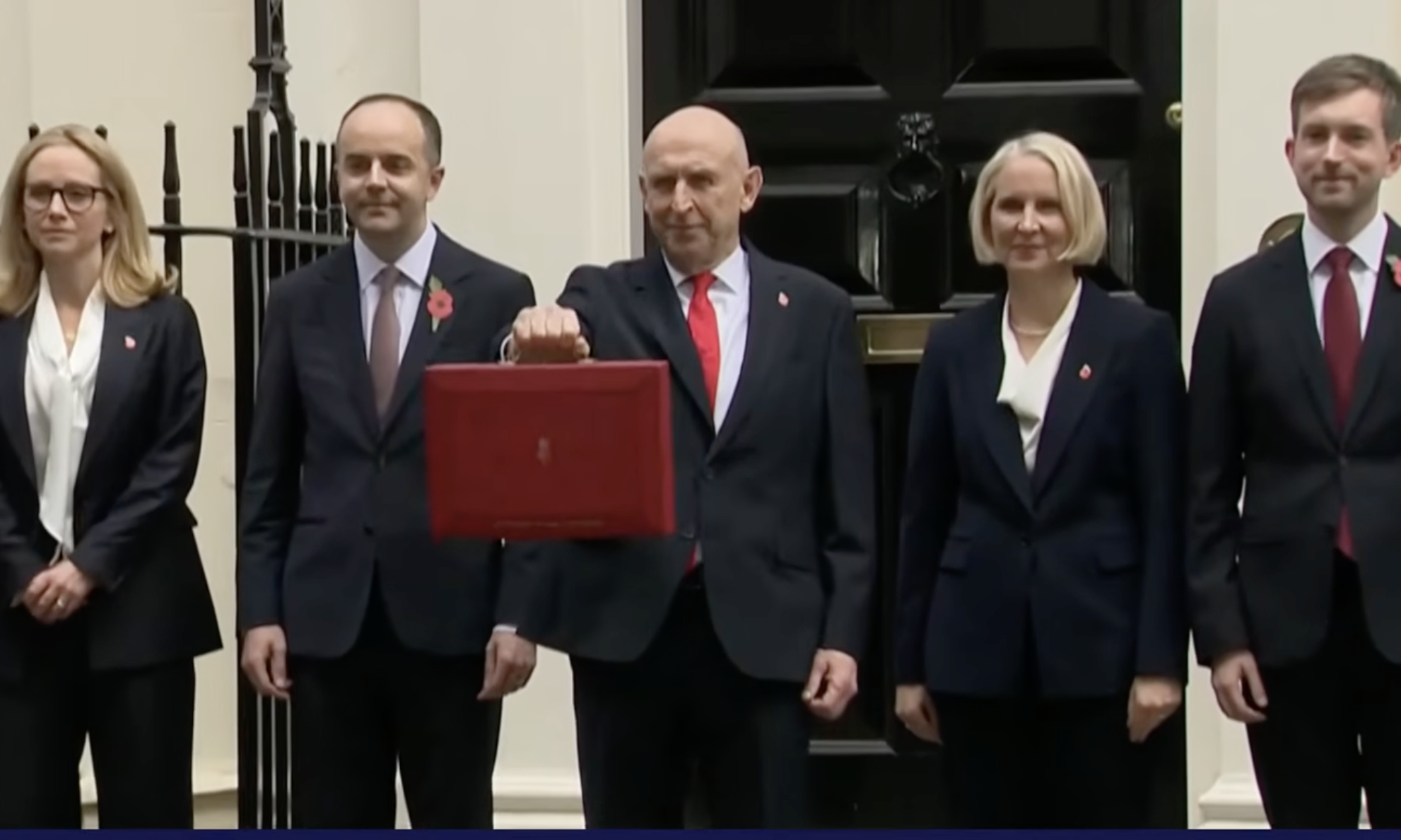
Chancellor John Healey introduced the Autumn Budget 2026, describing it as a package for British businesses. Yet industry analysts point out that the compounding effect of external supply chain pressures and statutory wage hikes leaves hospitality operators facing severe margin compression. Detailed industry analysis indicates that cumulative increases across expenses strip away a significant portion of pre-tax profit for venues operating on standard margins unless structural changes are made.
Media additions

Labor costs form a major component of this financial escalation. The National Living Wage for workers aged 21 and over is rising 3.9% to reach £13.21 an hour, according to FreeAgent reporting. When factoring in mandatory employer National Insurance contributions, pension provisions, and holiday pay, industry operators calculate that every hour of labor now demands substantially higher revenue to cover its base. Academic experts cited by Startups highlighted that labor-intensive enterprises receive no relief on employer National Insurance, compounding the pressure from statutory wage increases.
Business rates reform forms a central pillar of the government's support package for the sector. From April 2027, the Small Business Rates Relief threshold for retail, hospitality, and leisure properties in England will rise from £12,000 to £18,000 in rateable value, removing thousands of smaller businesses from rates liability altogether, as reported by Freeagent and Startups. Properties that do not qualify for complete relief will benefit from a two-year real-terms freeze running through April 2029. However, commentators have noted that these property tax concessions primarily benefit pubs and venues with lower rateable values, while many urban restaurants, cafes, and hotels in high-value areas see limited advantage.
Dr Steve Nolan of Liverpool Business School observed that the business rates policy went roughly halfway toward the demands of business federations, while warning that property owners often capture the benefit through higher rents rather than business operators. Furthermore, major tax thresholds remain static. The VAT registration threshold stays anchored at £90,000, and no broad-based VAT reductions were introduced for hospitality supplies, despite extensive campaigning from sector leaders.
As operators review their financial models for the coming year, broader economic indicators continue to add complexity. Consumer confidence measures have shifted downward, while household budgets face pressure from frozen tax thresholds and higher borrowing costs. Businesses navigating these conditions must also prepare for upcoming administrative changes, including the expansion of Making Tax Digital for Income Tax and mandatory direct debit instructions for VAT and PAYE liabilities scheduled for future implementation phases.
Industry associations advise operators to conduct rigorous menu costings, optimize rotas against sales per labor hour, and lock in supplier contracts ahead of seasonal price shifts. What happens next across the sector will depend heavily on whether consumer spending holds firm through upcoming quarters or if venues are forced to pass rising overheads directly to customers through strategic price adjustments, alongside pending consultations and implementation dates set for April 2027 and April 2029.
How significant is this development?
Contribute your assessment to the aggregated reader sentiment ledger.
Frequently Asked Questions
Key questions answered in this reportWhat is the key development in: UK hospitality faces £51,000 surge in annual operating costs?
UK hospitality businesses face an estimated £51,500 annual surge in operating costs driven by rising labor, food, and energy inflation.
Why is this Cost of Living development significant for the UK?
This report covers critical events in our Cost of Living beat. Independent reporting monitors related UK statements, regulatory shifts, and public responses as further verified details emerge.
How was this reporting corroborated and verified?
Newsarchy UK compiles and cross-references reporting from primary reporting from opsclub.co.uk and cross-checked wire reports. All coverage adheres to published editorial standards.
When was this report published?
This briefing was published on November 2, 2026 and is permanently cataloged in the Newsarchy UK Cost of Living archives.