US inflation tops forecasts in October, raising odds of Federal Reserve rate hike
US consumer prices rose 0.4% in October, exceeding economist forecasts as price pressures spread beyond energy and heightened expectations for a Federal Reserve rate hike.

U.S. Consumer prices rose more than expected in October as price pressures spread beyond energy, heightening expectations that the Federal Reserve will raise interest rates.
According to data released by the Labor Department on Tuesday, the consumer price index increased 0.4% from September. While this marked a cooling from September's 0.6% increase, it overshot the 0.3% rise projected by economists. Because a government shutdown prevented data collection in October 2025, the Bureau of Labor Statistics did not publish a year-over-year inflation rate.
Media additions
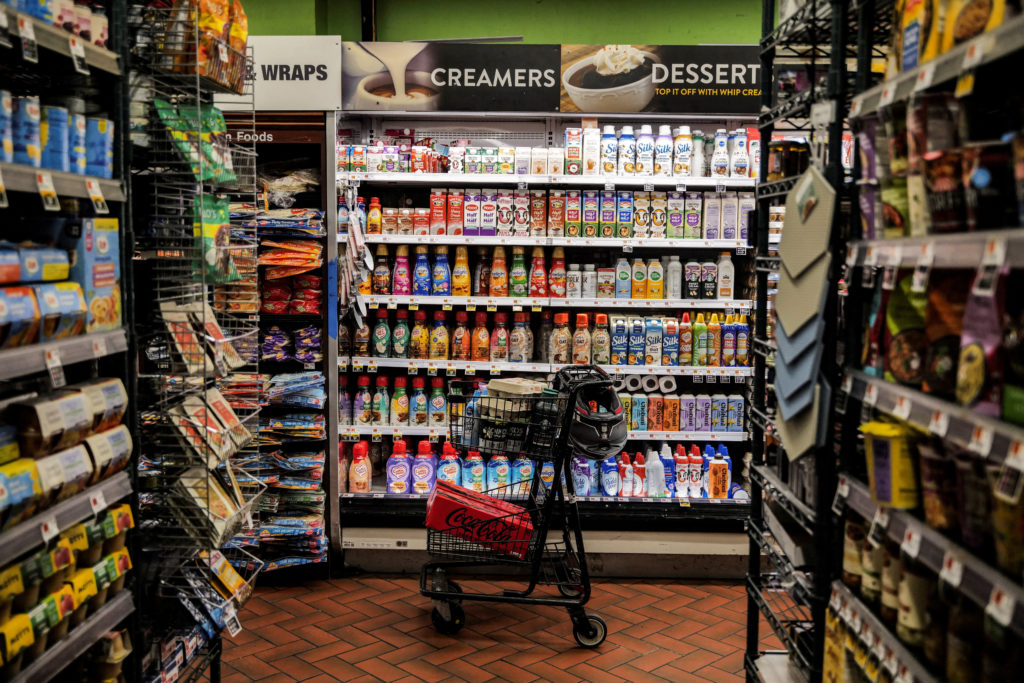


Core consumer prices, which strip out volatile food and energy categories, rose 0.3% for the month. Shelter costs climbed 0.3% and accounted for more than 30% of the overall monthly rise, according to the BLS. Food prices accelerated by 0.5% after remaining flat the previous month. Energy price increases moderated to 0.7%, a sharp deceleration from September's 5.2% spike. Yet higher energy costs from earlier conflicts and massive investments in the artificial intelligence buildout continue to ripple through the economy, lifting everything from electricity bills to computer chips.
The hotter-than-expected print arrived directly on the heels of the U.S. Midterm elections, where voters ousted Republican majorities in Congress amid intense frustration over persistent living costs. An AP Voter Poll of 100,000 voters found that about two-thirds blamed President Donald Trump's policies for higher expenses, and approximately 9 in 10 described the cost of living as crucial to their vote.
Financial markets reacted swiftly to the inflation release. Stock indexes retreated in early trading, and Treasury yields surged.
Market Reactions and Forecasts
| Analyst / Source | Expected CPI | Actual CPI | Projected Fed Action |
|---|---|---|---|
| Federal Reserve Governor Christopher Waller (via Yahoo Finance) | 0.3% | 0.4% | Considers 25 or 50 bps hike in December |
| Dallas Fed President Lorie Logan (via Yahoo Finance) | — | 0.4% | At least two more 25 bps hikes |
| CME Group FedWatch Tool (via CNBC & CBS News) | — | 0.4% | ~85% chance of 25 bps hike; ~15% chance of 50 bps hike |
Federal Reserve policymakers are now widely expected to raise borrowing costs when they convene next month, having held rates steady at their October meeting. Speaking in London ahead of the data release, Fed Governor Christopher Waller stated that persistent inflation risks central bank credibility and that he would support raising rates by a half-percentage point if core figures came in hot. Hiking only 25 basis points would put our credibility at risk, a risk I am not eager to take,
Waller said, according to reporting by CBS News. Dallas Fed President Lorie Logan similarly endorsed prompt action to prevent inflation from becoming entrenched in consumer behavior.
While most analysts view a quarter-percentage-point increase as the baseline outcome for December, some experts argue that sticky core inflation leaves room for a larger move. A hotter inflation print raises fresh questions about whether the Fed has done enough to contain price pressures and reinforces the risk that interest rates need to move higher and stay there for longer,
said Karen Manna, fixed income investment strategist at Federated Hermes, via CNBC.
What to Watch Next
- Federal Reserve Meeting: Policymakers will gather on 8–9 December 2026 to vote on the benchmark interest rate.
- Incoming Economic Data: The Federal Open Market Committee will review subsequent Personal Consumption Expenditures (PCE) inflation reports and employment figures before finalizing its policy decision.
- Holiday Spending Impacts: Retailers and small business importers are monitoring consumer pullback as holiday shopping season commences against a backdrop of elevated household debt and tighter borrowing costs.