Claudia Winkleman quits chat show after one series due to nerves
Television presenter Claudia Winkleman has stepped down from her eponymous chat show after completing just a single series due to personal anxiety.
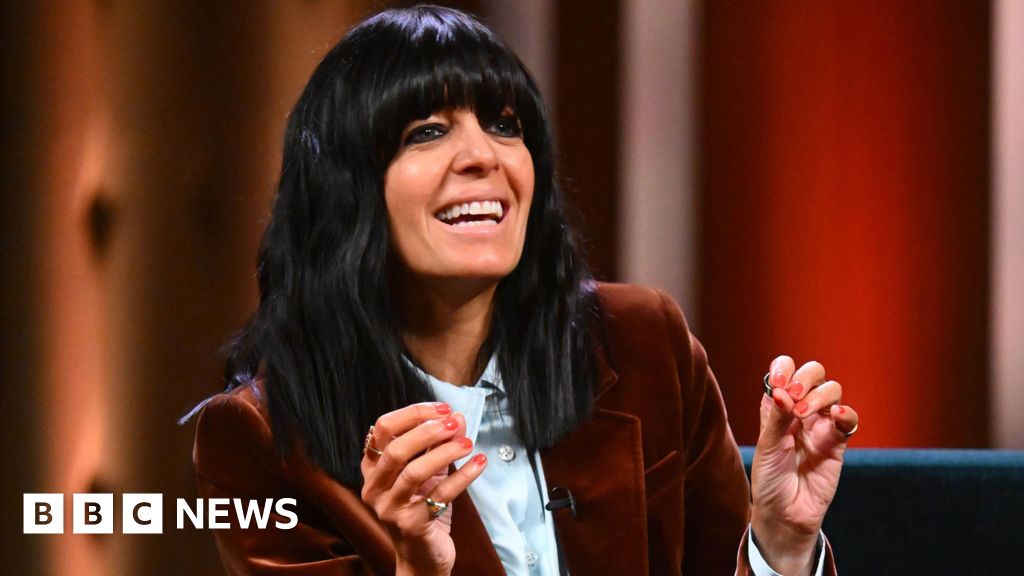
- Core Development: Television presenter Claudia Winkleman has stepped down from her eponymous chat show after completing just a single series due to personal anxiety.
- Beat Context: Categorized under Culture with independent corroboration.
- Reporting Depth: 3 minute analytical read synthesized from verified newsroom sources.
Television presenter Claudia Winkleman has stepped down from her eponymous chat show after completing just a single series. According to reporting published by BBC News and Aol, the decision was driven by personal anxiety. The host revealed that she was simply too nervous to enjoy the experience.
The sudden conclusion of the programme caught many industry observers off guard. While critics offered mixed reviews and viewing figures lagged behind established heavyweights, audience numbers remained respectable. The BBC confirmed that the choice to end the broadcast originated with the presenter. Broadcasters had anticipated a longer run, with industry reporters indicating that prior arrangements had pointed toward a multi-series future. Instead, the project concluded swiftly after a seven-week run that featured memorable encounters, such as an appearance by Hollywood actress Lisa Kudrow meeting a breakout reality television personality.
Hosting a major studio talk show places intense, singular demands on a presenter. Industry experts point out that managing multiple celebrity guests requires exceptional technical skill. Interviewers must balance conversational pacing, ensure fair airtime distribution, and weave in promotional messages alongside heavily rehearsed anecdotes. Anita Singh, arts and entertainment editor for the Telegraph, noted to reporters that while the host is widely regarded as intelligent and humorous, managing a conventional studio format leaves very little room for spontaneous interaction.
Former BBC One controller Peter Fincham drew comparisons to previous short-lived celebrity chat formats from earlier decades. Speaking to BBC News, Fincham emphasized that programmes bearing a host's personal name in the title create an intensely exposing environment. He praised the decision to walk away rather than force longevity, describing the move as an uncommon display of professional self-awareness.
The rapid folding of the programme also casts a shadow over future weekend scheduling. For years, industry watchers viewed the presenter as the natural successor to chat show emperor Graham Norton. Production company So Television, which Norton co-owns, handled the production duties for the short-lived series. Analysts suggest the project served as a logical testing ground for a future transition in weekend entertainment.
Yet succession planning in television remains fraught with complications. Norton signed a renewal agreement with the BBC, and while he has stepped back from certain broadcasting commitments in recent years, he continues to work across multiple creative projects. Furthermore, media analysts debate whether modern audiences actively demand traditional studio talk formats. Celebrities now promote upcoming projects across a vast ecosystem of digital platforms, ranging from viral YouTube formats and internet challenge channels to specialized interview series and digital streaming clips.
Commentators have pointed out that modern celebrity culture relies heavily on digital streaming clips, viral YouTube strands, and social media junkets rather than legacy studio furniture. Viewers seeking unscripted conversation often turn to podcasts or alternative digital interview formats, leaving traditional studio talk formats facing stiff competition for attention.
Despite the challenges facing the genre, television analysts maintain that appointment-to-view weekend broadcasting retains unique value in the modern attention economy. Programmes on major networks continue to generate significant online clips and viral moments that engage audiences beyond traditional broadcast windows.
Recent Developments in Weekend Television
- The presenter concluded her chat show run after a single series, citing personal nerves.
- Industry reports indicated that initial discussions had anticipated a commitment beyond one season.
- Broadcasters face ongoing questions regarding weekend entertainment succession planning.
As the BBC's incoming entertainment leadership evaluates future programming strategies, the abrupt end of the project highlights the distinct pressures of studio-based broadcasting. Whether network executives will attempt another alternative chat format to balance upcoming weekend schedules remains to be determined.
How significant is this development?
Contribute your assessment to the aggregated reader sentiment ledger.
Frequently Asked Questions
Key questions answered in this reportWhat is the key development in: Claudia Winkleman quits chat show after one series due to nerves?
Television presenter Claudia Winkleman has stepped down from her eponymous chat show after completing just a single series due to personal anxiety.
Why is this Culture development significant for the UK?
This report covers critical events in our Culture beat. Independent reporting monitors related UK statements, regulatory shifts, and public responses as further verified details emerge.
How was this reporting corroborated and verified?
Newsarchy UK compiles and cross-references reporting from primary reporting from bbc.com and cross-checked wire reports. All coverage adheres to published editorial standards.
When was this report published?
This briefing was published on July 25, 2026 and is permanently cataloged in the Newsarchy UK Culture archives.
1720848500-0/Eminem-and-his-daugher-Hallie-(1)1720848500-0-640x480.webp)