Lisa Nandy warns UK industry to get house in order over sexual abuse
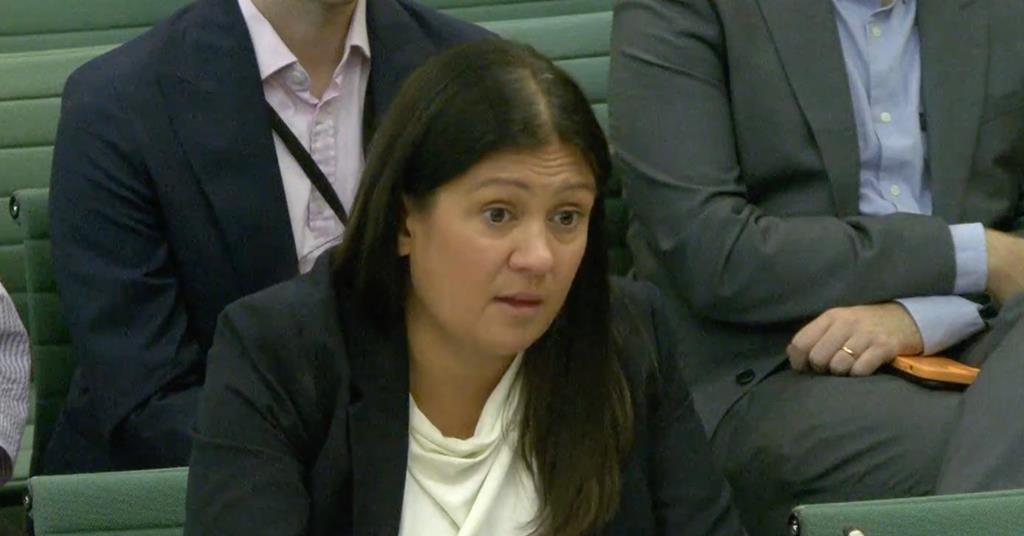
Culture Secretary Lisa Nandy has warned UK media, arts, and sports organisations to overhaul their safeguarding practices or face government intervention following recent high-profile abuse scandals.

UK Culture Secretary Lisa Nandy has issued a stern ultimatum to media, entertainment, arts, and sports organisations, demanding that the creative sector overhaul its safeguarding practices or face direct government intervention.
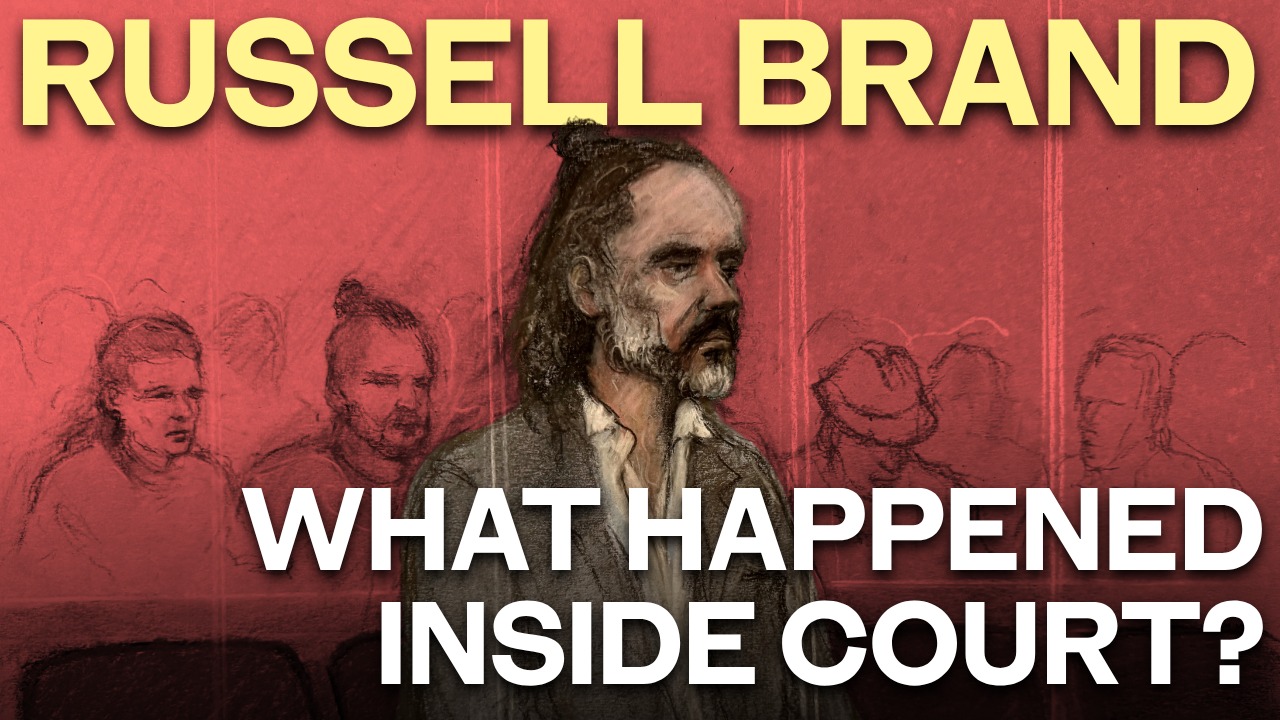
The warning arrives in the wake of significant legal and investigative developments across the culture coverage sector. Comedian Russell Brand was convicted at Southwark Crown Court of one count of rape and three sexual assaults, resulting in a prison sentence. Meanwhile, writer and television personality David Walliams faced public allegations of sexual misconduct, grooming, and abusing his position following a joint three-year investigation published by the Guardian and ITV News. Walliams denies all wrongdoing and stated through his representatives that he is not a sexual predator and has not broken the law, following the dismissal of his legal bid to block publication by the High Court.
Media additions


In response to these scandals, Nandy convened a roundtable meeting in London on Monday, bringing together senior executives from organisations including the BBC, ITV, NBCUniversal, Netflix, Amazon, Channel 4, Skydance, Sony, Sky, Bafta, HarperCollins, and the Football Association. According to the IBC report on Lisa Nandy's industry challenge, Nandy pressed leaders on how they foster cultures where bullying, harassment, and abuse are routinely challenged, how they empower and support whistleblowers, and how company safeguarding systems apply to freelance workers.
Writing in The Times, Nandy stated that men in public life frequently act as prolific abusers in plain sight due to massive power imbalances, flexible contracts, and careers built on reputation and contacts. As reported by C21media's coverage of Lisa Nandy's warning, the Culture Secretary warned that if the industry's response to recent allegations is not robust enough, the government is prepared to mandate action — potentially by forcing participation in the Creative Industries Independent Standards Authority (CIISA). Currently, joining CIISA is voluntary, a framework criticized by campaigners who argue that perpetrators can simply choose to avoid scrutiny.
Can't Buy My Silence founder Zelda Perkins, who famously broke a non-disclosure agreement after speaking out against Harvey Weinstein, told BBC Newsnight reporting on Walliams allegations that there are insufficient safeguards around high-profile individuals and that joining CIISA should be mandatory. Perkins noted that no other regulatory bodies are voluntary and that individuals who require monitoring are precisely those who decline to join. Philippa Childs, outgoing head of the broadcasting union Bectu, echoed these sentiments during the summit, noting that while major broadcasters have stepped forward to support CIISA, a system reliant purely on voluntary contributions will never be strong enough to address systemic abuse.
Simultaneously, nearly 400 British creatives — including actors Natalie Dormer, Richard Armitage, Susan Wokoma, Les Dennis, and Jo Joyner, signed an open letter organised by writer Ben Fletcher and actor Alexa Morden. As highlighted by Daily Voice Of Asia's reporting on the creatives' letter, the signatories called for an immediate end to an "open secrets" culture in the entertainment industry, urging organizations and unions to review processes and acknowledge the roles they played in enabling abusive behavior rather than issuing vague public relations statements.
Ministers have also targeted the misuse of non-disclosure agreements. Women and equalities minister Bridget Phillipson told Sky News that there is scope to go further on legislation restricting NDAs to ensure the legal system is not abused to silence women. Bectu's Philippa Childs similarly urged the government to ensure freelancers are covered by bans on NDAs so that the precarious nature of creative sector employment cannot be exploited to silence victims and witnesses.
The broader landscape of leadership and institutional responses is outlined below:
| Entity / Individual | Role / Position | Stance and Action Taken |
|---|---|---|
| Lisa Nandy | UK Culture Secretary | Convened industry leaders, demanded self-regulation, and threatened mandatory enforcement via CIISA. |
| Philippa Childs | Outgoing Head, Bectu | Attended the DCMS roundtable, stated broadcasters acknowledge they must do better, and called for mandatory CIISA funding. |
| Jen Smith | CEO, CIISA | Urged more organisations to support the independent body, highlighting its ability to track patterns of abuse across the sector. |
| Zelda Perkins | Founder, Can't Buy My Silence | Argued against voluntary oversight, stating that high-profile figures who require monitoring will simply avoid joining voluntary bodies. |
Following the DCMS summit, participants pledged to step up safeguarding efforts and report back to the Culture Secretary. As reported by Yahoo News UK's coverage of the BBC response, major media executives acknowledged they must do better to tackle sexual abuse in the media industry. Further developments and government announcements regarding mandatory safeguarding measures and restrictions on non-disclosure agreements are expected in the coming weeks.