Drug deaths in Scotland reach new record level
Scotland continues to record Europe's highest drug death rate, driven by polydrug use and deep regional deprivation as officials debate reforms.

Scotland’s drug deaths remain the worst in Europe, maintaining a fatality rate that far exceeds that of any other European nation and sitting at more than three-and-a-half times the rate recorded in England and Wales under the same overarching national legislation, according to reporting from the BBC and The Independent. Over successive decades, the upward trajectory of fatalities accelerated, culminating in a historic peak of 1,339 deaths in a single year as reported by the BBC. While annual figures have subsequently fluctuated — including an 11% increase noted by The Herald and a 12% rise reported by The Independent — the broader crisis continues to devastate communities across the country.
Public health experts point to a dangerous shift toward polydrug use, where traditional opiates such as heroin and methadone are combined with alcohol, prescription pills, and illicit substances. Counterfeit street benzodiazepines, often referred to as fake Valium or etizolam, surged over the decade, alongside record fatalities involving cocaine and the alarming intrusion of potent synthetic opioids like nitazenes, as well as sedatives such as xylazine and medetomidine documented by The Herald. Research led by Dr Andrew McAuley of Glasgow Caledonian University and published by the BBC demonstrated that mortality rates increased across all age groups, dismissing the theory that the crisis was solely driven by an aging cohort of users.
Media additions
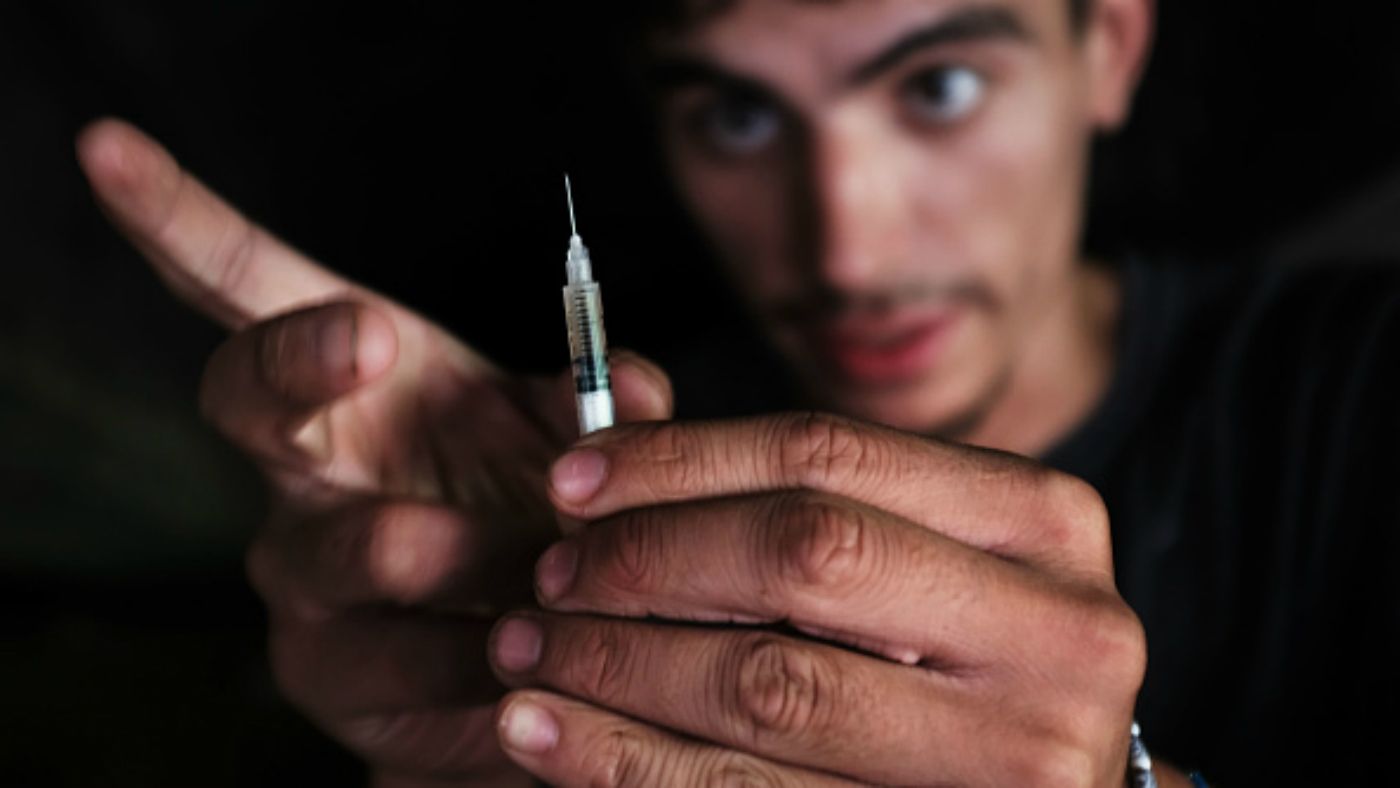

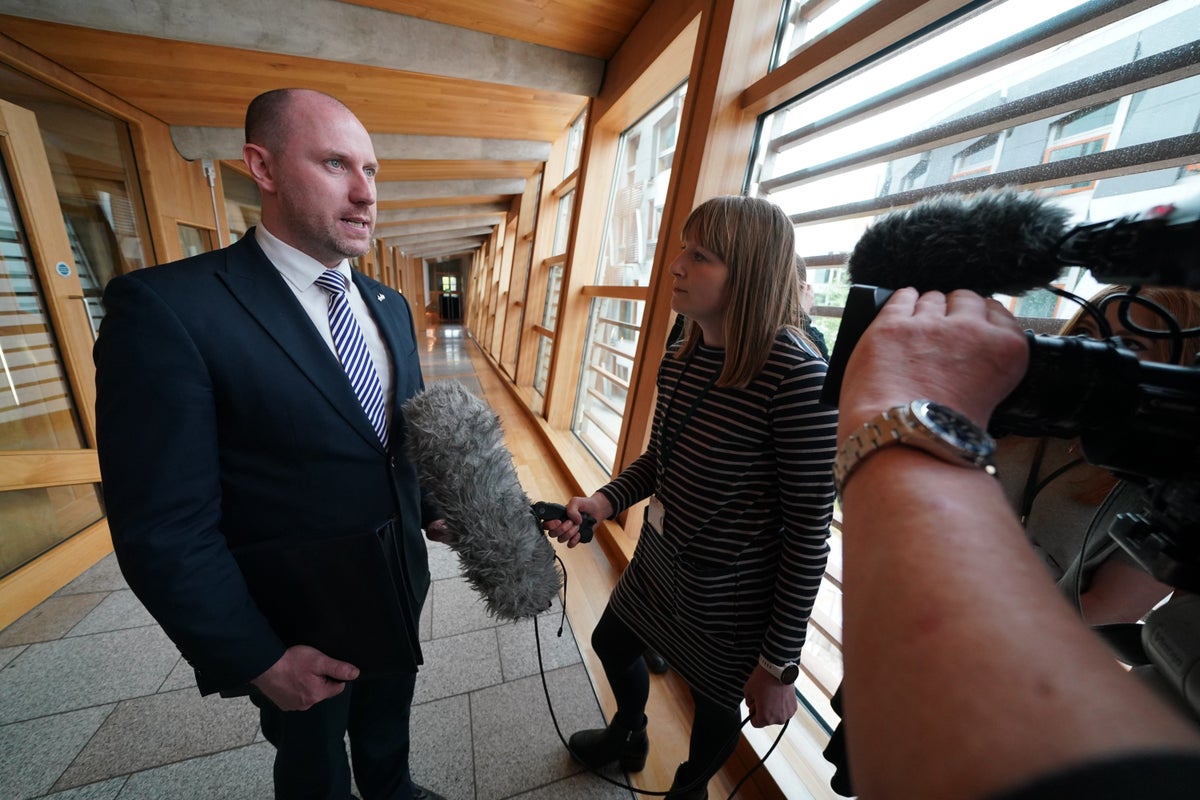
The geography of the crisis is deeply tied to regional deprivation. Data compiled across multiple sources highlights that individuals residing in the most deprived areas are between 15 and 18 times more likely to suffer a drug-related death than those in the least deprived regions, according to the BBC, The Week, and The Herald. Health boards including Greater Glasgow and Clyde, Dundee City, and Ayrshire and Arran have consistently recorded the highest regional death rates. Commentators from The Week note that this entrenched vulnerability is rooted in the harsh deindustrialisation of the 1980s, which left industrial communities and urban housing schemes facing mass unemployment and long-term poverty.
| Metric / Feature | Reported Findings | Source Context |
|---|---|---|
| Peak Annual Deaths | 1,339 deaths recorded in a single peak year | BBC |
| Deprivation Gap | Residents in most deprived areas are 15 to 18 times more likely to die | BBC, The Week, The Herald |
| Polydrug Involvement | Over 90% of fatalities involved more than one substance | BBC |
| Synthetic Opioids | Nitazenes implicated in over 20% of deaths in later periods | The Herald |
Political friction has intensified around the official response, with opposition figures targeting the Scottish Government over historical funding cuts to addiction services and residential rehabilitation beds. Conservative leader Douglas Ross and Labour spokespeople have sharply criticised the administration, with Mr Ross pressing for a Right to Recovery Bill to legally guarantee access to treatment. According to the BBC, former First Minister Nicola Sturgeon previously acknowledged that the escalating death toll was a national disgrace, leading to ministerial changes that saw Joe Fitzpatrick replaced by Angela Constance as drugs minister, followed by subsequent appointments including Maree Todd and Neil Gray.
In defence of the administration’s strategy, ministers pointed to a £250 million national mission aimed at expanding the distribution of the overdose reversal drug naloxone among emergency crews, funding grassroots projects, and driving the rollout of medication-assisted treatment (MAT) standards, as reported by the BBC and The Independent. Officials have also pursued harm-reduction measures, including piloting safer drug consumption facilities and exploring drug-checking facilities, while continuing to lobby Westminster for overhauls to the 1971 Misuse of Drugs Act.
Further policy rollouts, parliamentary debates on drug law reform, and quarterly suspected drug death tracking data published by Public Health Scotland will determine whether these ongoing interventions can reverse the tragic toll on Scottish families.