Shareholder sues Nvidia and Huang over alleged deception on spy affair
A California shareholder filed a class-action lawsuit against Nvidia and CEO Jensen Huang, accusing the company of deceiving investors regarding national security implications and ties to a suspected Chinese intelligence operative.

A California shareholder filed a class-action lawsuit against Nvidia and its chief executive following revelations of the chief executive's personal relationship with a woman suspected of being a Chinese intelligence operative, plunging the chip giant into legal and geopolitical turmoil.
The proposed class-action complaint, filed in a California court by retail investor Mark Kistenmacher according to reporting from the Associated Press via Pbs, accuses the company and Jensen Huang of deceiving investors regarding the national security implications of the affair and the firm's commercial ties to Singapore-based data-center operator Megaspeed. The lawsuit seeks unspecified damages and a jury trial on behalf of investors who purchased shares between October when media reports first placed the pair socializing and November when the company announced an internal review, as noted in BBC coverage.
Media additions
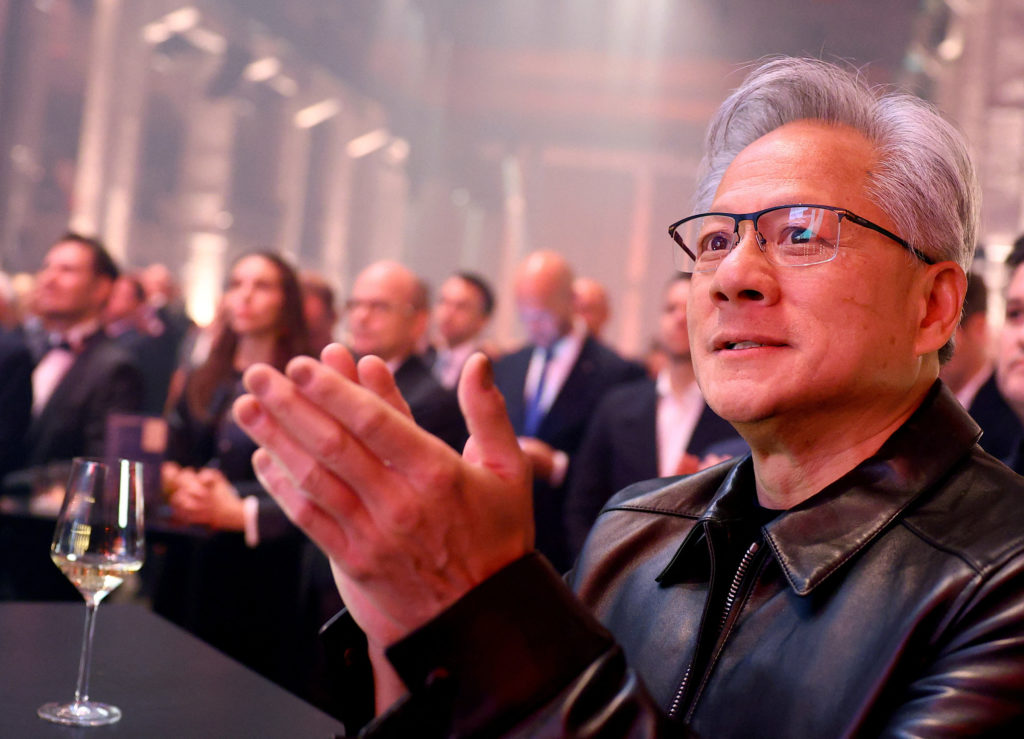


Market reaction to the unfolding scandal was swift and severe. Nvidia shares tumbled over four percent, erasing billions in market value. According to PBS, the stock dropped $7.97 per share, wiping out approximately $190 billion in market value, while the BBC estimated the loss at roughly $250 billion (£190 billion).
The controversy stems from investigative reporting detailing Jensen Huang's relationship with Alice Huang, a former executive at Megaspeed International who U.S. Intelligence officials allege acted as an asset for China's Ministry of State Security. The pair, who are not related, were photographed and observed together in Taiwan during industry events, including a dinner at a Taipei restaurant during the Computex technology exhibition, according to accounts published by The Indian Express.
Following the public disclosure of the relationship, Jensen Huang issued a public apology acknowledging infidelity and expressing remorse to his family, employees, and shareholders. He pledged full cooperation with an independent investigation launched by Nvidia's board of directors, which stated it had no immediate evidence that company secrets or national security had been compromised. President Donald Trump addressed the matter publicly, stating that the FBI is looking into the affair but noting that Huang told him he had no knowledge of any espionage involvement.
| Metric / Event | Reported Figure or Status | Source Attribution |
|---|---|---|
| Market Value Loss | $190 billion to $250 billion (£190 billion) | PBS / BBC |
| Class Action Filing Date | Monday | PBS |
| Board Response | Independent investigation initiated; no secrets compromised | BBC |
Washington lawmakers have escalated their scrutiny over the affair's implications for critical technology supply chains. Three House committee chairmen formally requested that Jensen Huang appear for a closed-door briefing to address security protocols against foreign intelligence infiltration, as reported by Yahoo News. Meanwhile, Beijing's Foreign Ministry dismissed the espionage accusations as groundless speculation intended to malign China.
Investigators and congressional committees have yet to publish final determinations regarding whether proprietary technology was transferred or if export restrictions were breached. The independent board review and upcoming legislative hearings will dictate the immediate trajectory of the inquiry.
The civil litigation centers heavily on commercial disclosures involving Megaspeed. According to court documents cited by Associated Press reporting through PBS, plaintiffs argue that statements made by Nvidia regarding its compliance checks on Megaspeed were materially misleading because Jensen Huang was simultaneously involved in a personal relationship with a corporate executive tied to intelligence investigations. The New York Times initially brought the relationship and the broader multi-agency inquiries into public view.
Additional reports from outlets including CNBC highlight that Megaspeed purchased billions of dollars in processing equipment from Nvidia. The relationship between the chipmaker and the Singapore-based operator became a focal point for federal investigators examining whether advanced semiconductors reached restricted markets through third-party intermediaries. While Nvidia maintained that internal compliance teams found no wrongdoing by Megaspeed at the time of initial inquiries, the intersection of corporate sales channels and personal associations has intensified regulatory pressure from both the U.S. Department of Justice and Capitol Hill.
Congressional leaders have maintained bipartisan pressure following the public admissions. Lawmakers across multiple committees have pressed for transparency regarding export controls and corporate oversight. As reported by CNBC, congressional inquiries target not only the specifics of the personal relationship but also the broader framework governing advanced hardware shipments to overseas regions.
Industry analysts quoted by CNBC noted that the developments challenge the corporate positioning surrounding the chief executive, who has historically served as a central figure in shaping technology policy discussions. Observers pointed out that upcoming congressional sessions and the conclusions of the independent board review will determine whether the fallout results in permanent regulatory shifts or altered export licensing procedures.
As the legal proceedings advance in California courts, shareholders await further developments from the independent board committee. The inquiry continues to evolve alongside parallel federal reviews, with market participants monitoring both judicial rulings and legislative schedules for definitive findings regarding the security of Nvidia's supply chain and governance practices.